
Main Courses
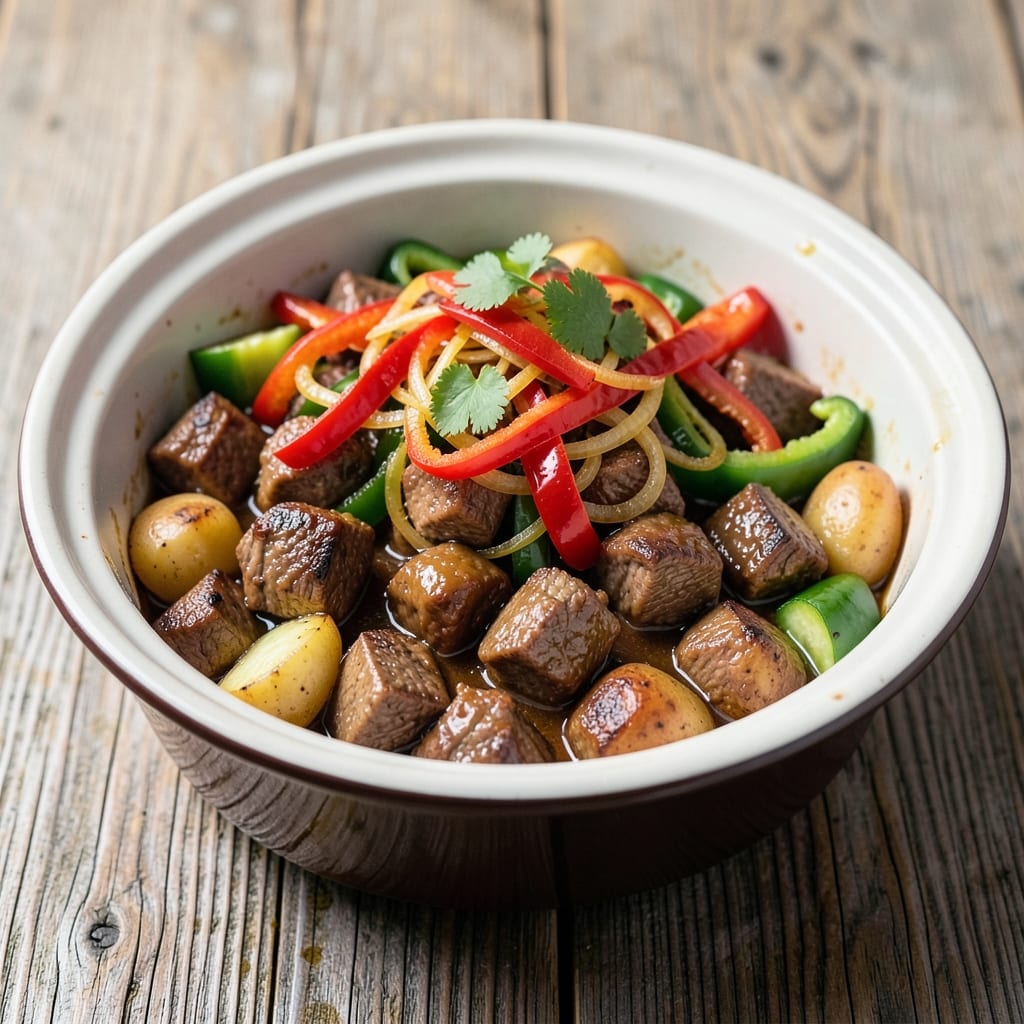
This beef afritada recipe in slow cooker transforms the classic Filipino dish into a hands-off, flavor-packed meal that simmers to perfection while you focus on other tasks. The slow cooker preserves the dish's rich tomato base and tender beef, while potatoes soak up the savory sauce—creating a hearty, comforting meal that's both traditional and convenient. I've refined this method to ensure the beef stays fork-tender and the sauce remains vibrant, with just the right balance of sweetness and acidity from tomatoes and vinegar.
The beauty of slow-cooking afritada lies in its simplicity: minimal prep, no risk of burning, and a dish that only gets better as it simmers. You'll start with a quick sear of the beef for depth of flavor, then let the slow cooker work its magic for 3-4 hours on low, allowing the ingredients to meld into a cohesive, restaurant-quality meal. The potatoes absorb the sauce beautifully, while the tomatoes and bell peppers add a touch of sweetness that rounds out the dish.
What you'll end up with is a tender, saucy beef dish that's perfect for feeding a family or meal prepping for the week. The slow cooker ensures the beef remains juicy, the potatoes are perfectly soft, and the sauce is thick and flavorful—no need for constant stirring or monitoring. This recipe stays true to Filipino roots while adapting to modern, busy lifestyles, delivering a comforting meal with minimal effort.
Serve it over steamed rice or with garlic fried rice to soak up every last bit of that delicious sauce. The leftovers reheat beautifully, making this an ideal dish for those who want to enjoy homemade, flavorful meals without spending hours in the kitchen. Let's get started on this foolproof slow-cooker afritada that's sure to become a family favorite.
Ingredients for beef afritada recipe in slow cooker
Pantry staples plus a few Filipino market finds for this slow-cooker beef afritada.
| Ingredient | Amount | Notes |
|---|---|---|
| Beef Chuck Roast 🥩 | 2 lb | Cut into 1.5-inch cubes |
| Yellow Onion 🧅 | 1 whole | Sliced into half-moons |
| Green Bell Pepper 🌶️ | 1 whole | Sliced into strips |
| Red Bell Pepper 🌶️ | 1 whole | Sliced into strips |
| Russet Potatoes 🥔 | 2 lb | Cut into 2-inch chunks |
| Canned Diced Tomatoes 🍅 | 29 oz | San Marzano preferred |
| Tomato Paste 🍅 | 2 tbsp | For thickening sauce |
| White Vinegar 💧 | ¼ cup | For acidity balance |
| Garlic Cloves 🧄 | 6 cloves | Minced for aroma |
| Olive Oil 🫒 | 2 tbsp | For searing beef |
| Salt 🧂 | 1 ½ tsp | Diamond Crystal preferred |
| Black Pepper 🌶️ | 1 tsp | Freshly ground |
| Bay Leaves 🌿 | 2 whole | For depth of flavor |
| Sugar 🍚 | 1 tbsp | Balances acidity |
| All-Purpose Flour 🌾 | 2 tbsp | For thickening sauce |
The beef is where this dish shines—chuck roast stays tender and absorbs all that rich tomato sauce. Grab it from the butcher counter if possible; Costco or Walmart usually have good prices for bulk cuts. Look for good marbling, not too lean. The potatoes? Russets are ideal—they hold up better to slow cooking than waxy varieties. Bell peppers can be any color, but green and red together give that classic afritada look. For the tomatoes, San Marzano cans make a noticeable difference in flavor, but any good-quality diced tomatoes work in a pinch.
No San Marzano tomatoes? Crushed tomatoes with a pinch of sugar get you close. Running low on vinegar? White wine or apple cider vinegar works just as well. The tomato paste can be swapped for 1 extra can of diced tomatoes if you're in a hurry. Fresh garlic is best, but garlic powder at half the amount works if you're short on time. The flour is just for thickening—if you're avoiding gluten, cornstarch works perfectly. For extra richness, add a splash of coconut milk at the end.
This reheats like a dream—3-4 hours on low means it only gets better the next day. Store leftovers in the fridge for 4-5 days or freeze portions for 3 months. I like to portion it into containers with rice so lunches are ready to grab. The sauce thickens as it cools, so add a splash of water or broth if it gets too stiff when reheating. Double the recipe if you're feeding a crowd—it's that good.
Why You'll Love This Recipe
- Ditch the Chopping Board: Between us, I’ve burned my fingers more times than I’d like admitting trying to dice bell peppers quickly. This recipe lets me toss them in rough chunks—no knife skills required. The slow cooker does the work while I sip coffee and pretend I’m not that busy.
- Tender, Caramelized Magic: That beef chuck roast? It melts into your fork like it’s been slow-dancing for hours. The onions and peppers soften just enough to soak up the sauce, while the potatoes turn fluffy on the outside, creamy inside—like a hug in a bowl.
- Leftovers That Don’t Lie: Honestly, I make this on Sundays just to have it for the week. The flavors deepen overnight, and reheating it is chef’s kiss—no sad, dry meat here. Pack it for lunches or freeze portions; it’s the kind of dish that makes you look organized (even if you’re not).
- Budget-Friendly Crowd-Pleaser: A single chuck roast feeds six, and the veggies stretch further than takeout. I’ll be real: my roommates fight over seconds, and I’ve never once heard someone say, “Ugh, what is this?” It’s the dish that makes frugal nights feel fancy.
Step-by-step instructions for slow-cooked beef afritada
Here's how to create a rich, flavorful beef stew that combines tender meat, hearty potatoes, and vibrant peppers in your slow cooker.
Sear the Beef for Maximum Flavor
Heat a large skillet over medium-high heat and add the 2 tablespoons olive oil. Once hot, add the 2 lb beef chuck roast cut into 1.5-inch cubes, working in batches if needed. Sear each side for 2-3 minutes until deeply browned—this creates the foundation for your stew's rich flavor. You'll know it's ready when you see a golden crust forming.
As you sear, remove the beef and set it aside. This step is crucial because browning develops the Maillard reaction, which gives your dish that deep, savory taste. Don't skip it—it makes all the difference in the final result.
Sauté the Vegetables and Build the Sauce Base
In the same skillet (no need to clean it—the browned bits add flavor), add the 1 whole yellow onion sliced into half-moons, 1 whole green bell pepper and 1 whole red bell pepper sliced into strips. Cook for 5-6 minutes until softened and slightly caramelized. Add the 6 cloves minced garlic and cook for another 30 seconds until fragrant.
Stir in the 2 tablespoons tomato paste and cook for 1 minute, stirring constantly. This helps thicken the sauce and deepen the tomato flavor. Pour in the 29 oz canned diced tomatoes and 0.25 cup white vinegar, scraping up any browned bits from the bottom of the pan. Transfer everything to your slow cooker.
Combine All Ingredients and Season
Add the seared beef to the slow cooker along with the 2 lb russet potatoes cut into 2-inch chunks, 1.5 teaspoons salt, 1 teaspoon black pepper, 2 whole bay leaves, and 1 tablespoon sugar. The sugar helps balance the acidity from the vinegar and tomatoes. Stir gently to combine all ingredients.
Here's the thing—don't overmix. You want the potatoes and beef to absorb all those delicious flavors on their own. Sprinkle the 2 tablespoons all-purpose flour over the top and give it one final gentle stir to distribute evenly.
Slow Cook to Tender Perfection
Cover the slow cooker and cook on LOW for 8 hours or HIGH for 5-6 hours. The low-and-slow method is key here—it allows all the flavors to meld together while keeping the beef and potatoes incredibly tender. You'll know it's done when a fork easily pierces the beef and potatoes, and the sauce has thickened to a rich consistency.
I like to check it after 4 hours on low to make sure everything's cooking evenly. If the sauce looks too thin, you can uncover it for the last 30 minutes to help it reduce slightly. The potatoes should be fork-tender, and the beef should pull apart easily.
Adjust Seasoning and Serve
Remove the 2 whole bay leaves before serving. Taste the stew and adjust seasoning if needed—you might need a little more salt or a splash of vinegar to balance the flavors. The sauce should coat the back of a spoon with a velvety texture, and each bite should deliver tender beef, hearty potatoes, and a perfect balance of sweet and tangy tomato flavors.
Serve immediately with crusty bread or over steamed rice to soak up all that delicious sauce. This dish tastes even better the next day as the flavors continue to develop, so it's perfect for meal prep too. Enjoy your homemade beef afritada—it's comfort food at its finest!
Pro Tips For Making Beef Afritada Recipe In Slow Cooker
- SEAR THE BEEF FIRST: I learned this the hard way—skipping the sear means flavorless beef. Brown the chuck roast in a hot pan with oil before dumping it in the slow cooker. The crust locks in juices and adds depth that no slow-cooking alone can match.
- CHOP POTATOES UNIFORM: Uneven potatoes mean some mushy, some rock-hard. Cut them into 1.5-inch chunks so they cook at the same rate. If you’re lazy, a food processor’s pulse function saves time—but don’t skip this step entirely.
- ADD POTATOES LATE: Potatoes release starch early and turn the sauce gluey. Hold off until the last 45 minutes of cooking. They’ll soak up flavor without turning the afritada into a thick, pasty mess.
- USE TOMATO PASTE, NOT SAUCE: Tomato sauce thins out; paste thickens. Stir in 2 tablespoons of tomato paste with the onions and peppers at the start. It’ll give the dish a richer, more concentrated flavor without extra watering down.
Common mistakes when making great beef afritada recipe in slow cooker
Skipping the Sear
This is the biggest mistake I see with slow-cooker afritada—the temptation to skip searing the beef. Without that initial browning, your dish will lack depth of flavor. The Maillard reaction creates complex, savory notes that transform a simple stew into something extraordinary. I always take 5 extra minutes to sear the beef in batches. If you're short on time, use a cast-iron skillet or even a heavy-bottomed pot—just don't skip this step. 🔥
Overloading the Pot
Stuffing your slow cooker to the brim is a recipe for disaster. The ingredients need room to breathe and the heat to circulate properly. I fill mine only 2/3 full—this ensures the beef and potatoes cook evenly without steaming in their own juices. If your slow cooker looks crowded, cook it on HIGH for 1-2 hours first to reduce the liquid slightly before switching to LOW. Overloading also makes stirring difficult, which can lead to uneven cooking.
Ignoring the Vinegar
The white vinegar in this recipe isn't just for acidity—it's essential for balancing the sweetness of the tomatoes and potatoes. Skipping it or using too little results in a flat, one-dimensional flavor. I measure ¼ cup precisely and add it with the tomatoes. If you're sensitive to strong vinegar flavors, start with 2 tablespoons and adjust to taste at the end. The vinegar also helps tenderize the beef slightly during the long cook.
Not Checking for Doneness
Many people assume that 8 hours on LOW is always perfect, but beef and potatoes can vary in cooking time based on cut and size. I check after 4 hours by piercing a potato with a fork—it should slide in easily. The beef should pull apart with minimal resistance. If it's not quite there, cook another 1-2 hours. Undercooked beef is tough, and overcooked beef turns stringy. A meat thermometer helps here—aim for 203°F for fork-tender results.
Using the Wrong Potatoes
Waxy potatoes like red or Yukon Gold will turn to mush in the slow cooker, while starchy varieties like russets hold their shape beautifully. I always use 2 lbs russet potatoes cut into 2-inch chunks—they absorb the sauce perfectly without falling apart. If you only have waxy potatoes, parboil them for 5 minutes first to firm them up before adding to the slow cooker. The texture difference is night and day.
Forgetting to Stir
While slow cookers do most of the work, giving everything a gentle stir halfway through ensures even cooking and prevents the potatoes from sitting at the bottom. I use a wooden spoon to lift the beef and potatoes from the bottom, letting the hot sauce circulate around them. This simple step prevents cold spots and helps the flour thicken the sauce more evenly. Just don't overmix—you want the ingredients to develop their own flavors, not get mashed together. ✨
Nutrition facts
Frequently asked questions
Can I use ground beef instead of chuck roast for this slow-cooker afritada?
Ground beef works but won't give the same tender texture. For the best results, stick with chuck roast cut into 1.5-inch cubes—it stays juicy and absorbs flavors beautifully. If you must use ground beef, brown it thoroughly first and reduce the cooking time to 3-4 hours on low since it cooks faster. The sauce will still be delicious, but the texture will be more like a thick stew.
What if my slow cooker doesn't have a LOW setting?
No problem! Cook on HIGH for 5-6 hours instead. The key is ensuring the beef reaches 203°F for perfect tenderness. Check after 4 hours—if the potatoes are still firm, cook another 1-2 hours. Just be sure to stir gently halfway to distribute heat evenly. The flavors will still develop beautifully, just on a slightly faster timeline.
How do I make this dish spicier?
Add 1-2 teaspoons of chili flakes or ½ teaspoon cayenne pepper when you combine all ingredients in the slow cooker. For heat with depth, include 1 diced jalapeño with the bell peppers during the sauté step. If you love spicy food, taste the sauce before serving and adjust—you can always add more! The vinegar already balances heat, so no need to reduce it.
Can I prepare this afritada ahead of time?
This dish tastes even better the next day as flavors meld. Store leftovers in the fridge for 4-5 days or freeze portions for 3 months. Reheat covered on LOW for 2-3 hours or until steaming hot. The sauce may thicken slightly when cold—add a splash of water or beef broth when reheating if needed. It reheats beautifully and makes great meal prep for busy weeks.
What's the best way to serve slow-cooker afritada?
Serve it over steamed jasmine or long-grain rice to soak up all that rich sauce. For extra flavor, try garlic fried rice or crusty bread on the side. Garnish with fresh cilantro or a squeeze of lime for brightness. The dish is hearty enough to stand alone, but pairing it with rice makes it a complete meal. Leftovers reheat perfectly for quick lunches all week!