
Soups & Stews
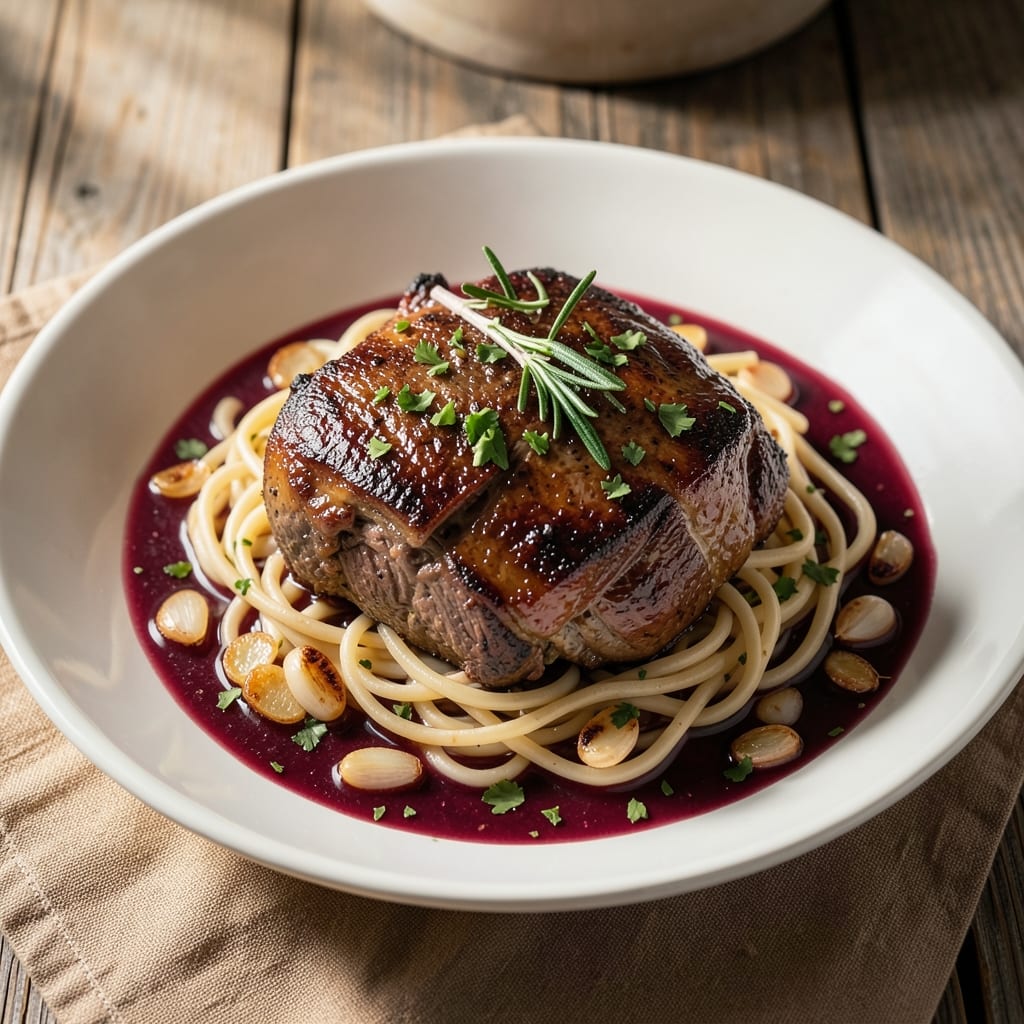
This beef au vin recipe transforms tough beef into melt-in-your-mouth bites with a rich, velvety red wine sauce that tastes like a Parisian bistro. The secret lies in slow braising—searing the beef first locks in juices, while the wine and herbs infuse the sauce with deep, complex flavors over hours. After years of perfecting this classic, I’ve developed a method that delivers restaurant-quality results without fuss.
What sets this recipe apart is the balance of technique and simplicity: you’ll sear the beef in a hot pan, deglaze with red wine to capture every flavorful bit, then simmer until the meat is fork-tender and the sauce thickens to a luxurious consistency. The key is patience—low heat and time work magic, turning simple ingredients into a dish that feels like a celebration. No shortcuts here, but the effort pays off in every bite.
The result is a dish where tender beef floats in a glossy, aromatic sauce—deep red from the wine, brightened with shallots and herbs, and just sweet enough to balance the acidity. Serve it with buttery mashed potatoes or crusty bread to soak up every drop, and you’ll have a meal that feels special enough for company but simple enough for weeknights. This is comfort food at its finest.
Ready to master this classic? The process is straightforward, but the reward—a deeply flavorful, tender beef dish—is worth every minute. Let’s get started on creating a sauce so rich, it’ll have everyone asking for seconds. The patience pays off in the most delicious way possible.
Ingredients for beef au vin
Fourteen ingredients, one unforgettable sauce. The secret starts with chuck roast and bold red wine.
| Ingredient | Amount | Notes |
|---|---|---|
| Chuck Roast 🥩 | 2 ½ lb | Pre-cut into 1.5-inch cubes |
| All-Purpose Flour 🌾 | ½ cup | For dredging beef |
| Dry Red Wine 🍷 | 1 ½ cups | Bold Cabernet or Merlot preferred |
| Beef Broth 💧 | 1 ½ cups | Low-sodium preferred |
| Shallots 🧅 | 3 whole | Minced, about 0.25 cup |
| Garlic Cloves 🧄 | 4 cloves | Minced, about 1 tbsp |
| Fresh Thyme 🌿 | ¼ cup | Leaves only, chopped |
| Fresh Rosemary 🌿 | ¼ cup | Chopped, about 1 tbsp |
| Tomato Paste 🍅 | 2 tbsp | Squeeze tube preferred |
| Brown Sugar 🍯 | 1 tbsp | Lightly packed |
| Olive Oil 🫒 | 2 tbsp | Extra-virgin preferred |
| Salt 🧂 | 1 ½ tsp | Kosher or sea salt |
| Black Pepper 🌶️ | 1 tsp | Freshly ground |
| Balsamic Vinegar 🍶 | 1 tbsp | For acidity balance |
| Unsalted Butter 🧈 | 2 tbsp | For finishing sauce |
The chuck roast is non-negotiable—its marbling ensures tender results. Costco or Whole Foods carry excellent pre-cut cubes, but if buying whole, ask the butcher to trim and cube it. Look for good marbling (white flecks within the meat) for maximum flavor and tenderness. For the wine, Cabernet Sauvignon or Merlot work best—their bold flavors stand up to the long cooking time. If you're using a dry red from the grocery store, check the label for at least 12% alcohol and avoid sweet dessert wines. The beef broth should be low-sodium to control seasoning; Swanson or Pacific Foods are reliable choices. Fresh herbs make all the difference here—buy them the day you cook and store them in damp paper towels in a sealed container.
No red wine? Substitute beef broth with 1 tbsp balsamic vinegar for depth, though the sauce won't have the same complexity. Fresh thyme and rosemary are ideal, but dried works at one-third the amount (so 1 tsp dried thyme for the 0.25 cup fresh). Shallots add sweetness—if you can't find them, substitute 3 tbsp finely chopped yellow onion. The tomato paste can be skipped if you dislike its intensity, but it adds a subtle umami depth. For the brown sugar, honey or maple syrup work in a pinch, though sugar dissolves more predictably. If you're using a squeeze tube of tomato paste, Trader Joe's has the best quality at a reasonable price—it's worth the small splurge for this dish.
This braise tastes even better the next day as flavors meld. Store leftovers in an airtight container in the fridge for up to 5 days, or freeze for 3 months in portion-sized containers. The sauce thickens as it cools, so add a splash of beef broth when reheating. For make-ahead convenience, prep the ingredients the night before—cube the beef, measure the wine and broth, and chop the shallots and herbs. The dish reheats beautifully in a skillet over medium heat, with just enough broth to loosen the sauce. Leftovers make fantastic sandwiches or tacos—just warm through and serve with crusty bread.
Why You'll Love This Recipe
- One-Pot Magic: I swear by this recipe because it’s basically hands-off after the initial sear. Brown the chuck roast, toss in the flour, deglaze with wine—boom, you’re done for the night. The wine reduces into a glossy sauce while you’re scrolling through your phone.
- Wine-Lover’s Dream: That first sip of the red wine reduction? It’s like a little glass of Bordeaux in every bite. The shallots add sweetness, the beef broth deepens the richness, and the flour gives it that silky texture. Honestly, my cheap wine cabinet just got a promotion.
- Leftovers That Shine: This dish actually gets better the next day. The beef stays tender, the sauce thickens into something almost saucy, and it reheats like a dream. I make a double batch on Sundays—lunches and dinners sorted, no takeout in sight.
- Budget-Friendly Luxe: Chuck roast is affordable, red wine is a pantry staple, and you’re not using anything fancy. Yet it tastes like you slaved over it for hours. Between us, this is how I trick people into thinking I’m a fancy chef without breaking the bank.
Step-by-step instructions for beef au vin
Here's the professional method for achieving melt-in-your-mouth beef bites with rich, velvety red wine sauce.
Sear the Beef for Deep Flavor
Heat a large Dutch oven over medium-high heat until very hot. Add the 2 tablespoons olive oil and let it shimmer for 1 minute. Working in batches to avoid crowding, add the 2.5 lb chuck roast cubes and sear for 2-3 minutes per side until deeply browned. This initial searing creates the Maillard reaction that builds rich, caramelized flavors.
Transfer the seared beef to a plate as you work. Don't skip this step—proper searing forms the flavor foundation. If your pan isn't hot enough, the beef will steam instead of brown. You'll know it's ready when the beef releases easily from the pan and has developed a golden crust.
Build the Flavor Base
Return the Dutch oven to medium heat and add the 3 whole minced shallots and 4 cloves minced garlic. Cook for 2 minutes until softened and fragrant. Stir in the 2 tablespoons tomato paste and cook for another 1 minute until it darkens slightly.
This aromatic base forms the flavor backbone of your au vin. The tomato paste adds depth while preventing the wine from being too acidic. Sprinkle in the 1 tablespoon brown sugar and 1 tablespoon balsamic vinegar, stirring to combine. These ingredients balance the acidity and add subtle sweetness that complements the wine.
Deglaze and Develop the Sauce
Pour in the 1.5 cups dry red wine and scrape up all the browned bits from the bottom of the pan using a wooden spoon. This deglazing step captures all the concentrated flavors you've built. Let the wine reduce by half—about 5-7 minutes—until it's syrupy and coats the back of a spoon.
Here's the thing—don't rush this reduction. The alcohol needs time to burn off, leaving behind rich wine flavors. Add the 1.5 cups beef broth and the 0.5 cup all-purpose flour, stirring constantly to prevent lumps. Bring to a gentle simmer and cook for 5 minutes until the sauce begins to thicken.
Braise Until Tender
Return all the beef to the Dutch oven along with any accumulated juices. Add the 0.25 cup chopped fresh thyme, 0.25 cup chopped fresh rosemary, 1.5 teaspoons salt, and 1 teaspoon black pepper. Stir gently to combine, then bring to a simmer.
Cover the Dutch oven and transfer to a preheated 325°F oven. Braise for 2-2.5 hours until the beef is fork-tender with no resistance. The sauce should be rich and glossy, clinging beautifully to the beef. Check for doneness by piercing a beef cube—it should slide off your fork with minimal resistance.
Finish and Serve
Remove the beef from the oven and transfer it to a serving platter. Strain the braising liquid through a fine-mesh sieve into a clean saucepan and skim off any excess fat. Return the sauce to medium heat and stir in the 2 tablespoons unsalted butter until melted and incorporated.
Taste and adjust seasoning if needed, then spoon the finished sauce over the beef. Serve immediately with crusty bread or mashed potatoes to soak up every last drop of that luxurious wine sauce. The beef should be so tender it practically melts in your mouth, with a sauce that's rich, velvety, and bursting with wine flavor.
Pro Tips For Making Beef Au Vin
- SEAR THE ROAST HARD: After browning the chuck roast, don’t rush the second side—let it sit in the pan for 2-3 minutes longer than you think you need. That extra time builds a deeper crust, which locks in flavor and keeps the meat from drying out later. (Yes, even if you’re impatient like me.)
- SWEEP OUT THE BROWN BITS: When deglazing with wine, resist the urge to stir immediately—just pour the wine in and let it bubble for 30 seconds first. Then scrape up those browned bits with a wooden spoon. That’s where half the flavor hides, and skipping it means missing out on the rich, caramelized depth.
- USE COLD BROTH: My grandmother swore by this, and she was right: add cold beef broth instead of hot when making the sauce. The sudden temperature drop stops the cooking process, giving you more time to reduce the wine properly without overcooking the meat. (Your future self will thank you.)
- MINCE THOSE SHALLOTS: Don’t just chop shallots—give them a quick pulse in the food processor or finely mince them with a knife. They’ll dissolve into the sauce more smoothly, creating a velvety texture instead of little crunchy surprises. (And no, they won’t turn to mush if you cook them low and slow.)
Storing and reheating your leftovers
Refrigerator Storage
Let your beef au vin cool completely before transferring to airtight containers—I use glass Pyrex with snap-on lids for maximum freshness. Store in the fridge at 40°F or below for up to 5 days. The flavors actually deepen overnight as the wine and beef meld together. When ready to reheat, add ¼ cup beef broth to loosen the sauce and prevent drying. 💫
Freezer Storage
For longer storage, freeze your beef au vin in portion-sized containers (like quart freezer bags) for up to 3 months. Leave 1-inch headspace to prevent expansion cracks, and squeeze out excess air to avoid freezer burn. Label with dates—trust me, you’ll want to save this for lazy weeknights! Thaw overnight in the fridge before reheating. ❄️
Stovetop Reheating
My preferred method for restaurant-quality results: Place the beef and sauce in a heavy-bottomed pot (like All-Clad) over medium-low heat. Add 2-3 tablespoons beef broth to help the sauce cling to the beef. Simmer uncovered for 10-15 minutes, stirring occasionally, until heated through (165°F internal temp). Taste and adjust seasoning—leftovers often need a pinch more salt. 🔥
Slow Cooker Revival
For hands-off reheating, transfer the beef and sauce to a 6-quart slow cooker on Low for 3-4 hours. The gentle heat keeps the sauce velvety without overcooking the beef. Stir every hour to distribute flavors evenly. This method is perfect for busy days when you don’t want to babysit the stove. 💡
Microwave Shortcut
When time is tight, use the microwave in 1-minute bursts on 50% power. Cover with a microwave-safe lid and stir halfway through. Add 2 tablespoons broth if the sauce looks too thick. This method works best for single servings—just be prepared for a slightly less refined texture. 🚀
Make-Ahead Pro Tip
Prep your beef au vin 2 days ahead—the sauce will only get better! Store components separately (beef in one container, sauce in another) to reheat exactly when needed. This is my go-to strategy for hosting: cook once, serve twice with minimal effort. The secret to success? Butter the sauce before storing—it adds richness that reheating can’t replicate. 💛
Nutrition facts
Frequently asked questions
Can I use any red wine for this recipe?
For the best results, use a bold, dry red wine like Cabernet Sauvignon or Merlot—they hold up well to long cooking and add depth. Avoid sweet dessert wines or cheap table wines, as they can make the sauce taste off. If you're using a wine you enjoy drinking, that's a great starting point!
How do I know when the beef is fully cooked?
The beef is done when it reaches an internal temperature of 203°F and is fork-tender with no resistance. You can also check by piercing a cube—it should slide off your fork easily. If it's still slightly firm, return it to the oven for 15-20 minutes more. Patience here is key for tender results!
What's the best way to thicken the sauce if it's too thin?
If your sauce is too thin, mix 1 tablespoon cornstarch with 1 tablespoon cold water to make a slurry, then stir it into the simmering sauce. Cook for 2-3 minutes until thickened. Avoid over-thickening—you want a glossy, velvety sauce, not gluey. A splash of beef broth can also help balance the texture.
Can I make this recipe in a slow cooker?
Yes! Sear the beef first, then transfer everything to a 6-quart slow cooker on Low for 6-8 hours. The slow cooker method is hands-off but may require adding 1-2 tablespoons cornstarch at the end to thicken the sauce. The beef will be just as tender, but the sauce might need extra attention to avoid wateriness.
What if I don't have fresh thyme or rosemary?
Use dried herbs at one-third the amount (e.g., 1 teaspoon dried thyme instead of 0.25 cup fresh). If you're missing one herb entirely, boost the other or add 1 bay leaf for depth. Fresh herbs are ideal, but dried works in a pinch—just remember they're more concentrated!