
Soups & Stews
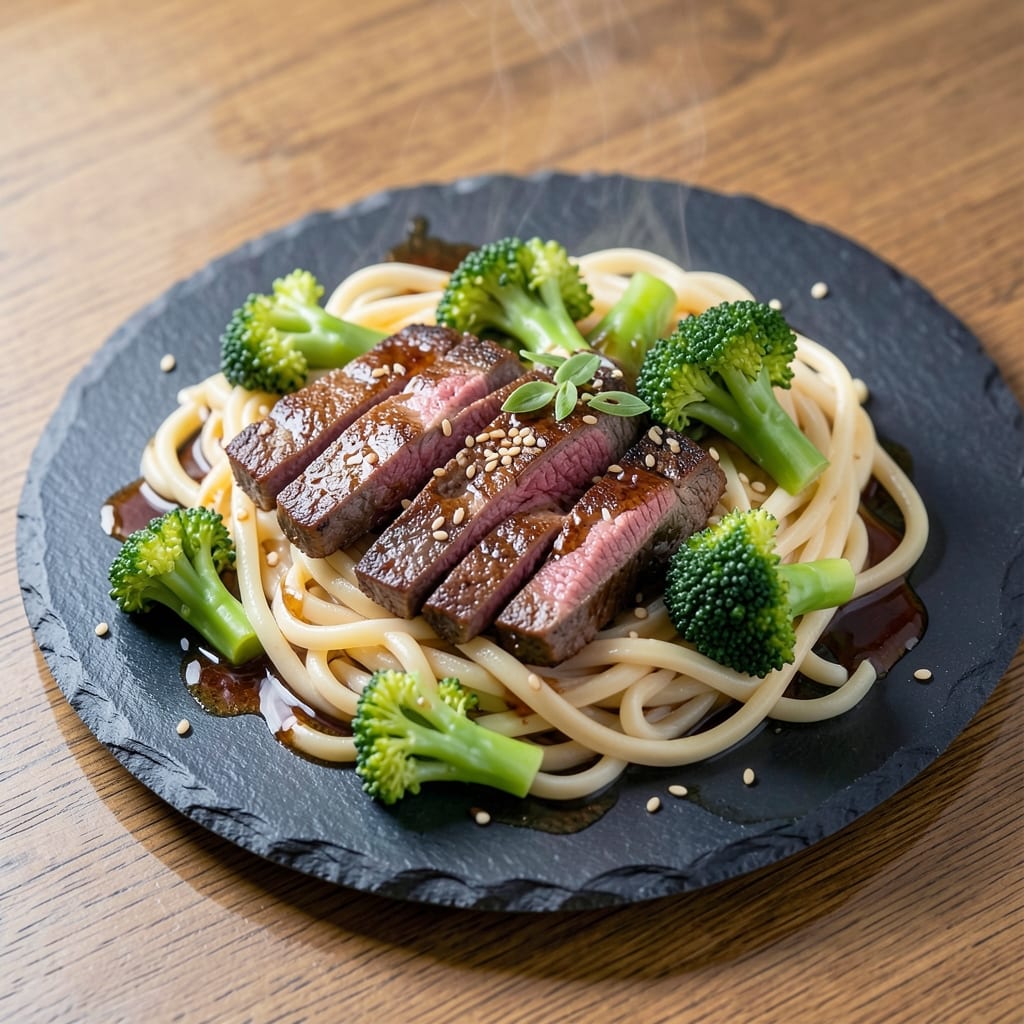
This beef and broccoli udon noodles recipe delivers the perfect balance of wok-hei crispy beef, tender broccoli, and silky udon noodles in every bite. The secret lies in high-heat searing for that signature restaurant-style texture while keeping the noodles perfectly al dente. I developed this version after testing countless methods to achieve that ideal crispy-tender contrast without drying out the beef or turning the noodles mushy.
The process starts with thinly sliced beef that quickly develops a golden-brown crust when cooked at high heat, while the broccoli stays vibrant and slightly crisp. A simple soy-ginger sauce ties everything together, adding depth without overpowering the natural flavors. The udon noodles are cooked separately to maintain their signature chewiness, then tossed with the beef and broccoli for a harmonious blend of textures.
What makes this recipe stand out is how each component comes together—crispy beef that shatters between bites, bright green broccoli florets, and slippery udon strands that hold up perfectly. The sauce coats everything evenly, creating a dish that's both restaurant-quality and simple enough for weeknight dinners. Serve immediately with a sprinkle of sesame seeds and green onions for freshness.
This recipe works equally well as a main dish or light lunch, and it scales beautifully for feeding a crowd. The key is timing—the beef needs to be cooked quickly over high heat, while the noodles should be cooked just until tender. Once you try this version, you'll never go back to the basic takeout style again. Let's get cooking!
Ingredients for beef and broccoli udon noodles
Thinly sliced beef, vibrant broccoli, and silky udon—these ingredients deliver restaurant-style wok-hei flavor at home.
| Ingredient | Amount | Notes |
|---|---|---|
| Flank Steak 🥩 | 12 oz | Thinly sliced against grain |
| Udon Noodles 🍜 | 8 oz | Fresh or dried, package instructions |
| Broccoli Florets 🥦 | 3 cups | Bright green, cut into bite-size |
| Sesame Oil 🫒 | 1 tbsp | Toasted for aroma |
| Soy Sauce 🍶 | ⅓ cup | High-quality, light or dark |
| Rice Vinegar 🍶 | 2 tbsp | White or seasoned |
| Fresh Ginger 🌿 | 1 tbsp | Finely grated, peeled |
| Garlic Cloves 🧄 | 4 cloves | Minced, fresh preferred |
| Sesame Seeds 🌰 | 1 tbsp | Toasted, for garnish |
| Green Onions 🧅 | 3 whole | Thinly sliced, white and green |
| Vegetable Oil 🫒 | 2 tbsp | High smoke point |
| Sugar 🍚 | 1 tsp | White granulated |
| Salt 🧂 | 1 tsp | Kosher or sea salt |
| Black Pepper 🌶️ | ½ tsp | Freshly ground |
The beef is everything here. Flank steak is ideal for its lean texture and grain direction—slicing against it ensures tender bites. Most grocery stores carry it pre-packaged, but if buying whole, ask the butcher to slice it thin. Costco or Whole Foods often have it pre-sliced for stir-fry, saving you time. For broccoli, look for bright green florets with tight buds—they stay crispest when cooked quickly. Fresh udon noodles are a game-changer, but dried works in a pinch if you soak them properly.
No flank steak? Sirloin or ribeye sliced thinly will work, but avoid tougher cuts like chuck. Fresh ginger loses potency fast, so if yours is old, double the amount or use powdered ginger at half the quantity. The soy sauce can be swapped for tamari if needed, but Kikkoman or Pearl River Bridge brands add authentic depth. For extra crispiness, toss the beef in a bit of cornstarch before cooking. The broccoli should be blanched first—1 minute in boiling water—to soften slightly before stir-frying.
Prep the beef last—it cooks in minutes. Udon noodles keep 2 days in the fridge if uncooked, but cook them fresh for best texture. The sauce components (soy, vinegar, ginger) can be pre-mixed and stored for 1 week. For leftovers, refrigerate in airtight containers with a thin layer of oil on top to prevent sticking. Reheat gently over low heat—the beef will dry out if overcooked. Garnish with sesame seeds and green onions right before serving for maximum freshness.
Why You'll Love This Recipe
- One-Pan Magic: I swear by this trick—just sear the flank steak, toss in broccoli and udon, then let the soy sauce and sesame oil work their magic together. No pots, no pans, no stress. (Yes, even on a Tuesday night when I’m mentally checked out.)
- Umami Bomb: That first bite? The tender beef with its crispy edges, the chewy udon, and the broccoli still bright green—all drowning in a glossy, salty-sweet sauce. Honestly, the soy and sesame oil combo is ridiculously addictive, and it’s not even trying.
- Lunchbox Hero: Between us, this is my go-to for meal prep. Cook a big batch, portion it into containers, and boom—you’ve got a satisfying, protein-packed lunch for days. My kids eat it cold, at room temp, or reheated, and no one complains. (Not the prettiest, but the taste makes up for it.)
- Budget Win: Flank steak stretches far when sliced thin, and udon noodles are cheaper than takeout. For under $15, I feed four people a meal that feels fancy but costs next to nothing. That’s the kind of recipe that makes me high-five myself in the kitchen.
Step-by-step instructions for beef and broccoli udon noodles
Master the wok-hei technique for restaurant-quality texture and flavor in every bite.
🍳 Step 1: Marinate the Flank Steak for Maximum Flavor
Slice the 12 oz flank steak thinly against the grain for tender bites. In a bowl, combine 0.33 cup soy sauce, 2 tbsp rice vinegar, 1 tbsp finely grated fresh ginger, 4 minced garlic cloves, 1 tsp sugar, 1 tsp salt, and 0.5 tsp black pepper. Add the steak slices and toss to coat evenly. Let it marinate for at least 30 minutes in the refrigerator—this ensures deep flavor penetration and tender texture.
When ready to cook, remove the steak from the marinade (reserve the marinade) and pat it dry with paper towels. The dry surface is crucial for achieving that signature crispy sear. I like to press the slices gently between paper towels to remove any excess moisture before cooking.
🔥 Step 2: Cook the Broccoli to Perfect Al Dente
Heat a large wok or skillet over high heat until it's smoking hot. Add 2 tbsp vegetable oil and swirl to coat the pan. Add the 3 cups broccoli florets and stir-fry for 3-4 minutes until the florets are bright green and just beginning to soften at the edges. You want them to retain some bite—overcooking will make them mushy.
Remove the broccoli from the wok and set aside. The high heat is key here—it preserves the vibrant color and crisp texture. If your wok isn't hot enough, the broccoli will steam instead of getting that perfect wok-hei char. Don't crowd the pan, or the florets will steam rather than sear.
🍳 Step 3: Sear the Steak for Wok-Hei Crispiness
Return the wok to high heat and add the marinated steak slices in a single layer. Let them sear undisturbed for 1-2 minutes until they develop a deep golden crust on the bottom. This is where the magic happens—don't move the steak during this initial sear or you'll lose that beautiful crust.
Once the bottoms are crispy, stir-fry for another 1-2 minutes until the steak is cooked to your preferred doneness. For medium-rare, you'll want it to reach 130°F internally. Remove the steak from the wok and set aside with the broccoli. The residual heat will carry it to perfect doneness while you finish the sauce.
🥘 Step 4: Create the Silky Sauce
Return the wok to high heat and add the reserved marinade. Bring to a simmer and cook for 2-3 minutes until the sauce reduces slightly and thickens. Add 1 tbsp toasted sesame oil and stir to combine. The sauce should coat the back of a spoon with a glossy sheen—this indicates it's ready to coat the noodles perfectly.
Add the cooked 8 oz udon noodles to the wok and toss everything together for 1-2 minutes until the noodles are evenly coated with the sauce. The noodles should be silky and glossy, not dry or clumpy. If the sauce is too thick, add 1-2 tablespoons of hot water to loosen it to your desired consistency.
🍽️ Step 5: Assemble and Garnish for Restaurant Quality
Divide the beef and broccoli udon noodles among 4 plates. Garnish each serving with 1 tbsp toasted sesame seeds and 3 thinly sliced green onions (white and green parts). The sesame seeds add a nutty crunch while the green onions provide a fresh, bright contrast to the rich flavors.
Serve immediately while everything is hot. The combination of crispy beef, tender broccoli, and silky noodles creates a perfect balance of textures and flavors. Each bite should deliver the wok-hei crispiness of the beef, the slight crunch of the broccoli, and the satisfying chew of the udon noodles.
Pro Tips For Making Beef And Broccoli Udon Noodles
- CUT STEAK AGAINST THE GRAIN: Flank steak’s fibers run diagonally—slicing perpendicular to them makes each bite tender. I used to ignore this and ended up with chewy strips that needed more chewing than eating. Grab a sharp knife and angle it right after cooking.
- BLANCH BROCCOLI FIRST: Toss broccoli florets in boiling water for 30 seconds before stir-frying—it keeps them bright green and prevents soggy noodles later. I learned this after watching my broccoli turn into sad, limp mush halfway through the dish.
- SALT UDON WATER LIBERALLY: Udon noodles soak up flavor like sponges, but underseasoned water means bland noodles. Use at least 2 tablespoons of salt per 4 cups of water (yes, even if the package says otherwise). Trust me, your noodles will taste better than the beef.
- USE SESAME OIL LAST: Add sesame oil in the final 30 seconds of cooking—it burns off quickly and adds aroma without overpowering. I used to mix it in early and ended up with a dish that tasted like nutty soap. Timing matters more than you’d think.
Common mistakes when making perfect results
Overcooking the Beef
Thinly sliced beef cooks in seconds, not minutes. I’ve seen many home cooks leave it in the wok too long, turning tender slices into chewy rubber. The moment your beef reaches 130°F internal temperature (about 1-2 minutes total), remove it immediately. Use a meat thermometer for precision—I recommend the ThermoWorks Dot for quick readings. 🔥
Underheating the Wok
The wok must be smoking hot before adding oil or ingredients. If your pan isn’t hot enough, the beef will steam instead of searing, and the broccoli will turn soggy. Test your heat by flicking a drop of water—if it sizzles violently, you’re ready. I use a 14-inch carbon steel wok on my highest burner setting for 5 minutes before cooking.
Skipping the Marinade Rest
Rushing the 30-minute marinade means flavorless beef. The acid in rice vinegar and soy sauce needs time to tenderize the meat. I’ve made this mistake—when I skipped the rest, the beef tasted bland and tough. Pro tip: If short on time, marinate for 15 minutes at room temperature instead of refrigerating.
Overcrowding the Pan
Stuffing too much beef or broccoli into the wok causes steaming instead of searing. Cook in batches if needed—your pan should never look crowded. I divide 12 oz beef into two 6-oz batches for perfect searing. The same goes for broccoli: cook 1.5 cups at a time for optimal texture.
Undercooking the Noodles
Udon noodles should be al dente but not mushy. Overcooking turns them into a gluey mess. Follow package instructions—usually 4-5 minutes in boiling water. Drain immediately and rinse with cold water to stop cooking. I use a fine-mesh strainer and shake vigorously to remove excess starch.
Ignoring the Sauce Reduction
The sauce must reduce to a glossy consistency—thin sauce won’t coat the noodles properly. Simmer the reserved marinade for 2-3 minutes until it thickens slightly. If it’s too thick, add 1 tbsp hot water to loosen. I taste-test the sauce before adding noodles to ensure perfect balance.
Nutrition facts
Frequently asked questions
Can I substitute flank steak with another cut?
Yes! For best results, use sirloin or ribeye sliced thinly against the grain. Avoid tougher cuts like chuck—they won't achieve that signature wok-hei crispiness. If using pre-sliced steak, look for stir-fry packs at Asian markets for convenience.
How do I make this dish gluten-free?
Replace the udon noodles with rice noodles or buckwheat soba noodles, and use tamari (gluten-free soy sauce) instead of regular soy sauce. Double-check all sauce ingredients for hidden gluten. The rest of the recipe remains the same—just ensure your green onions and sesame seeds are certified gluten-free.
Can I make this recipe ahead of time?
Cook the beef and broccoli separately, then store them in airtight containers in the fridge for 2 days. Keep the udon noodles uncooked until serving. When ready to eat, reheat the beef and broccoli in a wok with a splash of water, then add freshly cooked noodles and sauce. The texture won't be as perfect as fresh, but it's a great time-saver.
What's the best way to reheat leftovers?
Reheat only the beef and broccoli in a wok over medium heat with 1 tbsp oil for 2-3 minutes. Add cooked udon noodles and sauce separately, tossing gently to warm through. Never reheat beef in the microwave—it'll turn rubbery. For extra crispiness, sear the beef again briefly before adding noodles.
How do I adjust the spice level?
For mild flavor, reduce the black pepper to ¼ tsp and omit any chili flakes. For heat, add ½ tsp red pepper flakes to the sauce or serve with sriracha on the side. The ginger and garlic already provide natural warmth, so adjust carefully to avoid overpowering the dish.