
Soups & Stews
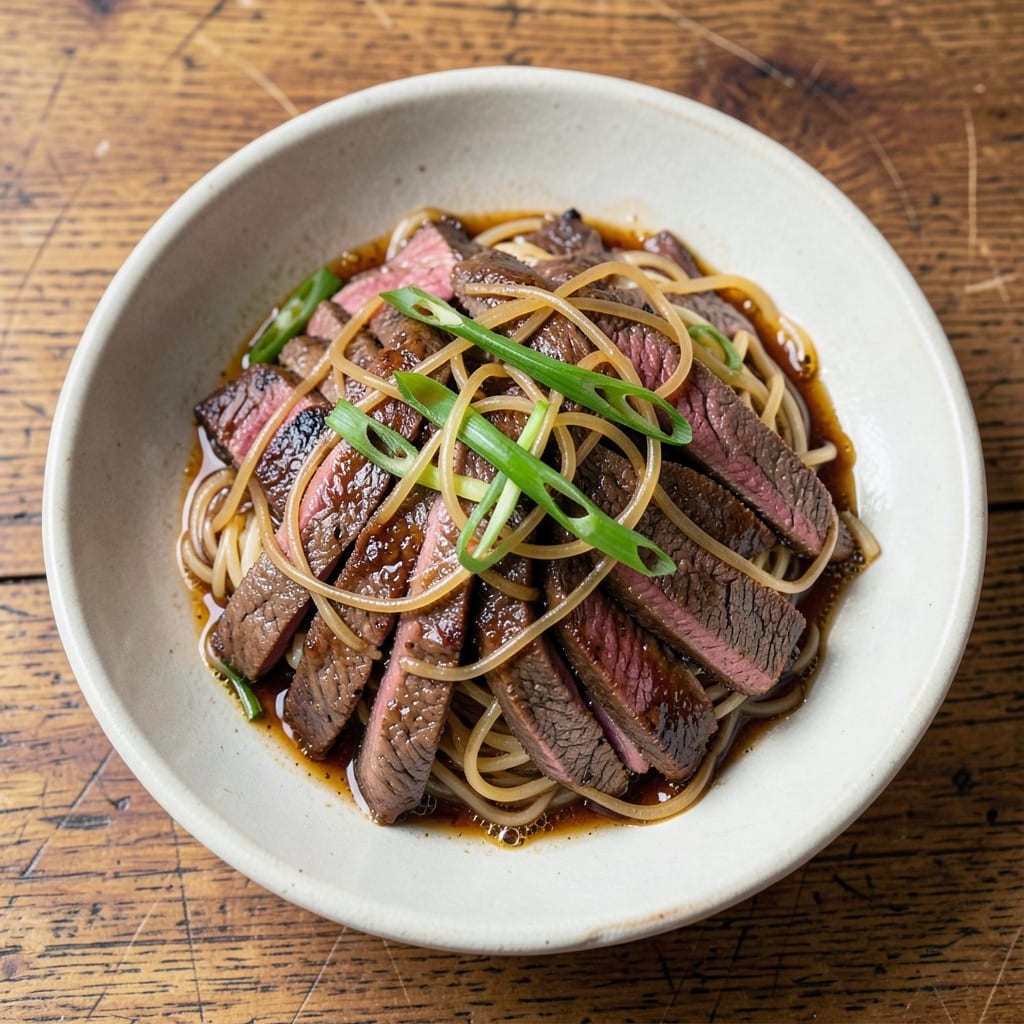
This beef and glass noodle recipe delivers restaurant-quality wok-hei flavor with perfectly crispy beef and silky noodles. The secret lies in high-heat stir-frying that creates those coveted charred edges while keeping the beef tender. I've refined this technique over years of testing, ensuring every bite delivers that signature smoky aroma and satisfying texture.
What sets this dish apart is the balance of textures—crispy beef strips against tender, glass noodles that absorb the savory sauce without becoming mushy. The marinade transforms tough cuts into melt-in-your-mouth pieces, while the noodles soak up just enough liquid to remain al dente. This recipe builds on traditional Chinese stir-fry methods but simplifies them for home cooks.
By the time you plate this dish, you'll have golden-brown beef with caramelized edges, glossy glass noodles, and a sauce that's rich yet light. The aroma alone will draw everyone to the table, and the first bite delivers that perfect contrast of textures and flavors. Serve with steamed greens or a side of pickled vegetables for a complete meal.
The beauty of this recipe is its versatility—it works as a weeknight dinner or an impressive takeout-style meal. The technique is straightforward once you master the high-heat stir-fry, and the ingredients list is simple without sacrificing depth of flavor. Let's get started on creating this wok-hei masterpiece at home.
Ingredients for beef and glass noodle
Restaurant-quality wok-hei starts with these simple yet transformative ingredients for crispy beef and silky noodles.
| Ingredient | Amount | Notes |
|---|---|---|
| Flank Steak 🥩 | 1 ½ lb | Thinly sliced against grain |
| Glass Noodles 🍜 | 8 oz | Dried, rinsed and drained |
| Soy Sauce 🥢 | ½ cup | High-quality, low-sodium |
| Oyster Sauce 🍲 | ¼ cup | For depth of flavor |
| Sesame Oil 🌱 | 1 tbsp | Toasted, for aroma |
| Cornstarch 🌾 | 2 tbsp | For crispy coating |
| Garlic Cloves 🧄 | 6 cloves | Minced, for marinade |
| Ginger Root 🌿 | 2 tbsp | Freshly grated, finely |
| Neutral Oil 🫒 | ½ cup | High smoke point |
| Green Onions 🧅 | ¼ cup | Sliced, for garnish |
| Sesame Seeds 🌰 | 1 tbsp | Toasted, for crunch |
| White Peppercorns 🌶️ | ½ tsp | Freshly ground |
| Brown Sugar 🍚 | 1 tbsp | For caramelization |
The flank steak is your secret weapon—look for thick-cut pieces with good marbling at Whole Foods or your local butcher. Thinly slicing against the grain (freeze for 30 minutes first) ensures tender bites. Costco often carries pre-sliced glass noodles, but the dried kind from Asian markets holds up better during stir-fry. For the soy sauce, Kikkoman is reliable, but Lee Kum Kee adds extra depth. Fresh ginger and garlic? Trader Joe's sells pre-minced jars, but freshly grated makes all the difference—trust me on this.
No oyster sauce? Hoisin sauce or extra soy sauce with a pinch of sugar works in a pinch. Cornstarch can be swapped for arrowroot powder at a 1:1 ratio. The sesame oil is non-negotiable for that signature aroma—La Choy is affordable and potent. For the oil, avocado oil has the highest smoke point for wok-hei. The brown sugar adds caramelization, but honey or maple syrup work if you prefer. Green onions can be subbed with scallions or chives—whatever you've got on hand.
Prep the beef and marinade ahead—it keeps for 24 hours in the fridge. Glass noodles cook in 3 minutes once boiling, so have them ready. The sauce can be made a day ahead and reheated gently. Store leftovers for 3-4 days in airtight containers, but the flavors peak on day two. For freezing, portion into single servings—thaw and reheat with a splash of water to restore texture.
Why You'll Love This Recipe
- No-Fuss Protein: I slice the flank steak thin—no fancy knife skills needed—and toss it in the pan while the noodles soak. Five minutes later, dinner’s ready. Honestly, this is the kind of recipe that makes me question why I ever overcomplicate things.
- Umami Bomb: That combo of soy and oyster sauce? It’s like a flavor explosion in your mouth. The sesame oil ties it all together with a nutty finish that makes me want seconds—even when I’m not supposed to be eating carbs.
- Lunchbox Hero: Between us, this is my go-to for meal prep. Cold or reheated, the noodles stay tender, and the beef holds up perfectly. Pack it in a container, and you’ve got a satisfying lunch that doesn’t taste like it came from a thermos.
- Budget Win: Flank steak stretches far when sliced thin, and glass noodles are cheaper than rice. A single pan, a handful of ingredients, and you’ve got a filling, restaurant-worthy meal for half the price. My wallet thanks me every time.
Step-by-step instructions for wok-hei crispy beef with silky noodles
Master the wok-hei technique for restaurant-quality beef that's crispy on the outside while remaining tender inside.
Marinate and Prep the Flank Steak
Slice the 1.5 lb flank steak thinly against the grain into ¼-inch thick strips. This cut is crucial—it ensures maximum tenderness when cooked quickly. Place the sliced beef in a bowl and add the 6 minced garlic cloves, 2 tbsp finely grated ginger root, 0.5 cup soy sauce, 0.25 cup oyster sauce, 1 tbsp brown sugar, and 0.5 tsp freshly ground white peppercorns. Mix well to coat the beef completely.
Cover the bowl and refrigerate for at least 30 minutes (or up to 4 hours). The marinade works its magic during this time, tenderizing the beef and infusing it with deep umami flavor. The sugar in the marinade will caramelize slightly during cooking, adding another layer of complexity to the dish.
Create the Cornstarch Coating for Crispy Texture
In a separate bowl, combine the 2 tbsp cornstarch with 1 tbsp toasted sesame oil. This mixture is your secret weapon for achieving that coveted wok-hei crispiness. Add the marinated beef to the cornstarch mixture and toss gently to ensure every piece is evenly coated. The cornstarch creates a light, crispy crust that seals in juices while providing texture.
Let the coated beef rest for 10 minutes at room temperature. This step is often overlooked but makes a difference—it helps the cornstarch adhere better and prevents the beef from releasing too much moisture when it hits the hot wok. You'll see the pieces develop a slightly matte appearance, which indicates they're ready for cooking.
Cook the Beef in Stages for Perfect Texture
Heat a wok or large skillet over high heat until it's smoking hot. Add the 0.5 cup neutral oil and swirl to coat the bottom evenly. Working in batches (don't overcrowd), add the cornstarch-coated beef and stir-fry for 1-2 minutes until the edges turn deep golden brown and crispy. The high heat is essential—it creates that signature wok-hei flavor through rapid cooking and caramelization.
Remove the cooked beef and set aside. Repeat with remaining batches, adding a little more oil if needed. The beef should be 80-85% cooked at this stage—it will finish cooking when combined with the noodles. If you see any pieces that aren't browned enough, return them to the wok for another 30 seconds until they develop that crispy exterior.
Prepare and Cook the Glass Noodles
While the beef cooks, prepare the 8 oz glass noodles by rinsing them thoroughly under cold water to remove any excess starch. Drain well and set aside. In a separate bowl, combine 1 cup hot water with 1 tbsp toasted sesame oil and 1 tbsp soy sauce. Add the drained noodles and let them soak for 5-7 minutes until they become silky and translucent but still hold their shape.
Drain the noodles again, reserving ¼ cup of the soaking liquid. Toss the noodles with 0.25 cup sliced green onions and keep them warm. The reserved soaking liquid will be used later to adjust the sauce consistency—it's packed with noodle starch that helps create a glossy, silky texture in the final dish.
Combine and Finish with Perfect Sauce
Return the cooked beef to the wok and add 0.25 cup oyster sauce and 0.25 cup soy sauce. Stir well to combine, then add the cooked glass noodles and toss everything together. Pour in the reserved ¼ cup noodle soaking liquid and stir-fry for 1-2 minutes until the sauce coats the noodles evenly and the beef reaches 160°F internally.
Remove from heat and immediately garnish with 1 tbsp toasted sesame seeds and additional green onions. The dish should have a perfect balance of textures—crispy beef, silky noodles, and a glossy, savory sauce. Serve immediately while the beef is still crispy and the noodles maintain their delicate texture. This dish doesn't wait—every bite should deliver that wok-hei magic at its peak!
Pro Tips For Making Beef And Glass Noodle
- Slice Thin, Cook Fast: Flank steak’s tough when overcooked, so slice it against the grain into ¼-inch strips before searing—thin pieces cook in under 2 minutes on high heat. I used to fight with medium heat and ended up with chewy beef; now I just crank the burner and walk away.
- Soak Noodles Until Silky: Dump glass noodles in ice water for 10 minutes before draining—this stops them from turning mushy later. I learned this the hard way after serving a bowl where the noodles fell apart like wet paper. Cold water is your friend here.
- Balance Sauces Like a Pro: Oyster sauce is salty; soy sauce is bold. Start with 1 tablespoon each, taste, then adjust—you can always add more, but you can’t fix oversalting. I skip the math now and just taste as I go, but this is the non-negotiable step that saves dishes.
- Sear First, Sauce Later: Cook the beef in a dry pan until deeply browned before adding any liquids—this builds flavor. Tossing in soy sauce too early just steams the meat. I was skeptical until I tried it: the crust makes all the difference, even in stir-fries.
Perfect pairings for this recipe
Classic Side Pairings
Steamed bok choy or gai lan adds a fresh, slightly bitter contrast to the rich beef and noodles. Blanch 4 cups chopped bok choy in boiling water for 1 minute, then shock in ice water to preserve vibrant green color. The crisp-tender texture balances the dish beautifully. For a simpler option, serve with jasmine rice—the mild fragrance complements without overpowering. 🥬
Pickled Vegetables
Quick-pickled cucumbers or carrots cut through the richness with bright acidity. Toss 2 cups thinly sliced cucumbers with ¼ cup rice vinegar, 1 tbsp sugar, and ½ tsp red pepper flakes for 15 minutes before serving. The cool crunch and tangy flavor make each bite more dynamic. I keep a jar of these in the fridge for last-minute additions.
Drink Pairings
A crisp green tea like Jasmine Pearl cleanses the palate between bites. For something stronger, try a light-bodied Chinese rice wine like Mijiu—its subtle sweetness enhances the dish's umami. Avoid heavy reds; they'll clash with the delicate noodle texture. A ginger beer on the side adds a refreshing kick. 🍵
Garnish Upgrades
Toast 1 tbsp black sesame seeds in a dry pan until fragrant for a nutty depth. Sprinkle over the dish just before serving for extra crunch. Thinly sliced red chili oil adds heat and visual appeal—drizzle ½ tsp per serving. Fresh cilantro leaves provide a bright herbal note that brightens the plate. These finishing touches elevate the dish from home-cooked to restaurant-worthy.
Dessert Follow-Up
End the meal with a light, sweet option like mango sorbet or lychee jelly. The cool, fruity flavors reset your palate after the savory beef. For a traditional pairing, serve red bean soup—its subtle sweetness and soft texture provide a comforting contrast. Avoid heavy desserts that might overwhelm the meal's delicate flavors. 🍈
Nutrition facts
Frequently asked questions
Can I substitute flank steak with another cut of beef?
Yes! Flank steak is ideal for its tenderness when sliced thinly, but you can use skirt steak or sirloin as substitutes. Avoid tougher cuts like chuck—they won't tenderize properly in the marinade. Always slice against the grain and freeze briefly before slicing for cleaner cuts.
Why are my glass noodles turning mushy?
Overcooking or soaking too long causes mushiness. Glass noodles should cook in 5-7 minutes in hot water, then drain immediately. For this recipe, soak them in the sesame oil mixture for just 5 minutes—any longer and they'll absorb too much liquid. Keep them warm in a dry pan off heat while finishing the beef.
How do I achieve that crispy wok-hei texture at home?
The key is high heat and cornstarch coating. Use a wok or cast-iron skillet on maximum heat until smoking. Cook beef in small batches for 1-2 minutes until deep golden brown. The cornstarch creates a crispy crust while sealing in juices. Don't overcrowd the pan or the beef will steam instead of sear.
Can I make this recipe ahead of time?
Yes, but with adjustments. Marinate the beef up to 4 hours ahead. Cook the beef and noodles separately, then refrigerate in airtight containers for 3-4 days. Reheat gently in a skillet with 1 tsp oil and 1 tbsp water to restore crispiness. The flavors actually improve overnight! For freezing, portion into single servings and reheat from frozen with extra oil.
What if I don't have oyster sauce?
No problem! Mix 2 tbsp soy sauce, 1 tbsp hoisin sauce, and ½ tsp sugar for a quick substitute. Or use 1 tbsp fish sauce plus 1 tbsp brown sugar for umami depth. The dish will still taste delicious—just slightly different. For extra richness, add ½ tsp MSG (optional but recommended).