
Side Dishes
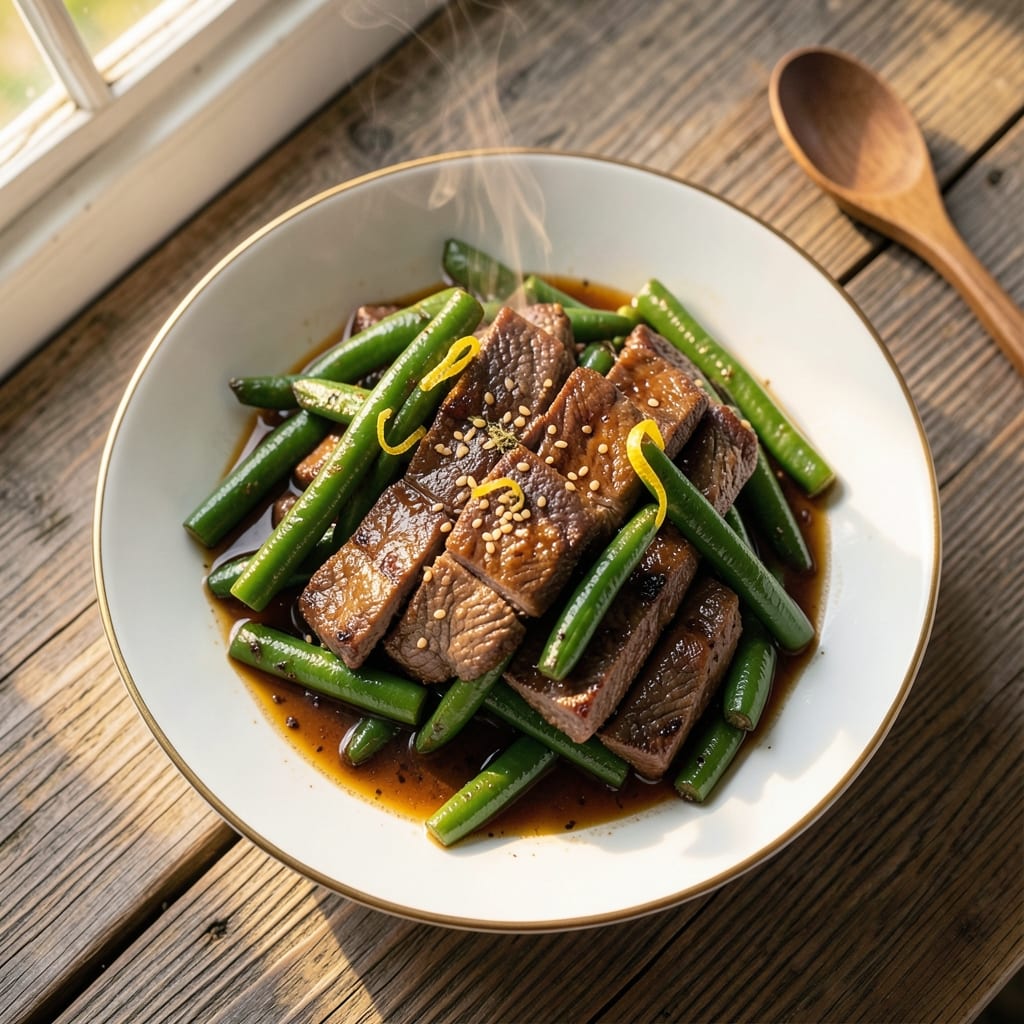
This Chinese beef and green beans recipe delivers restaurant-quality wok-fried perfection in just 20 minutes, balancing tender beef with crisp-tender green beans in a savory-sweet sauce. The secret lies in high-heat stir-frying—searing the beef first to lock in juices, then tossing everything together for that signature umami crunch. I first made this version after a trip to Shanghai, where street vendors nailed the technique of keeping the green beans vibrant while letting the beef develop a caramelized crust.
The dish relies on classic Chinese pantry staples: soy sauce for depth, ginger and garlic for aromatic warmth, and a touch of sugar to balance the richness. Unlike heavier braised versions, this stir-fry stays light yet satisfying, with the green beans adding a satisfying crunch that cuts through the beef's tenderness. The key technique is working in batches—cooking the beef until just done before adding the vegetables to prevent overcrowding, which would steam instead of sear.
What you'll end up with is a plate of golden-brown beef slices and bright green beans coated in a glossy sauce that's both savory and slightly sweet. The aroma alone—smoky from the wok, fragrant with ginger and garlic—will have everyone at the table asking for seconds. Serve it over steamed rice to soak up every last bit of the flavorful sauce, or pair it with a simple cucumber salad for a balanced meal.
The beauty of this recipe is its versatility—it works as a main dish or side, and the flavors only deepen as it sits. For extra authenticity, finish with a sprinkle of sesame seeds and a drizzle of chili oil, but even without those garnishes, the dish delivers that unmistakable Chinese restaurant taste. Let's get cooking!
Ingredients for beef and green beans chinese
Classic Chinese pantry staples meet wok-fried perfection for this umami-packed dish.
| Ingredient | Amount | Notes |
|---|---|---|
| Flank Steak 🥩 | 1 ¼ lb | Thinly sliced against grain |
| Green Beans 🌱 | 1 ½ lb | Trimmed, cut into 2-inch pieces |
| Light Soy Sauce 🥄 | 3 tbsp | Kikkoman preferred |
| Dark Soy Sauce 🥄 | 1 tbsp | For deeper color |
| Sesame Oil 🫒 | 1 tbsp | Toasted, for aroma |
| Granulated Sugar 🍚 | 1 ½ tbsp | Balances flavors |
| Garlic Cloves 🧄 | 4 cloves | Minced, fresh preferred |
| Fresh Ginger 🌿 | 1 ½ tbsp | Grated, peel removed |
| Neutral Oil 🫒 | 2 tbsp | Peanut or vegetable oil |
| Cornstarch 🌾 | 1 tbsp | For tenderizing beef |
| Green Onion 🧅 | 3 whole | Sliced, for garnish |
| Sesame Seeds 🌰 | 1 tbsp | Toasted, optional |
| Red Chili Flakes 🌶️ | ½ tsp | Adjust to taste |
| Salt 🧂 | 1 tsp | Kosher or sea salt |
| Black Pepper 🌶️ | ½ tsp | Freshly ground |
The beef is everything here—flank steak is ideal for its lean texture and ability to slice thinly. Look for a cut with good marbling at Whole Foods or your local Asian market, where they often have it pre-sliced for stir-fries. If you're slicing yourself, freeze the meat for 20 minutes first—makes it easier to cut against the grain. Kikkoman soy sauce is the gold standard, but any light and dark soy sauce will work. The green beans should be crisp—fresh is best, but frozen works in a pinch if you blanch them first. For extra authenticity, grab toasted sesame oil from the Asian aisle—it adds that nutty aroma that's non-negotiable in this dish.
No sesame oil? Toasted peanut oil works in a pinch, though it'll have a slightly different profile. Running short on dark soy sauce? Add a teaspoon of molasses to your light soy sauce for that deeper color. The cornstarch is key for tenderizing the beef—don't skip it. If you're feeling adventurous, swap the green beans for bok choy or snap peas, but keep the prep similar: blanched for 30 seconds to keep them crisp. The garlic and ginger can be pre-minced from a jar if you're short on time, but fresh is always better. And if you're worried about the beef being too tough, marinate it for 20 minutes in the sauce before cooking—game changer.
This dish tastes even better the next day—flavors meld beautifully when reheated gently. Store leftovers in an airtight container for up to 4 days in the fridge, or freeze for 3 months. I always double the recipe because it disappears fast. Garnishes like sesame seeds and chili flakes keep best in the freezer—just toast them fresh before serving. The sauce thickens as it cools, so add a splash of water when reheating if it gets too stiff. Serve over steamed jasmine rice to soak up every last bit of that glossy sauce.
Why You'll Love This Recipe
- One-Pan Magic: The flank steak and green beans practically cook themselves while you stir-fry—no boiling, no steaming, just sizzle and sauce. Honestly, I’ve made this on nights when I’d rather binge Netflix than chop veggies, and it still turns out ridiculously good.
- Umami Bomb: That combo of light and dark soy sauce? It’s like a flavor explosion in your mouth—salty, sweet, and deep all at once. The sesame oil at the end ties it together with this nutty aroma that makes the whole kitchen smell like a dim-sum dream.
- Lunchbox Hero: Between us, this is my go-to for meal prep—tastes just as fresh the next day, whether I’m packing it for work or reheating for a lazy Sunday. The green beans stay crisp, the beef stays tender, and it’s the one dish that actually makes my lunchbox look intentional.
- Budget Win: Flank steak stretches farther than you’d think when sliced thin, and green beans are cheap as chips. I’ll be real: I’ve fed four people for under $15 with this, and they all asked for seconds. Not bad for a recipe that takes less time than ordering takeout.
Step-by-step instructions for wok-fried beef and green beans
Master this quick Chinese stir-fry with tender beef, crisp green beans, and bold umami flavors.
Marinate and Prep the Beef
In a medium bowl, combine the 1.25 lb flank steak, 1 tbsp cornstarch, 1 tsp salt, and 0.5 tsp black pepper. Use your hands or a fork to coat the beef evenly in the cornstarch mixture—this creates a delicate crust that helps tenderize the meat. Let it marinate for 15-20 minutes at room temperature while you prep the rest.
While the beef marinates, trim the 1.5 lb green beans by snapping off the ends and cutting them into 2-inch pieces. Set aside. The cornstarch coating is crucial here—it mimics the tenderizing effect of velveting in Chinese cooking but with less fuss. Don't skip this step, or the beef will turn tough instead of silky.
Stir-Fry the Beef Until Caramelized
Heat a wok or large skillet over high heat until a drop of water sizzles and evaporates instantly. Add 2 tbsp neutral oil and swirl to coat the pan. Working in batches if needed, add the marinated beef and cook undisturbed for 1-2 minutes per side until the edges turn deep golden brown—this caramelization builds rich flavor. Avoid overcrowding the pan, or the beef will steam instead of sear.
Once browned, transfer the beef to a plate and set aside. The beef should be 70-75% cooked at this stage—it will finish cooking with the green beans. If any oil remains in the pan, wipe it out with a paper towel to prevent the green beans from becoming greasy. This high-heat sear is what gives the dish its signature wok-fried texture.
Cook the Green Beans with Aromatics
In the same wok, add 1 tbsp neutral oil and swirl to coat. Add the 2-inch green bean pieces and stir-fry for 2-3 minutes until they begin to soften but still retain a crisp-tender bite. This is key—they should be vibrant green with just a hint of flexibility, not mushy.
Add the 4 minced garlic cloves and 1.5 tbsp grated fresh ginger, stirring constantly for 30 seconds until fragrant. The aroma should fill your kitchen—this is when the dish starts to come together. If the green beans release a lot of water, let it evaporate completely before proceeding. The goal is to develop the flavors without steaming the vegetables.
Combine and Season the Stir-Fry
Return the beef to the wok and add the 3 tbsp light soy sauce, 1 tbsp dark soy sauce, 1.5 tbsp granulated sugar, and 0.5 tsp red chili flakes. Stir everything together for 1-2 minutes until the sauce coats the beef and green beans evenly. The dark soy sauce will give the dish its signature deep color, while the sugar balances the saltiness and adds a touch of sweetness.
Taste and adjust seasoning—you may need a splash more light soy sauce if the dish tastes bland. The sauce should cling to the ingredients without making them soggy. If it's too thick, add 1-2 tablespoons of water to loosen it. The beef should now be fully tender with a glossy, caramelized finish.
Finish and Garnish
Remove the wok from heat and stir in the 1 tbsp sesame oil and 3 sliced green onions. The sesame oil adds a nutty aroma that elevates the dish, while the green onions provide a fresh contrast. Toss everything together gently to distribute the oil evenly.
Divide the stir-fry among 4 plates and garnish each serving with 1 tbsp toasted sesame seeds. Serve immediately with steamed jasmine rice to soak up the flavorful sauce. The dish should be hot, vibrant, and packed with texture—crisp green beans, tender beef, and a glossy, umami-rich sauce. Leftovers can be refrigerated for up to 2 days, but they're best enjoyed fresh.
Pro Tips For Making Beef And Green Beans Chinese
- Slice Steak Against Grain: I learned this the hard way—thinly slicing flank steak before cooking makes all the difference. Cut it against the grain into ¼-inch strips, then marinate for 30 minutes. The meat stays tender, and you won’t waste time fighting chewy chunks later.
- Blanch Green Beans First: Skip the crowding—blanch the green beans in boiling water for 2 minutes, then shock in ice water. This keeps them crisp while the beef cooks, and they’ll absorb the sauce better without turning mushy.
- Use Dark Soy for Depth: Light soy sauce gives color, but dark soy sauce adds that rich, caramelized flavor. Toss the beef in 1 tablespoon of dark soy before stir-frying—it’ll caramelize on contact, giving the dish that restaurant-worthy sheen.
- Rest Meat Before Stir-Fry: Pat the sliced flank steak completely dry, then let it sit at room temp for 10 minutes. Cold meat releases juices into the pan instead of steaming, and you’ll get a proper sear—not a sad, gray slab.
Regional styles of this dish
Cantonese Classic
The most well-known version of beef and green beans comes from Cantonese cuisine, where it’s often called "beef with green beans" or "niu cai" (牛菜). This style focuses on simplicity and balance, using just light soy sauce, ginger, and garlic to highlight the natural flavors of the beef and vegetables. In Hong Kong and Guangzhou, you’ll often see this dish served with a side of steamed rice and a drizzle of chili oil for heat. The key here is keeping the green beans crisp-tender—never overcooked—so they provide a satisfying contrast to the tender beef. 🥢
Sichuan Spicy Kick
If you love heat, the Sichuan version takes this dish to another level by adding Sichuan peppercorns, dried chili peppers, and a generous amount of chili oil. The peppercorns add a numbing, tingling sensation that pairs perfectly with the umami-rich beef. I like to add 1 tsp ground Sichuan peppercorns to the sauce and finish with an extra 1 tbsp chili oil before serving. This version is a staple in Chengdu, where it’s often paired with hand-pulled noodles or steamed buns to balance the spice. 🌶️
Shanghai Street Style
In Shanghai, street vendors elevate this dish with a sweeter, glossier sauce that’s achieved by adding a touch of hoisin sauce and a pinch of white pepper. The beef is often sliced slightly thicker here, and the green beans are blanched first to ensure they stay crisp. I’ve seen vendors use a wok with a split lid to control heat while stir-frying, which keeps the ingredients from steaming. This version is all about the sauce—it should be sticky enough to coat the beef and green beans but still allow the ingredients to shine. 🍜
Fujian Light and Fresh
The Fujian region takes a lighter approach, often using fermented black beans (douchi) and light oyster sauce to add depth without overpowering the dish. The green beans are sometimes blanched in baking soda water to keep them vibrant, and the sauce is finished with a splash of Shaoxing wine for brightness. This version is less oily and more herb-forward, with fresh cilantro or Thai basil often used as a garnish. It’s a great option if you prefer a cleaner, more delicate flavor profile. 🌿
Modern Fusion Twist
For a contemporary take, I love adding shredded Brussels sprouts or baby bok choy to the green beans for extra texture, and a drizzle of sriracha-honey glaze at the end for a sweet-spicy finish. Some chefs also incorporate umami bombs like fish sauce or mushroom powder to deepen the flavor without altering the dish’s core identity. This fusion style works well for those who want to keep the traditional technique while adding a modern twist. 💡
Nutrition facts
Frequently asked questions
Can I substitute flank steak with another cut of beef?
Yes! Sirloin or ribeye work well as flank steak substitutes, but slice them thinly against the grain for tenderness. Avoid tougher cuts like chuck—they won't achieve the same silky texture. If using pre-sliced beef from an Asian market, check the packaging for "stir-fry beef" to ensure proper thinness.
Why do my green beans turn mushy instead of crisp-tender?
Overcrowding the pan or cooking too long steams the beans instead of searing them. Use high heat and cook in batches if needed. Also, trim the ends carefully—leaving too much stem makes them tough. For extra crispness, blanch them for 30 seconds in boiling water before stir-frying, then drain well.
What's the difference between light and dark soy sauce in this recipe?
Light soy sauce adds flavor while dark soy sauce provides color and a deeper, slightly sweeter taste. Skip dark soy sauce if unavailable, but add 1 tsp molasses to light soy sauce for similar coloring. The ratio in this recipe (3:1 light to dark) balances both functions perfectly.
Can I make this dish ahead of time?
Yes! The flavors improve overnight. Store in an airtight container for up to 4 days in the fridge. Reheat gently in a skillet with 1 tsp water to revive the sauce. For freezing, portion into single servings and freeze for 3 months
How do I adjust the heat level for picky eaters?
Simply reduce or omit the red chili flakes and sesame oil. For mild heat, add ½ tsp sugar to balance any remaining spice. The dish is already flavorful without heat—just focus on the umami from the soy sauce and beef.