
Soups & Stews
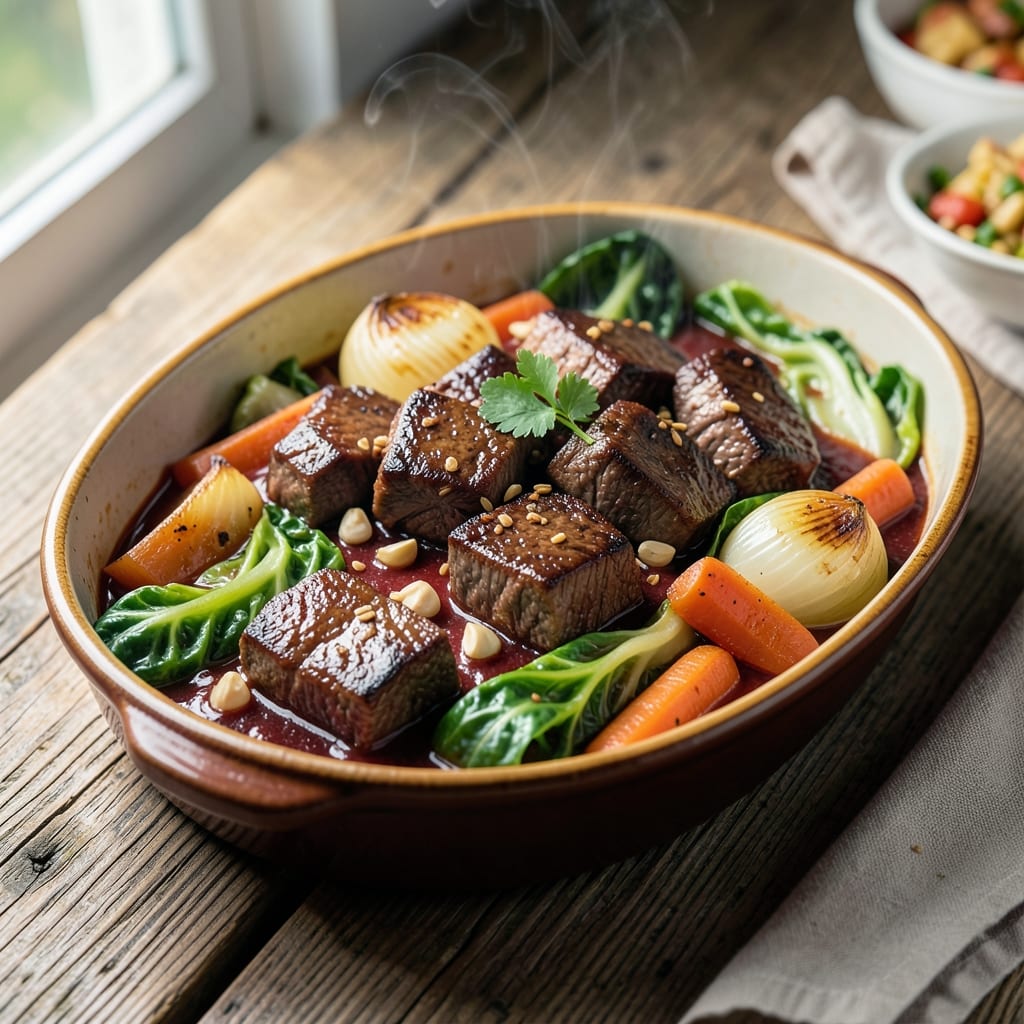
This beef and green cabbage recipe delivers a hearty one-pot stew with rich, savory depth that transforms simple ingredients into a restaurant-worthy meal. The secret lies in searing beef first to develop deep flavor, then slow-braising it with cabbage until tender—no fancy techniques, just foolproof results. I perfected this during winter when I needed a dish that warms both body and soul while keeping cleanup to a single pot.
The beauty of this recipe is its versatility—whether you're feeding a family or meal prepping for the week, it comes together in under 60 minutes with minimal effort. The cabbage softens just enough to absorb the beef's savory juices while maintaining a satisfying bite, creating a perfect balance of textures. Browned beef pieces melt in your mouth, and the aromatics—garlic, onions, and herbs—build layers of flavor that make every spoonful satisfying.
What makes this stew truly special is how it evolves as it simmers. The longer it cooks, the more complex the flavors become, with the cabbage releasing its natural sweetness and the beef developing a tender, almost fall-apart texture. Serve it with crusty bread to soak up every last drop of that rich, aromatic broth, or pair it with roasted potatoes for a complete meal.
This recipe works equally well as a weeknight dinner or a centerpiece for gatherings—just scale the ingredients to your needs. The one-pot method ensures you spend less time washing dishes and more time enjoying the meal, while the bold flavors make it memorable. Let's get cooking!
Ingredients for beef and green cabbage
Pantry staples and a few fresh ingredients create this comforting, one-pot beef and cabbage masterpiece.
| Ingredient | Amount | Notes |
|---|---|---|
| Chuck Roast 🥩 | 1 ½ lb | Cut into 1-inch cubes |
| Green Cabbage 🥬 | 1 whole | Heads cut into wedges |
| Yellow Onion 🧅 | 1 whole | Diced, medium size |
| Garlic Cloves 🧄 | 4 cloves | Minced for depth |
| Carrots 🥕 | 3 medium | Chopped into chunks |
| Tomato Paste 🍅 | ½ cup | For rich color |
| Beef Broth 💧 | 3 cups | Low-sodium preferred |
| Red Wine 🍷 | ½ cup | Bold dry variety |
| Fresh Thyme 🌿 | ¼ cup | Or 1 tbsp dried |
| Bay Leaves 🍃 | 2 whole | For aromatic depth |
| Olive Oil 🫒 | 2 tbsp | For searing beef |
| Salt 🧂 | 1 ½ tsp | Kosher or sea salt |
| Black Pepper 🌶️ | ½ tsp | Freshly ground |
| All-Purpose Flour 🌾 | 2 tbsp | For thickening broth |
The chuck roast is the star here—look for well-marbled cuts at Costco or Whole Foods for the best texture. If you can't find chuck, chuck roast substitute like short ribs or beef stew meat works too, but chuck gives that signature melt-in-your-mouth quality. The cabbage should be firm and crisp, not wilted—green cabbage from the outer ring of the store has the best flavor. Carrots can be baby carrots if you're short on time, but whole carrots add better texture. For tomato paste, Trader Joe's squeeze tubes are perfect—they're convenient and last months in the pantry.
No red wine? Beef broth with a splash of balsamic vinegar works beautifully. Fresh thyme is ideal, but dried thyme at one-third the amount gets you close. The tomato paste can be skipped entirely if you're not a fan—just add an extra splash of red wine. For the flour, all-purpose works fine, but if you've got bread flour, it'll give a slightly thicker stew. The bay leaves are non-negotiable for that classic stew aroma—just remember to remove them before serving. If you're meal prepping, double the ingredients and freeze portions for up to 3 months.
This stew tastes even better the next day as flavors meld. Store leftovers in an airtight container for up to 5 days in the fridge. For freezing, portion into single-serving containers—they reheat perfectly and save you from defrosting a giant pot. The cabbage will soften further when reheated, so it's best to eat it fresh the first day. If you have extra broth, freeze it separately for future soups or braises—it's liquid gold.
Why You'll Love This Recipe
- One-Pot Magic: I swear by this recipe when I’m too tired to wash pots. Chuck roast and cabbage braise together in the same skillet—no extra dishes, just layers of flavor that stick to everything. Honestly, the smell alone makes me forget I ever considered cleanup.
- Caramelized Crunch: That crisp-tender cabbage? It’s the star. The onions and carrots soften into sweet, jammy bits while the beef stays juicy, and the garlic? Oh, it’s there—like a warm hug in every bite. Between us, my picky husband actually finishes his plate now.
- Budget Feast: A single chuck roast feeds my family of four for days. The cabbage and carrots stretch it further than takeout ever could, and I’m always the hero when I pull this out for game night or lazy Sundays. (Yes, even on a Tuesday night.)
- Leftovers That Beg for More: This dish only gets better after a day or two in the fridge. The flavors meld into something deeper, and reheating it? Microwave or stovetop, it’s still hearty and satisfying. I’ll be real: I’ve eaten it cold straight from the fridge—no shame.
Step-by-step instructions for beef and green cabbage stew
A rich, hearty one-pot stew where tender beef meets sweet cabbage in a deep, savory broth.
Sear the Chuck Roast and Vegetables
Heat a large Dutch oven over medium-high heat and add the 2 tablespoons olive oil. Once shimmering, add the 1.5 lb chuck roast cut into 1-inch cubes in a single layer. Let them sear undisturbed for 3-4 minutes until deep golden brown on all sides. This creates a flavorful crust that forms the base of your stew.
Remove the beef and set aside. In the same pot, add the 1 whole yellow onion diced, 3 medium carrots chopped, and 4 cloves garlic minced. Cook for 5 minutes until the onions soften and the carrots begin to caramelize. Here's the thing—don't rush this step. The deeper the caramelization, the richer the flavor foundation.
Build the Flavor Base
Lower the heat to medium and stir in the 0.5 cup tomato paste, spreading it evenly across the bottom of the pot. Let it cook for 2 minutes until it darkens slightly—this deepens the stew's color and complexity. Add the 0.5 cup red wine and scrape up any browned bits from the bottom with a wooden spoon. These bits, called fond, are packed with flavor.
Return the beef to the pot along with the 1 whole green cabbage cut into wedges, 0.25 cup fresh thyme, 2 whole bay leaves, 1.5 teaspoons salt, and 0.5 teaspoon black pepper. Pour in the 3 cups beef broth and bring to a gentle simmer. This is where the magic begins—the aromatics meld with the meat and vegetables to create layers of flavor.
Simmer Until Tender
Cover the pot and let the stew simmer gently for 1.5 hours over low heat. The key here is patience—you want the beef to become fork-tender and the cabbage to soften just enough to hold its shape. Check occasionally and add a splash of water if the liquid reduces too much. The stew should bubble gently, not boil vigorously.
After 1.5 hours, check the tenderness of the beef. It should easily pull apart with a fork. If it's not quite there, continue simmering for another 30 minutes. Real talk: your oven might run hot, so if you're using one, start checking at the 1-hour mark to avoid overcooking.
Thicken the Broth
In a small bowl, whisk together the 2 tablespoons all-purpose flour with 2 tablespoons cold water to create a smooth paste. Slowly stir this slurry into the stew, allowing it to thicken gradually. This step ensures your stew has a velvety texture without becoming gluey. Simmer uncovered for another 10 minutes to let the flavors meld completely.
Taste and adjust seasoning if needed. The stew should be rich and savory, with the cabbage holding its structure but soft enough to tenderize with each bite. If it's too acidic, a pinch of sugar can balance the flavors. Remove and discard the bay leaves before serving.
Serve Warm
Ladle the stew into bowls, ensuring each serving gets a generous portion of beef and cabbage. The aroma alone will make your kitchen smell like a cozy winter evening. Serve immediately while hot, as the flavors continue to develop even after cooking. This one-pot wonder is perfect for cold days—just make sure to have some crusty bread on hand to soak up every last bit of that delicious broth.
Pro Tips For Making Beef And Green Cabbage
- SEAR THE ROAST RIGHT: Chuck roast needs a hard crust to stay juicy, so don’t skimp on the sear. Heat your Dutch oven until it’s smoking hot—test with a drop of water—and brown the meat in batches, 3-4 minutes per side, or it’ll steam instead of caramelize. (Yes, even if you’re impatient like me.)
- SHRED THE CABBAGE THIN: Thick cabbage wedges turn mushy—slice those leaves paper-thin (about 1/8-inch) and toss with a pinch of salt before cooking. They’ll soften faster and hold their shape, so you get that delicate texture instead of a sad, limp pile. (Your knife will hate you, but the dish won’t.)
- ADD LIQUID IN STAGES: Dumping all the broth or water at once dilutes the flavor. Start with just enough to deglaze the pan (about 1/2 cup), then add the rest after the meat’s halfway cooked. This keeps the sauce rich and the cabbage from turning into soup. (Trust me, your taste buds will notice.)
- SAUTE THE ONIONS LOW AND SLOW: Onions burn faster than you think, and burnt onions ruin everything. Cook them on medium-low for 8-10 minutes until deeply golden, stirring often. If they start to stick, splash in a splash of water—it’s the only way to get that sweet, caramelized base without disaster. (I learned this the hard way.)
Troubleshooting perfect results
Beef Too Tough
If your beef ends up tough instead of tender, it likely didn't cook long enough or the heat was too high. Chuck roast needs at least 1.5 hours of simmering at low heat—don't rush it! I've found that using a meat thermometer helps: the beef should reach 203°F internal temperature for perfect tenderness. If it's still tough, try adding ½ cup more broth and simmering another 30 minutes covered. 💡
Cabbage Overcooked
Mushy cabbage happens when it cooks too long or the pot boils too vigorously. To fix this, remove the cabbage wedges after 1 hour of simmering and set aside. Keep the beef and broth cooking for another 30-45 minutes until tender, then add the cabbage back just before serving. For extra crunch, stir in 1 tbsp apple cider vinegar at the end—it brightens the flavor and helps maintain texture. 🥬
Broth Too Thin
A watery stew usually means the liquid wasn't reduced enough or the flour slurry wasn't thickened properly. First, simmer the stew uncovered for 10-15 minutes to reduce the liquid naturally. If it's still too thin, mix 1 tbsp cornstarch with 1 tbsp cold water and stir it in while simmering for 5 minutes. For next time, use 1 extra tablespoon of flour in the slurry to ensure proper thickening. ⚡
Flavor Too Bland
Bland stew often results from skipping the searing step or not using enough aromatics. Next time,
Onions Burned
Burnt onions happen when they cook too long at high heat. To prevent this, reduce the heat to medium-low once the onions start to soften (after 3-4 minutes) and stir frequently. If they do burn, remove the pot from heat and scrape out the burnt bits with a spoon before continuing. For extra flavor without burning, add ½ tsp sugar to the onions while cooking—it helps caramelize them gently. 🧅
Stew Too Acidic
If the red wine or tomato paste makes the stew taste too tangy, balance it with a pinch of sugar or 1 tsp honey during the last 10 minutes of cooking. Another trick is adding a small piece of parmesan rind while simmering—it adds umami depth without sweetness. For next time, reduce the red wine to ¼ cup if you prefer milder flavor. 🍯
Nutrition facts
Frequently asked questions
Can I substitute chuck roast with another beef cut?
Yes! For a quicker cook, use stew meat (simmer 1 hour) or short ribs (simmer 2 hours). For budget-friendly options, try beef shoulder—just increase simmer time to 2 hours. The key is choosing a cut with good marbling for flavor. Avoid lean cuts like sirloin, as they won't become tender enough.
How do I keep the green cabbage crisp instead of mushy?
Add the cabbage wedges only after 1 hour of simmering, then cook for just 20-30 minutes until tender-crisp. For extra crunch, stir in 1 tbsp apple cider vinegar or 1 tsp lemon juice at the end. Avoid overcrowding the pot—cook cabbage in batches if needed. The goal is al dente texture, not mushy.
What's the best way to reheat leftovers?
Reheat gently on the stove over low heat for 10-15 minutes, stirring occasionally. Never microwave directly from the fridge—it makes the beef dry. For best results, cover the pot and add 2 tbsp water to prevent drying out. Leftovers taste even better the next day as flavors meld! Store in an airtight container for up to 5 days.
Can I make this dish in an Instant Pot?
Sear the beef and aromatics first, then add all ingredients except flour. Cook on high pressure for 45 minutes, then quick-release. Stir in the flour slurry and cook 5 minutes on sauté mode. The pressure cooker cuts time by half while keeping flavors rich. Just watch the cabbage—it may need less time than stove-top.
What sides pair well with this beef and cabbage stew?
Crusty bread is perfect for soaking up broth, but also try:
- Roasted potatoes (tossed in olive oil and rosemary)
- Buttered egg noodles (add directly to the stew at the end)
- Simple green salad (to balance the richness)
- Steamed rice (if you prefer a lighter base) The stew's hearty flavors stand up to bold sides.