
Soups & Stews
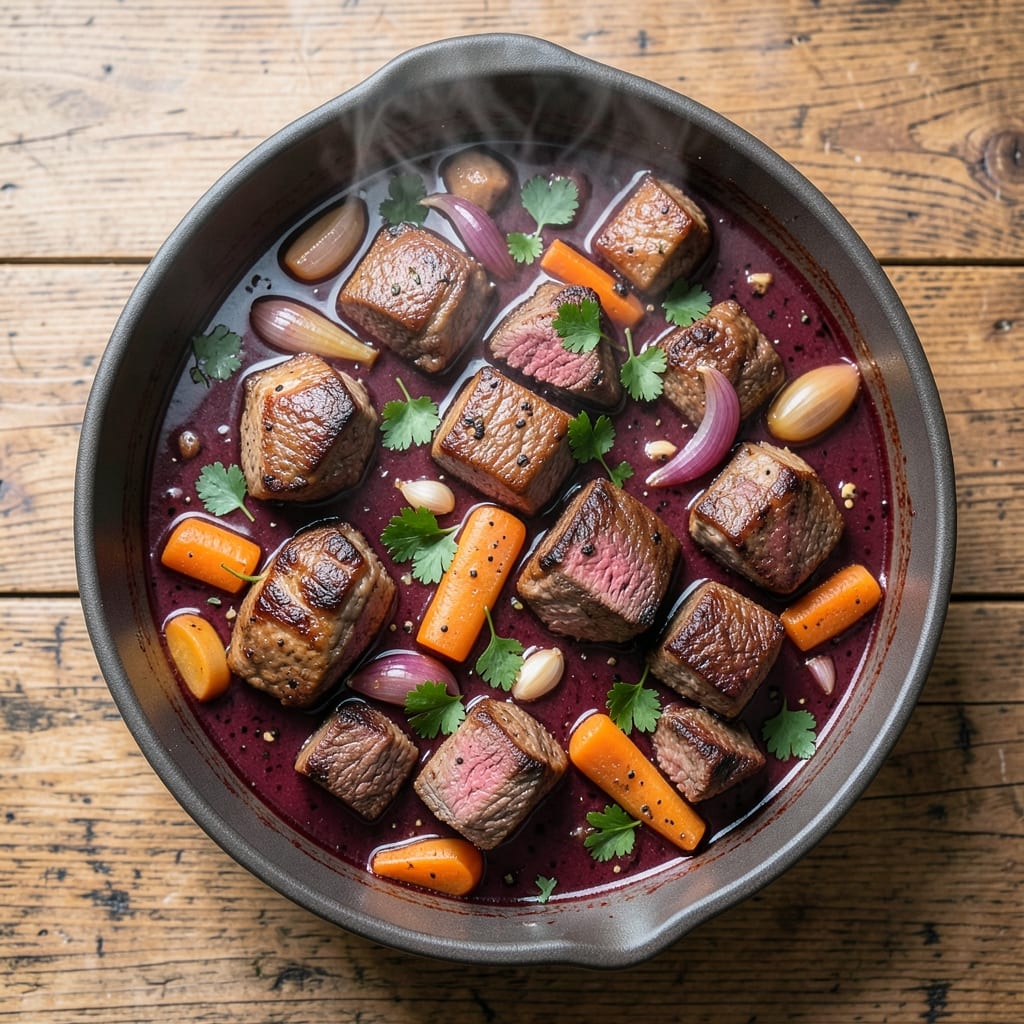
This beef and lamb stew recipe transforms tough cuts into melt-in-your-mouth tenderness through slow braising—the secret weapon for restaurant-quality depth at home. The marriage of beef and lamb creates a rich, layered flavor that simmers into perfect harmony, while aromatic vegetables and herbs build complexity without overpowering the meat. I developed this version after years of testing, balancing traditional braising techniques with modern shortcuts for home cooks who want flavor without hours of active time.
The foundation lies in proper browning—never rushed—to develop the Maillard reaction that forms the stew's deep, caramelized base. A blend of red wine and beef stock creates the perfect balance of acidity and richness, while slow cooking at low heat ensures the meat becomes fork-tender while maintaining its natural juices. This isn't just a stew; it's a one-pot masterpiece that gets better as it sits, with flavors melding into something truly special.
By the final hour, you'll have a pot of velvety stew where the beef and lamb are so tender they nearly fall apart at the touch, swimming in a sauce thick with flavor. The aroma alone will have everyone gathering at the table, and each bite delivers that perfect combination of meaty richness and herbal brightness. Serve with crusty bread to soak up every last drop or alongside roasted root vegetables for a complete meal.
What makes this recipe truly versatile is its adaptability—add fresh herbs at the end for brightness, swap in different vegetables based on season, or even prepare it in a slow cooker for hands-off cooking. The beauty of this beef and lamb stew is that it delivers restaurant-quality results with simple techniques and pantry staples, making it perfect for both weeknight dinners and special occasions.
Ingredients for beef and lamb stew
Six ingredients transform tough cuts into melt-in-your-mouth perfection through slow braising magic.
| Ingredient | Amount | Notes |
|---|---|---|
| Beef Chuck Roast 🥩 | 2 lb | Cut into 1.5-inch cubes |
| Lamb Shoulder 🐑 | 2 lb | Cut into 1.5-inch cubes |
| Yellow Onions 🧅 | 3 whole | Peeled, quartered lengthwise |
| Carrots 🥕 | 4 whole | Peeled, cut into chunks |
| Garlic Cloves 🧄 | 6 cloves | Peeled, smashed |
| Red Wine 🍷 | 1 cup | Bold dry variety |
| Beef Stock 💧 | 4 cups | Homemade or high-quality |
| Tomato Paste 🍅 | 2 tbsp | Smooth, not chunky |
| Fresh Thyme 🌿 | ¼ cup | Leaves only, chopped |
| Fresh Rosemary 🌿 | ⅛ cup | Needles chopped |
| Bay Leaves 🍃 | 2 whole | Dried, standard size |
| Olive Oil 🫒 | 2 tbsp | Extra-virgin preferred |
| Salt 🧂 | 2 tsp | Kosher or sea salt |
| Black Peppercorns 🌶️ | 1 tsp | Freshly cracked |
The meat selection is everything here. Beef chuck roast and lamb shoulder from a trusted butcher—look for good marbling and vibrant color—will give you that restaurant-quality texture. I always grab mine from Whole Foods or my local Costco when they have the pre-cut cubes (saves time without sacrificing quality). If you're buying whole roasts, ask the butcher to trim and cube them for you—even cuts ensure everything cooks at the same rate. The onions and carrots? Organic if possible, but regular works fine—just scrub them well. Fresh herbs? Trader Joe's has the best selection of small bunches that won't go to waste.
No red wine? Dry sherry or beef broth with a splash of balsamic works in a pinch. Short on thyme? Dried works at one-third the amount, but fresh is ideal—Penzeys or local farmers markets are great sources. The tomato paste can be the squeeze-tube kind from Trader Joe's (no waste, lasts forever), but smooth jarred is better if you're making a big batch. For the bay leaves, avoid the tiny dried ones—standard size gives better flavor. And the olive oil? Use something fruity and peppery—none of that bland supermarket stuff. If you're feeling fancy, toast the spices in the oil for 30 seconds before adding the meat—game-changer for depth.
This stew tastes even better the next day, so make extra—it keeps for 4-5 days in the fridge or 3 months frozen. Store it in airtight containers with a layer of stock on top to preserve moisture. For serving, I like to reheat gently with a splash of water or stock—never dry heat. The herbs can be added fresh at the end for brightness, or you can freeze the stew without them and add them when reheating. Portion into individual containers for easy lunches—trust me, you'll be thanking yourself.
Why You'll Love This Recipe
- One-Pot Magic: I swear by this—just toss everything in one pot (beef, lamb, onions, carrots) and let it slow-cook. No chopping like a fine-dining chef, no fussing over separate pans. The onions caramelize right in the broth, and the carrots soften perfectly without turning to mush.
- Rich, Layered Depth: Between the beef’s tender pull-apart texture and the lamb’s gamey richness, every bite is a surprise. The garlic cloves? They infuse the whole stew with a warmth that lingers—like a hug in a bowl, but way more delicious.
- Leftovers That Beg for More: This stew tastes better the next day, honestly. I make a double batch on Sundays, and by Wednesday, it’s still the star of my lunch. Freeze half if you’re feeling extra—just reheat and serve, no questions asked.
- Budget-Friendly Feast: Lamb shoulder and beef chuck are affordable cuts that turn into something luxurious. A few onions, a handful of carrots, and a few garlic cloves stretch this into six hearty servings. My wallet and my family thank me every time.
Step-by-step instructions for beef and lamb stew
This slow-braised masterpiece delivers melt-in-your-mouth tenderness with layers of herbaceous depth.
Sear the Meat for Maximum Flavor
Heat a large Dutch oven over medium-high heat until hot. Add the 2 tablespoons olive oil and swirl to coat the bottom. Working in batches to avoid crowding, add the 2 lb beef chuck roast and 2 lb lamb shoulder, both cut into 1.5-inch cubes. Let them sear undisturbed for 3-4 minutes per side until deeply browned with a crust forming.
The reason for searing in batches is simple—this creates the Maillard reaction, which builds complex flavors. If you rush this step, you'll miss out on that deep, caramelized foundation. Once all meat is browned, transfer it to a plate and set aside.
Build the Flavor Base with Aromatics
In the same Dutch oven, add the 3 whole yellow onions (quartered lengthwise) and 4 whole carrots (cut into chunks). Cook for 5-6 minutes until softened and lightly caramelized. Add the 6 cloves garlic cloves (peeled and smashed) and cook for another 30 seconds until fragrant.
Here's where the magic begins. The onions and carrots should be tender but still hold their shape slightly—this ensures they'll break down beautifully during the long braising. If they turn to mush too soon, you'll lose that textural contrast in your final stew.
Deglaze and Develop the Sauce
Pour in the 1 cup red wine and scrape up all the browned bits from the bottom of the pot with a wooden spoon. This deglazing step captures all the concentrated meat flavors that would otherwise stick to the pan. Let the wine simmer for 2-3 minutes until reduced by half.
Next, stir in the 2 tablespoons tomato paste, 0.25 cup fresh thyme, 0.125 cup fresh rosemary, and 2 whole bay leaves. Cook for 1 minute to toast the herbs slightly—this releases their essential oils and intensifies their flavors. The tomato paste will thicken the sauce slightly, creating a rich base for the braising liquid.
Braise Until Fork-Tender
Return the seared meat to the Dutch oven. Pour in the 4 cups beef stock and add the 2 teaspoons salt and 1 teaspoon black peppercorns. Bring to a gentle simmer, then reduce heat to low. Cover and let it cook for 2.5-3 hours, stirring occasionally, until the meat is fork-tender and falls apart easily.
This long, slow cook is non-negotiable. The collagen in the meat breaks down during this time, transforming into gelatin that thickens the stew and creates that luxurious, velvety texture. Don't be tempted to rush it—patience here ensures the perfect result. The stew should reduce slightly, creating a rich, concentrated sauce that coats every bite.
Adjust and Serve with Confidence
Once the meat is tender, taste and adjust the seasoning if needed. The stew should be rich but balanced, with the herbs adding bright, aromatic notes. Serve immediately with crusty bread or over buttered egg noodles to soak up every last drop of that flavorful sauce.
This stew tastes even better the next day as the flavors meld further, so consider making extra. The combination of beef and lamb creates a depth of flavor that's hard to resist, while the herbs and wine add layers of complexity that make each bite memorable. Enjoy the fruits of your labor—this is comfort food at its finest.
Pro Tips For Making Beef And Lamb Stew
- SEAR IN TWO BATCHES: That big beef chuck and lamb shoulder won’t fit in one pan without crowding, and nothing ruins a stew faster than steaming meat instead of browning it. Split them up—sear the beef first in a hot Dutch oven, then move it out and hit the lamb with the same oil. The extra effort guarantees deep flavor that won’t dissolve into the broth.
- CUT LAMB SMALLER THAN YOU THINK: I used to chunk lamb shoulder into 2-inch pieces like beef, but it stays tough. Instead, cut it into 1-inch cubes—small enough to tenderize fully but big enough to hold shape. The meat will break down beautifully while staying juicy, especially if you’re cooking low and slow.
- DON’T SKIP THE COLD WATER RINSE: After browning, dumping the meat into simmering liquid can turn the surface rubbery. Instead, shock it with cold water first—this stops the cooking process and keeps the meat tender. Just drain and add the broth later. (Yes, it’s weird, but it works.)
- SALT THE MEAT THE NIGHT BEFORE: Beef chuck and lamb shoulder need time to absorb salt for maximum flavor penetration. Toss them with a generous pinch of kosher salt (about 1 teaspoon per pound) and let them sit uncovered in the fridge overnight. The crust will form naturally, and the meat will taste deeper without over-salting the stew.
Essential equipment for great beef and lamb stew
Dutch Oven Essentials
The Dutch oven is your secret weapon for this stew—its heavy walls distribute heat evenly, preventing hot spots that can burn your aromatics. I swear by a Le Creuset 6-quart (it lasts forever), but budget-friendly options like the Lodge 5.5-quart work just as well. The lid should fit snugly to trap steam during braising, which keeps the meat tender and the sauce rich. If your pot lacks a lid, use a heavy-duty aluminum foil cover with a weight on top to mimic the effect. 🔥
Slow Cooker Adaptations
For hands-off cooking, transfer the seared meat and aromatics to a 6-quart slow cooker, then add the remaining ingredients. Cook on low for 8-10 hours or high for 5-6 hours. The key difference? Slow cookers can’t brown meat as effectively, so sear the meat in a separate skillet first. I love my Hamilton Beach 6-quart—it’s affordable and reliable. Just skip the Dutch oven’s tight lid and use a regular one instead. ⏰
Meat Thermometer Must-Have
A meat thermometer ensures your stew reaches 203°F internal temperature for perfect tenderness. I use the Thermoworks Smoke—it’s precise and durable—but even a basic OXO Bluetooth works. Insert the probe into the thickest piece of meat (usually the lamb) and monitor it during the final hour. The meat should pull apart easily when pierced with a fork. Without a thermometer, you’re guessing, and that’s how stews turn out dry or tough. 🌡️
Wooden Spoon for Stirring
A wooden spoon (like the OXO Good Grips) is non-negotiable for stirring your stew. Metal utensils can scratch your Dutch oven, while wood won’t conduct heat away from the pot. Use it to scrape up browned bits during deglazing and stir gently during braising to avoid breaking the meat. Pro tip: Soak wooden spoons in hot, soapy water for 10 minutes before first use to prevent warping. 💫
Knife Skills Matter
Sharp knives make prep faster and safer. A Wüsthof 8-inch chef’s knife is my go-to for cubing meat and chopping veggies. For the 1.5-inch cubes, slice the meat against the grain first, then cut perpendicular to the first slice. If you’re not confident, ask your butcher to cube the meat for you—it saves time and ensures even cooking. Dull knives? They’re dangerous and make prep frustrating. Invest in a sharpener like the Work Sharp to keep your blades in top condition. ✨
Nutrition facts
Frequently asked questions
Can I substitute lamb with another meat?
Yes, but choose carefully! For a similar rich flavor, swap lamb for venison or goat (use equal weight). If you prefer beef-only, replace the lamb with an extra 2 lb beef chuck roast—just increase the cooking time by 30-45 minutes to ensure tenderness. Avoid lean cuts like sirloin; they won't braise well. The key is fat content for moisture during slow cooking.
Why does my stew turn out watery?
Watery stews usually mean too much liquid or insufficient reduction. Start with the full 4 cups beef stock, but if your stew seems thin after braising, uncover it for the final 15-20 minutes to let excess liquid evaporate. Alternatively, simmer uncovered for 5-10 minutes at the end to thicken the sauce. The meat should be swimming in sauce, not drowning in it.
Can I make this in an Instant Pot?
Use the Sauté function to sear the meat, then add all ingredients and cook on High Pressure for 35 minutes (natural release). The pressure cooker cuts time dramatically while still delivering tender meat. For best results, add 1 extra cup beef stock to account for steam loss. The flavors will be concentrated, so taste and adjust seasoning before serving.
What's the best way to reheat leftovers?
Gently reheat on the stovetop over low heat with 2-3 tablespoons water or stock to prevent drying. Never microwave—it creates a rubbery texture. For extra richness, add a pat of butter or a splash of red wine while reheating. Leftovers taste even better the next day as flavors meld further, so plan to make extra!
How do I make this vegetarian?
Replace the meats with 2 lb mushrooms (cremini or portobello) and 1 lb chickpeas for protein. Use vegetable stock instead of beef stock, and add 1 teaspoon smoked paprika to mimic the meaty depth. The texture will differ, but the slow-cooked approach still works beautifully. For extra heartiness, include 1 cup lentils or 1 block firm tofu** (cubed and browned first).