
Sauces & Condiments
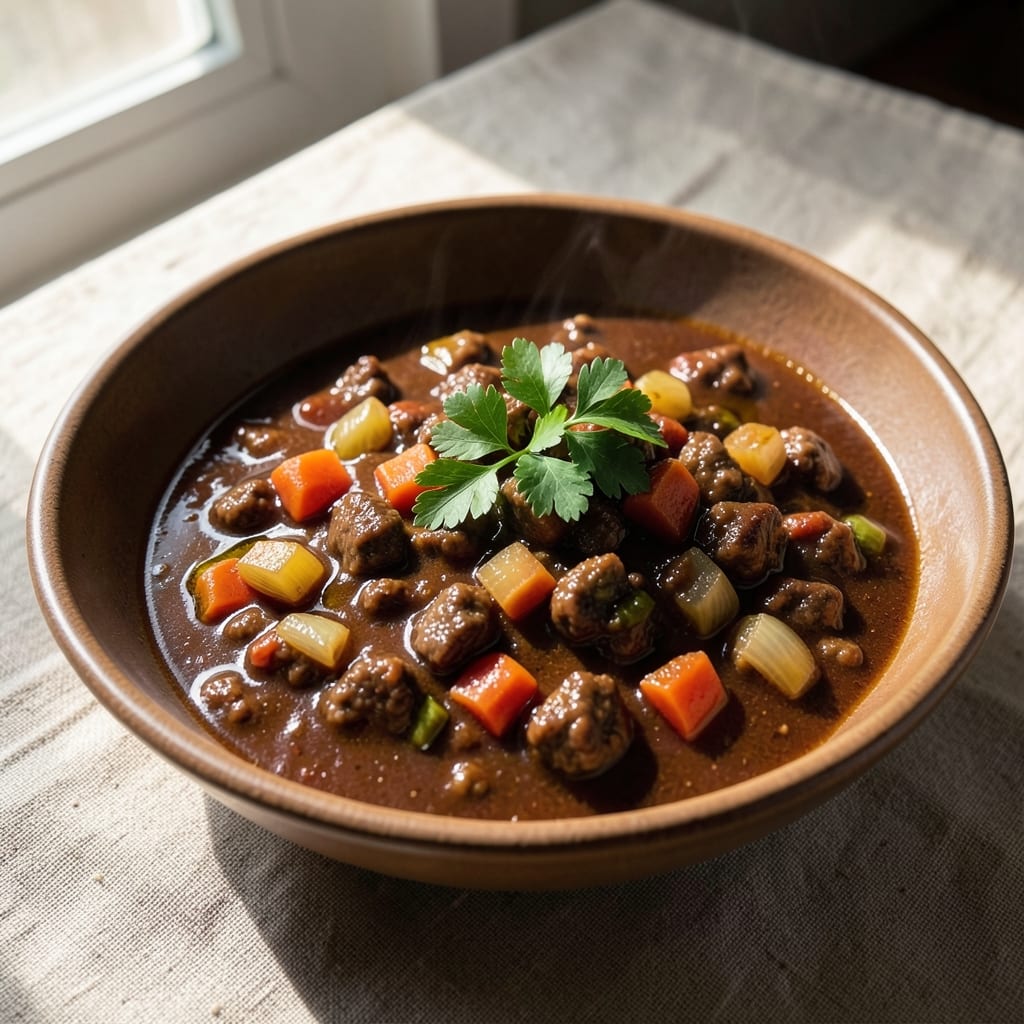
This beef and pork bolognese sauce transforms humble ingredients into a restaurant-worthy masterpiece with deep, slow-simmered umami that clings to every strand of pasta. I developed this recipe after years of perfecting the balance between rich meat flavors and bright acidity—where red wine and fresh herbs elevate simple ground beef and pork into something extraordinary. The secret lies in patience: letting the sauce develop its complex layers over hours rather than rushing through the process.
What sets this bolognese apart is the combination of beef and pork, which creates a meatier texture and richer flavor profile than traditional recipes. We'll build the sauce from scratch, starting with a proper soffritto of onions, carrots, and celery that forms the aromatic foundation. The wine reduces slowly, deepening the sauce's character while cutting through the richness of the meat. Fresh herbs like basil and thyme add brightness that prevents the sauce from becoming heavy.
The result is a velvety, deeply flavorful bolognese that's versatile enough for pasta nights, stuffed shells, or even as a hearty filling for lasagna. Each spoonful delivers layers of savory, slightly sweet, and tangy notes that make it impossible to stop at one serving. This isn't just a sauce—it's a flavor experience that transforms ordinary meals into something special.
Perfect for meal prepping or serving immediately, this recipe delivers consistent results every time. The slow simmering process ensures the meat breaks down perfectly while developing maximum flavor. Whether you're feeding a family or preparing for a dinner party, this bolognese sauce will become your new go-to for Italian nights.
Ingredients for beef and pork bolognese sauce
Sixteen ingredients that build layers of umami through slow simmering and wine reduction.
| Ingredient | Amount | Notes |
|---|---|---|
| Ground Beef (Chuck) 🥩 | 1 lb | 80% lean, finely ground |
| Ground Pork 🐷 | ½ lb | Finely ground for even texture |
| Yellow Onion 🧅 | 1 ½ cups | Finely diced, about 1 large |
| Carrots 🥕 | 1 cup | Finely diced, peeled |
| Celery Stalks 🧄 | 2 cups | Finely diced, about 2 medium |
| Garlic Cloves 🧄 | 6 cloves | Minced, fresh preferred |
| Dry Red Wine 🍷 | ½ cup | Bold variety like Cabernet |
| Tomato Paste 🍅 | ½ cup | High-quality, smooth texture |
| Canned San Marzano Tomatoes 🍅 | 28 oz | Crushed or whole, no salt added |
| Fresh Basil Leaves 🌿 | ¼ cup | Chopped, stems removed |
| Fresh Thyme Leaves 🌿 | 1 tbsp | Chopped, or 1 tsp dried |
| Extra-Virgin Olive Oil 🫒 | ¼ cup | High-quality, fruity |
| Beef Stock 💧 | 1 ½ cups | Low-sodium preferred |
| Dried Oregano 🍃 | 1 tsp | Italian variety preferred |
| Salt 🧂 | 1 ½ tsp | Diamond Crystal preferred |
| Black Pepper 🌶️ | 1 tsp | Freshly ground |
The meat selection is non-negotiable—chuck roast for beef gives that signature tender texture, while ground pork adds richness. Grab 80% lean beef from the butcher section (pre-ground often has fillers) and fresh pork from the meat counter at Whole Foods or Costco for better quality. For the soffritto, San Marzano tomatoes are worth the splurge—they're sweeter and less acidic than regular canned tomatoes. The olive oil should be fruity and peppery; California avocado oil or Italian extra-virgin are my go-tos. Fresh herbs make all the difference here—basil and thyme should be bright green with no wilting.
No red wine? Dry sherry or beef broth with a splash of balsamic works in a pinch. Short on beef stock? Chicken stock with a bouillon cube gets you close (just taste and adjust salt). The tomato paste can be from a tube if that's what you've got—Trader Joe's has great squeeze tubes that last forever. Want more depth? Add a pinch of cinnamon or allspice (traditional in some bolognese recipes). For the onions, carrots, and celery, the smaller the dice, the better—aim for rice-sized pieces so they melt into the sauce completely. Pre-grated cheese? Never—it's just sawdust.
This sauce tastes even better the next day as flavors meld. Store in an airtight container in the fridge for up to 5 days or freeze for 3 months. For freezing, portion into 1-cup containers—perfect for meal prep. The wine reduces significantly, so deglaze with extra beef stock if needed. If the sauce seems too thick after simmering, stir in 1-2 tbsp of water or stock to reach your desired consistency. Leftovers reheat beautifully—gentle heat only to avoid breaking the sauce.
Why You'll Love This Recipe
- One-Pot Magic: I swear by this—just brown the beef and pork together, toss in the chopped onion, carrots, and celery (that classic trio, right?), and let it simmer. No extra pans, no fuss, and the flavors meld into something deep and rich without me having to babysit it.
- Rich Umami Bomb: Between the chuck beef’s meaty depth and the pork’s subtle fat, this sauce has layers I can’t get enough of. The slow cook-down caramelizes the onions until they’re practically sweet, and the carrots and celery add a subtle earthiness that balances everything. Honestly, it’s the kind of sauce that makes you want to eat it straight from the pot.
- Freezer-Friendly Hero: Make a double batch and freeze half—this stuff tastes even better the next day, and reheats like a dream. I’ve got it in my rotation for lazy Sundays, potlucks, or when I need to feed a crowd without stressing. Just thaw and simmer, and you’ve got a showstopper.
- Budget Stretch: Chuck beef and pork are affordable, and the veggies bulk it up without breaking the bank. I’ve fed my whole family (plus my partner’s picky uncle) for less than $15, and everyone left happy. Plus, the leftovers? They’re my secret weapon for quick lunches or pasta nights when I’m too tired to think.
Step-by-step instructions for beef and pork bolognese sauce
This method delivers deep, complex flavor through slow cooking and proper technique.
Sauté the Vegetable Base
Heat the 0.25 cup extra-virgin olive oil in a large, heavy pot over medium heat. Add the 1.5 cups finely diced yellow onion, 1 cup finely diced carrots, and 2 cups finely diced celery stalks. Cook for 8-10 minutes, stirring occasionally, until the vegetables soften and the onion becomes translucent. This foundational step builds flavor through caramelization.
Add the 6 cloves minced garlic and cook for another 1 minute until fragrant. Here's the thing—don't let the garlic burn. It should smell sweet and aromatic, not bitter. If the vegetables start sticking, reduce heat slightly and add a splash of beef stock if needed. This step creates the aromatic backbone of your sauce.
Brown the Meat Mixture
Push the vegetables to one side of the pot and add the 1 lb ground beef (chuck) and 0.5 lb ground pork to the empty space. Break up the meat with a wooden spoon and cook over medium-high heat until it loses its raw color and begins to brown—about 5-7 minutes. This browning step is critical for developing deep, meaty flavors through the Maillard reaction.
Once the meat is fully browned, use a wooden spoon to scrape up all the browned bits from the bottom of the pot and mix them back into the vegetables. These bits, called fond, contain concentrated flavor. Add the 1.5 tsp salt and 1 tsp black pepper now, while everything is still hot, to help them dissolve completely into the sauce.
Deglaze and Build the Sauce
Pour in the 0.5 cup dry red wine and scrape the bottom of the pot again to release any remaining browned bits. Let the wine simmer for 3-4 minutes until it reduces by about half. This step intensifies the wine's flavor and removes the alcohol completely. The sauce should smell rich and complex at this point.
Stir in the 0.5 cup tomato paste and cook for another 2 minutes, allowing it to darken slightly. This creates a smooth, thick base that will prevent the sauce from becoming watery during the long simmer. The tomato paste adds body and helps balance the acidity of the tomatoes you'll add next.
Simmer with Tomatoes and Herbs
Add the 28 oz canned San Marzano tomatoes, 1.5 cups beef stock, 1 tsp dried oregano, and bring the mixture to a gentle simmer. The sauce should bubble softly—this means low heat (around 170-180°F). Partially cover the pot and let it simmer for 2 hours, stirring occasionally. This long cooking time allows the flavors to meld and develop depth.
After 1.5 hours, stir in the 0.25 cup chopped fresh basil leaves and 1 tbsp chopped fresh thyme leaves. The herbs should be added late to preserve their bright, fresh flavors. If the sauce becomes too thick, add 1-2 tablespoons of water or beef stock to reach your desired consistency. You want a sauce that coats the back of a spoon but isn't gluey.
Adjust Seasoning and Finish
Taste the sauce and adjust seasoning if needed. You might need an additional ½ tsp salt or ¼ tsp black pepper to balance the flavors. The sauce should be rich, slightly acidic from the tomatoes, and deeply savory from the meat and wine. If it needs more brightness, add a pinch of sugar or a splash of lemon juice.
Let the sauce rest for 10-15 minutes before serving. This resting period allows the flavors to fully develop and the sauce to thicken slightly. Serve over al dente pasta or with crusty bread to soak up every last bit of that slow-simmered goodness. The result should be a sauce that's rich, complex, and packed with umami depth—exactly what makes a great Bolognese.
Pro Tips For Making Beef And Pork Bolognese Sauce
- CRANK THE HEAT FIRST: Start your onions, carrots, and celery in a dry pan over medium-high heat—no oil yet. Let them sizzle and soften without burning, then add a splash of water to deglaze. I used to cook them too slow, and the sauce ended up tasting dull. This step builds flavor fast.
- CHOP THE VEGETABLES SMALLER: Dice onions into 1/8-inch pieces and shred carrots and celery into matchsticks. The smaller the pieces, the faster they cook and the more they break down into the sauce. I learned this the hard way—lumpy veggies mean a less smooth finish.
- DON’T SKIP THE MEAT REST: Let the raw ground beef and pork sit in the fridge for 30 minutes before cooking. This keeps them from releasing too much liquid too fast, which can turn your sauce into a greasy mess. Trust me, it makes a real difference in texture.
- USE A SPLASH OF RED WINE: Deglaze the pan after browning the meat with 1/2 cup of dry red wine (or broth if you’re avoiding alcohol). It cuts through the richness and adds depth. I was skeptical until I tried it—now it’s non-negotiable.
Perfect pairings for this beef and pork bolognese sauce
Pasta Pairings
This rich bolognese pairs perfectly with tagliatelle or fettuccine—wide noodles that hold the sauce beautifully. I always cook mine al dente (about 1 minute less than package instructions) so it doesn't turn mushy when tossed. For extra indulgence, try pappardelle or pici—thick Tuscan noodles that create a decadent sauce-to-pasta ratio. 🍝
Bread Combinations
A crusty baguette or ciabatta makes an excellent side to soak up excess sauce. I like to toast slices lightly and rub them with garlic and olive oil before serving. For a Southern twist, try cornbread—its slight sweetness balances the sauce's richness. Warm the bread while the sauce rests for optimal texture.
Vegetable Sides
Bright, fresh vegetables cut through the richness. Roasted Brussels sprouts with balsamic glaze add a sweet-tart contrast, while sautéed spinach with garlic and lemon keeps it light. I also love grilled asparagus—its charred edges complement the sauce's depth. For a heartier option, creamy polenta absorbs flavor beautifully.
Cheese Finishes
Top with grated Parmigiano-Reggiano or Pecorino Romano for a salty, nutty finish. I recommend 1-2 tablespoons per serving—just enough to enhance without overpowering. For a creamy touch, stir in a dollop of mascarpone or ricotta before serving. A sprinkle of fresh basil adds a pop of color and freshness.
Unexpected Uses
This bolognese isn't just for pasta—use it as a filling for stuffed shells, lasagna, or ravioli. I've even used it as a sloppy joe sauce on toasted buns with caramelized onions. For a quick meal, spread it on grilled cheese sandwiches with sharp cheddar and Gruyère. The possibilities are endless! 💡
Nutrition facts
Frequently asked questions
Why combine beef and pork in bolognese?
The pork adds richness and fat content that prevents the sauce from becoming dry, while the beef provides deep, meaty flavor and structure. Together, they create a more complex, satisfying texture than either meat alone. The pork also helps tenderize the sauce during the long simmer.
Can I substitute ground turkey or chicken for the pork?
While possible, ground turkey or chicken won't replicate the same fat content and flavor depth. If you must substitute, use dark meat turkey (not lean) and add 1 extra tablespoon of olive oil to compensate. For best results, stick with pork—it's what gives this sauce its signature richness.
How do I fix a bolognese that's too thick or too thin?
For a thick sauce that's too heavy, stir in 1-2 tablespoons of water or beef stock while simmering. If it's too thin, simmer uncovered for 10-15 extra minutes to reduce naturally. Never add flour or cornstarch—it'll make the sauce taste artificial. The key is patience during the simmering process.
Can I make this sauce in a slow cooker?
Yes! Brown the meat and sauté the vegetables in a skillet first, then transfer everything to a slow cooker. Cook on low for 6-8 hours or high for 4-5 hours, stirring occasionally. The slow cooker method works well but may require adding ½ cup extra stock to prevent drying out.
What's the best way to store and reheat leftovers?
Store in an airtight container in the fridge for up to 5 days or freeze for 3 months. To reheat, warm gently on the stove over low heat with a splash of water or stock to restore moisture. Never microwave—it breaks the sauce's texture. The flavors actually improve after resting overnight!