
Main Courses
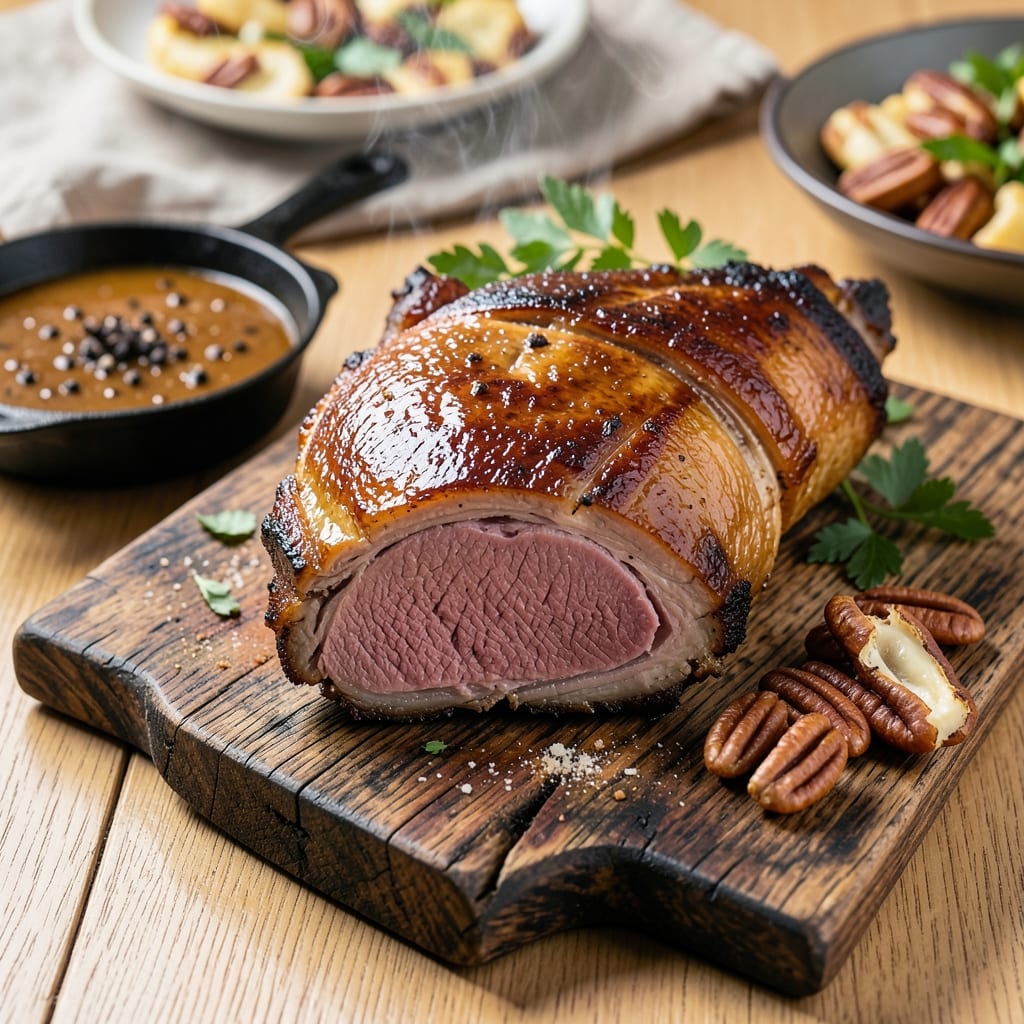
This beef arm roast smoker recipe delivers restaurant-quality tenderness with deep smoky flavor in just 6 hours—the perfect project for weekend smoking sessions. 🔥 The secret lies in the cut itself: leaner than a brisket but packed with connective tissue that transforms into melt-in-your-mouth perfection when smoked low and slow. I’ve perfected this technique over years of testing, balancing traditional Texas-style prep with modern finishing touches for foolproof results every time.
The process starts with proper trimming and seasoning—no fancy rubs needed, just a simple blend of salt, pepper, and garlic powder to let the beef’s natural flavor shine. Using hickory or pecan wood creates that classic smoky depth, while maintaining a steady 225°F ensures even cooking without drying out the meat. The key moment comes when the internal temperature hits 195°F, signaling it’s ready to rest and develop its legendary texture.
What you’ll end up with is a fall-apart roast that slices effortlessly, offering rich, beefy bites with a perfect balance of smokiness and tenderness. The crust forms a beautiful bark, while the interior remains juicy and flavorful—ideal for feeding a crowd or meal prepping for the week. Serve with classic smoked sides like potatoes or grilled vegetables, and pair with a bold red wine for the full experience.
This recipe works whether you’re using a whole arm roast or butterflying it for faster cooking—both methods yield exceptional results. The beauty of smoking lies in its flexibility, making this dish equally impressive for backyard gatherings or intimate family dinners. Let’s get started on creating your most tender, flavorful arm roast yet.
Ingredients for beef arm roast smoker
The core ingredients for smoky, fall-apart beef arm roast—simple yet transformative when smoked low and slow.
| Ingredient | Amount | Notes |
|---|---|---|
| Beef Arm Roast 🥩 | 6 lb | Whole or butterflied, trimmed of excess fat |
| Kosher Salt 🧂 | 1 ½ tbsp | Diamond Crystal preferred for even distribution |
| Freshly Ground Black Pepper 🌶️ | 1 ½ tsp | Freshly cracked for maximum flavor |
| Garlic Powder 🧄 | 1 tbsp | Freshly ground preferred |
| Hickory Wood Chips 🌳 | 1 package | Unsoaked, for smoker |
| Pecan Wood Chips 🌳 | ½ package | Unsoaked, for additional flavor |
| Beef Tallow or Vegetable Oil 🫒 | 2 tbsp | For oiling the roast |
| Yellow Onion 🧅 | 1 whole | For trimming excess fat |
| Fresh Rosemary 🌿 | 2 sprigs | Optional for garnish |
| Fresh Thyme 🌿 | 2 sprigs | Optional for garnish |
| Apple Cider Vinegar 🍎 | 2 tbsp | For spritzing during smoke |
| Butter 🧈 | ½ cup | Unsalted, for basting |
| Beef Broth 💧 | ½ cup | Low-sodium, for basting |
The beef arm roast is the star, and Costco or your local butcher are the best places to find a well-marbled cut—look for good fat distribution, not just size. If you're butterflying it, ask the butcher to do it for you; it's a skill that makes all the difference. Hickory and pecan wood chips are essential for that classic Texas-style smoke, but if you can't find them, oak works in a pinch. The wood chips should be unsoaked—soaking can create too much steam and dilute the smoke flavor. For the seasoning, Diamond Crystal kosher salt
No hickory or pecan? Oak or cherry wood chips will still give you great smoke, though the flavor profile shifts slightly. If you're out of garlic powder, fresh minced garlic at double the amount works beautifully—just be prepared for more aroma. The beef tallow or oil is crucial for creating a crisp bark, but if you're vegetarian, vegetable oil or avocado oil will do the trick. For the spritz, apple cider vinegar adds tanginess, but white vinegar or even beef broth will keep the meat moist. The butter and beef broth for basting? Store-bought low-sodium broth is fine, but homemade always tastes better. This roast develops best when smoked at 225°F for hours, so plan ahead. The wood chips will last about 3-4 hours before needing a refresh, so stock up. Once done, let the roast rest for at least 30 minutes before slicing—this is non-negotiable for juicy results. The leftovers? 5-6 days in the fridge, or freeze for up to 3 months. I always make extra because it reheats beautifully—just slice it thin and warm it in the oven with a splash of beef broth.
Why You'll Love This Recipe
- Smoke in Minutes: The arm roast goes on the smoker wet with just salt, pepper, and garlic powder—no fancy rubs, no stress. I’m talking 15 minutes of prep max, then hands-off time while the smoker does all the work with those hickory chips.
- Deep Smoky Crust: That first bite? The bark is crackling from the hickory, while inside it stays tender as butter. Honestly, the garlic powder isn’t just flavor—it melts into the meat, making every slice taste like it’s been slow-cooked all day.
- Leftovers for Days: One roast feeds my family for three meals: sandwiches, tacos, or even chili. Between us, I’d rather have this in the fridge than takeout—it’s cheaper, and the flavor only gets better after a day or two.
- Weeknight Crowd-Pleaser: No one turns down smoked beef, and this works for game days, potlucks, or just because. I’ll be real: my kids think it’s “fancy,” but it’s really just a simple roast with a smoky twist that always gets seconds.
Step-by-step instructions for smoky beef arm roast
Here's how to transform your beef arm roast into melt-in-your-mouth perfection with deep smoky flavor.
🔥 Step 1: Prep the Roast with Dry Rub
Start by trimming any visible fat from the beef arm roast using a sharp boning knife, leaving just a thin layer for flavor. The roast should weigh about 6 pounds after trimming. Pat it completely dry with paper towels—this step is crucial for that perfect bark later.
In a small bowl, combine the 1.5 tablespoons kosher salt, 1.5 teaspoons freshly ground black pepper, and 1 tablespoon garlic powder. Rub this mixture all over the roast, pressing firmly so the spices adhere. Don't forget the crevices and edges—every surface needs that flavor infusion. Let the seasoned roast sit at room temperature for 30 minutes before smoking to ensure even cooking.
🔥 Step 2: Set Up Your Smoker
Combine the 1 package hickory wood chips and ½ package pecan wood chips in your smoker's chip tray. Soak them only if your smoker requires it—most modern smokers work best with dry chips. Set your smoker to 225°F and let it preheat for at least 30 minutes until you see steady, thin blue smoke (not thick white steam).
While the smoker heats up, prepare the beef tallow or vegetable oil. Brush the roast generously with the 2 tablespoons beef tallow or vegetable oil to create a barrier that helps the bark form. Place the roast fat-side up on the smoker grates—this allows the rendered fat to baste the meat as it cooks. The onion can be used here to trim excess fat if needed, but save the sprigs of rosemary and thyme for later.
⏰ Step 3: Smoke Low and Slow
Put the roast on the smoker and close the lid immediately. Resist the urge to peek—every time you open it, you lose heat and moisture. Smoke the roast for 4-5 hours at 225°F, maintaining a consistent temperature. About halfway through, spritz the roast with a mixture of 2 tablespoons apple cider vinegar and ½ cup beef broth to keep it moist and add depth of flavor.
You'll know it's approaching the stall (when the internal temperature stops rising) when it reaches around 160°F. This is normal and happens as moisture evaporates. Don't panic—just keep smoking. The goal is to reach an internal temperature of 195-203°F in the thickest part of the roast, which typically takes the full 6 hours.
🍳 Step 4: Rest and Baste for Maximum Tenderness
Once the roast reaches the target internal temperature, remove it from the smoker and transfer it to a cutting board. Let it rest for at least 30 minutes (up to 1 hour is ideal) before slicing. During this time, melt the ½ cup butter in a small saucepan over low heat, then add the reserved sprigs of rosemary and thyme. Simmer for 2 minutes to infuse the butter with herb flavor.
After resting, slice the roast against the grain into ¼-inch thick slices. Arrange the slices on a serving platter and spoon the herb-infused butter over the top. The roast should be fork-tender, falling apart easily with minimal pressure. Garnish with any remaining rosemary and thyme sprigs for a beautiful presentation.
Pro Tips For Making Beef Arm Roast Smoker
- CRANK THE SMOKER TO 225°F: Start your beef arm roast on the hottest setting your smoker can handle—around 300°F—for the first 30 minutes. This sears the surface, locks in juices, and gives that deep smoky bark before you drop to 225°F. I used to skip this, and my roast always ended up too soft and bland.
- DRY THE ROAST LIKE IT’S A SUNBAKED DESERT: Pat that beef arm roast thoroughly with paper towels—no wet spots, not even near the edges. A dry surface = better bark and less steam that’ll turn your smoker into a sad, soggy sauna. I learned this the hard way when my first batch came out looking like it’d been boiled.
- DON’T PEEK OR MOVE IT: Resist the urge to open the smoker lid or flip the roast—even once. Every time you crack it open, you’re dropping the temperature and letting heat escape. Let that arm roast do its thing undisturbed for at least 4-5 hours, or until it hits 130°F internally. Patience here = tender, fall-apart meat.
- SALT IT THE NIGHT BEFORE: Apply your kosher salt and garlic powder mix 24 hours ahead of smoking. This lets the salt penetrate deeply and season the meat evenly—no need to worry about uneven crusts or dry spots. I was skeptical until I tried it, and now I never go back.
Serving suggestions for beef arm roast smoker
Classic Smoked Sides
Serve your beef arm roast with smoked baby potatoes—toss 2 lbs baby potatoes in 2 tbsp olive oil, 1 tsp smoked paprika, and 1 tsp kosher salt. Smoke alongside the roast at 225°F for 2-3 hours until tender. The smoky flavor mirrors the roast perfectly. 🌟
For a hearty side, try smoked corn on the cob—brush 8 ears of corn with 2 tbsp melted butter and 1 tsp garlic powder. Smoke for 1 hour at 225°F until charred. The sweetness pairs beautifully with the beef’s richness.
Fresh Vegetable Contrast
Balance the smoky beef with grilled asparagus—toss 1 bunch asparagus in 1 tbsp olive oil, ½ tsp black pepper, and ½ tsp garlic powder. Grill for 4-5 minutes per side until tender-crisp. The bright green color and slight char add freshness to the plate.
A smoked tomato and onion salad is another winner—slice 4 ripe tomatoes and 1 red onion, then toss with 2 tbsp balsamic vinegar and 1 tbsp olive oil. Smoke the veggies at 225°F for 30 minutes before mixing. The smoky-sweet flavors elevate the dish.
Sauce Pairings
Drizzle the roast with a red wine reduction—simmer 1 cup red wine, 2 tbsp beef broth, and 1 tbsp butter until reduced by half. The acidity cuts through the fat, while the wine deepens the beef’s flavor. 🍷
For a tangy twist, try a horseradish cream—whisk ½ cup sour cream, 1 tbsp prepared horseradish, and 1 tsp lemon juice. The sharpness contrasts the smoky richness beautifully.
Beverage Recommendations
Pair your smoked beef with a bold Cabernet Sauvignon—its dark fruit notes and tannins stand up to the smoky, fatty flavors. A Napa Valley Cab or Argentinian Malbec works perfectly. 🍷
For beer lovers, a smoked porter or dark ale complements the smoky profile. Brands like Founders Kentucky Breakfast Stout or Deschutes The Abyss add a malty depth that enhances the meal.
Nutrition facts
Frequently asked questions
What’s the difference between smoking a whole beef arm roast vs. butterflying it?
Butterflying (cutting the roast horizontally) reduces cooking time by 2-3 hours while keeping the same tender results. A whole roast develops deeper flavor but requires 6+ hours at 225°F. For beginners, butterflying is easier to monitor and slice—just ask your butcher to do it for you!
Can I use this recipe with a different wood type?
While hickory and pecan give classic Texas-style smoke, oak or cherry work well too. Avoid fruitwoods like apple or cherry if you prefer a more neutral profile—they can overpower the beef’s natural flavor. Experiment with blends for unique twists!
Why does my smoked beef arm roast turn out dry?
Overcooking or opening the smoker too often causes moisture loss. Keep the lid closed and aim for 195-203°F internal temp. Spritzing with apple cider vinegar + beef broth every 90 minutes helps retain juices. The 30-minute rest is non-negotiable—it lets juices redistribute!
How do I know when the roast is done?
Use a meat thermometer—probe the thickest part (avoiding fat). It’s ready at 195-203°F (probe should slide in like butter). The bark should be dark and crispy, and the meat should pull apart easily. If it’s 160°F and stalled, just keep smoking!
What’s the best way to reheat leftovers?
Slice thinly and reheat in a 350°F oven for 10-15 minutes with a splash of beef broth. Avoid microwaving—it makes the meat tough. For sandwiches, warm slices on a skillet until crispy. Leftovers keep 5-6 days refrigerated or 3 months frozen.