
Soups & Stews
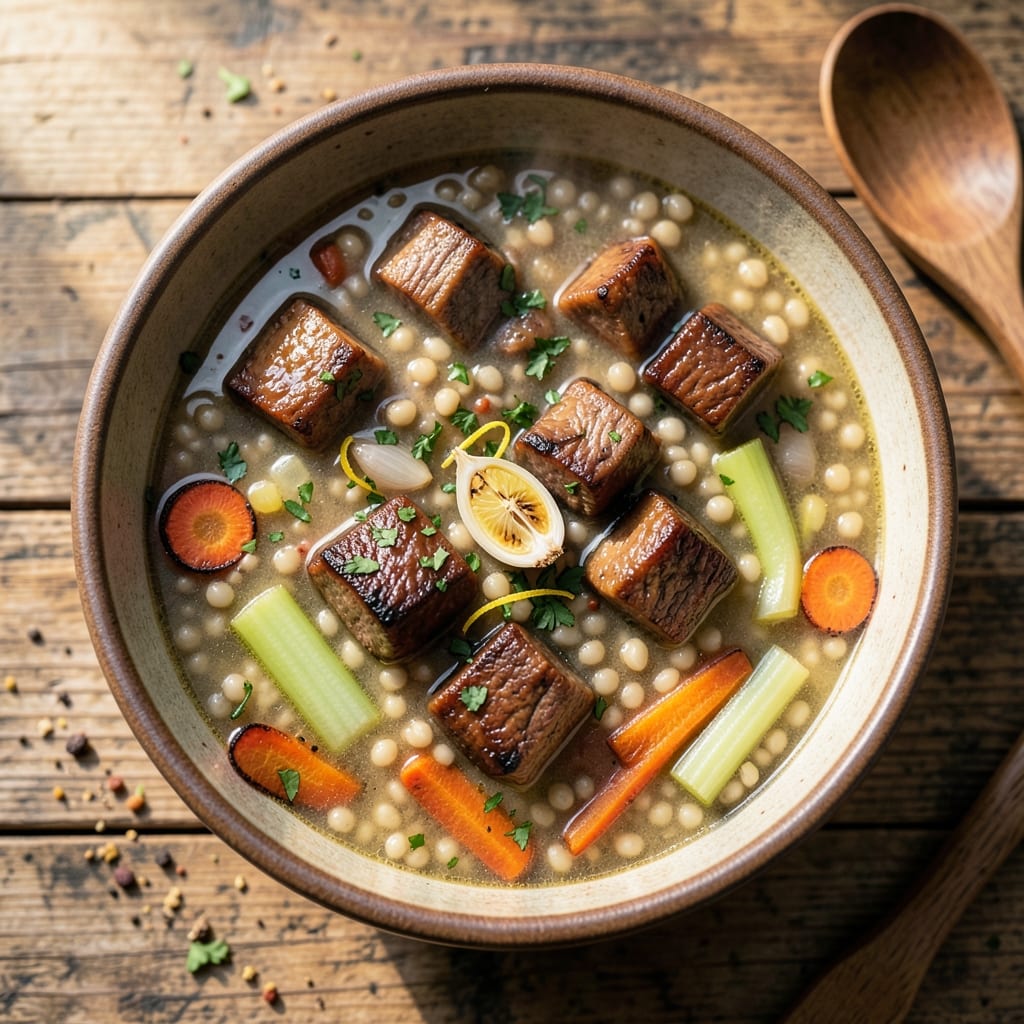
This beef barley soup pressure cooker recipe transforms tough cuts into melt-in-your-mouth beef and chewy barley in just 30 minutes—no long simmering required. The secret lies in the pressure cooker’s ability to tenderize meat and cook grains simultaneously, delivering restaurant-quality depth with minimal effort. Perfect for busy weeknights or cozy weekends, this soup balances hearty protein, nutty barley, and vibrant vegetables in a rich, savory broth.
The beauty of this method is its efficiency: while traditional stovetop versions demand hours of simmering, the pressure cooker achieves the same results in a fraction of the time. We’ll focus on tender beef (using chuck or stew meat) and chewy barley (pearl or whole grain) that absorbs the flavorful broth without turning mushy. Safety comes first—we’ll cover pressure cooker basics to ensure foolproof execution, whether you’re using stovetop or electric models.
What you’ll end up with is a steaming bowl of soup where each spoonful delivers tender beef, chewy barley, and a broth infused with carrots, celery, and aromatic herbs. The pressure cooker’s high heat breaks down collagen in the beef, creating a naturally rich sauce that coats every ingredient. Garnish with fresh parsley or a sprinkle of black pepper for a finishing touch that elevates the dish.
This recipe scales effortlessly—double it for a crowd or halve it for leftovers that reheat beautifully. The versatility of the pressure cooker means you can adjust cooking times for different cuts of beef or add extra vegetables like mushrooms or spinach. Whether you’re feeding a family or meal prepping for the week, this soup delivers comfort and nutrition in one bowl.
Ingredients for beef barley soup pressure cooker
Sixteen ingredients, one pressure cooker, and a bowl of restaurant-quality comfort in 30 minutes.
| Ingredient | Amount | Notes |
|---|---|---|
| Beef Chuck Roast 🥩 | 2 lb | Cut into 1.5-inch cubes |
| Pearl Barley 🌾 | 1 cup | Uncooked, rinsed thoroughly |
| Yellow Onion 🧅 | 1 whole | Medium size, diced |
| Carrots 🥕 | 4 medium | Peeled, cut into chunks |
| Celery Stalks 🧄 | 3 whole | Trimmed, chopped |
| Garlic Cloves 🧄 | 4 cloves | Peeled, minced |
| Beef Broth 💧 | 4 cups | Low-sodium preferred |
| Tomato Paste 🍅 | 2 tbsp | Smooth, not chunky |
| Dried Thyme 🌿 | 1 tsp | Or 1 tbsp fresh thyme |
| Bay Leaves 🍃 | 2 whole | Fresh, not dried |
| Salt 🧂 | 1 ½ tsp | Diamond Crystal preferred |
| Black Peppercorns 🌶️ | ½ tsp | Freshly cracked |
| Fresh Parsley 🌿 | ¼ cup | Chopped, for garnish |
| Olive Oil 🫒 | 1 tbsp | Extra-virgin for richness |
The beef is where this soup shines. Chuck roast delivers that melt-in-your-mouth texture—don't substitute sirloin or ribeye, they won't tenderize properly. Most grocery stores sell it pre-cut, but if you're buying a whole roast, ask the butcher to cube it for you. Costco and Walmart often have it pre-portioned in the meat section. For barley, pearl barley is the gold standard here—it stays chewy and absorbs flavor beautifully. If you can only find whole grain, it'll take slightly longer to cook but works just fine. Rinse it well before adding to remove any bitterness.
No beef broth? Vegetable broth with 1 tbsp soy sauce works in a pinch, though the flavor won't be identical. Fresh thyme is ideal but dried works at one-third the amount. The tomato paste can be skipped if you're watching acidity, but it adds that deep, umami richness. For extra depth, add a pinch of smoked paprika—it gives the broth a subtle smokiness without overpowering. The carrots and celery can be swapped for any root vegetables you have on hand (parsnips, potatoes, or even sweet potatoes). Just keep the total volume similar to maintain the broth-to-vegetable ratio.
This soup tastes even better the next day as flavors meld together. Store leftovers in an airtight container in the fridge for up to 5 days. For freezing, portion into individual containers—it reheats perfectly in the microwave or on the stovetop. The barley will soften slightly when reheated, so it's best to freeze it separately if you're worried about texture. If you've got extra broth, freeze it in ice cube trays for later use in other recipes. The fresh parsley can be added back after reheating for that bright pop of color and freshness.
Why You'll Love This Recipe
- Pressure-Cooker Magic: I swear by this method—tender beef and chewy barley cook together in one cycle while I load the dishwasher. No simmering, no babysitting, just set-and-forget perfection.
- Deep Umami Bomb: That beef chuck roast? It melts into the broth like a dream, while the onions and celery build layers of savory warmth. Honestly, the first bite makes me pause mid-spoonful.
- Meal-Prep MVP: Make a double batch on Sunday—this soup only gets better the next day. I freeze portions for lazy Mondays or toss it into salads for texture. (Yes, even on a Tuesday night.)
- Budget-Friendly Powerhouse: A pound of chuck roast and a bag of barley stretch across three meals for my family of four. The carrots and celery add color without breaking the bank—plus, the barley’s natural heartiness keeps everyone full.
Step-by-step instructions for beef barley soup in a pressure cooker
This method delivers restaurant-quality soup with melt-in-your-mouth beef and perfectly chewy barley.
Sear the Beef for Deep Flavor
Set your pressure cooker to "Sauté" mode and add the 1 tablespoon olive oil. Once shimmering, add the 2 lb beef chuck roast cut into 1.5-inch cubes, working in batches if needed. Sear for 3-4 minutes per side until deeply browned—this creates the rich foundation for your soup. The beef should develop a caramelized crust that releases easily from the pot.
As you sear, remove the browned beef and set aside. This prevents overcrowding, which would steam the meat instead of searing it. You'll notice the pot smells intensely of beef—this is where all the deep flavor begins. Real talk: don't skip this step. The Maillard reaction happening here is what makes homemade soup taste so much better than canned versions.
Build the Aromatic Base
In the same pot, add the 1 whole yellow onion (diced), 4 medium carrots (chopped), and 3 whole celery stalks (chopped). Cook for 5-6 minutes until the vegetables soften slightly and begin to caramelize. Add the 4 cloves garlic (minced) and cook for 30 seconds until fragrant—this prevents the garlic from burning, which would make the soup bitter.
Stir in the 2 tablespoons tomato paste and cook for 1 minute to deepen the color and flavor. This step develops the soup's base complexity. The tomato paste adds a subtle sweetness that balances the richness of the beef. Here's where it gets fun—toss in the 1 teaspoon dried thyme and 2 whole bay leaves, stirring to coat everything in these aromatic spices.
Pressure Cook Until Tender
Add the seared beef back to the pot, along with the 1 cup pearl barley (rinsed), 4 cups beef broth, 1.5 teaspoons salt, and 0.5 teaspoon black peppercorns. Secure the lid and set to high pressure for 25 minutes. The barley needs this time to soften properly while the beef becomes fork-tender—you'll know it's ready when a fork slides in easily and the beef pulls apart with gentle pressure.
I press down gently on the beef with a fork during the last 5 minutes of cooking to ensure it breaks down completely. The pressure cooker creates an environment where the barley absorbs flavor while maintaining its satisfying chewiness. Don't be tempted to check on it early—the pressure build-up is what does the work here.
Finish and Garnish
Once cooking is complete, allow the pressure to release naturally for 10 minutes, then quick-release the remaining pressure. Remove the bay leaves and stir in the 0.25 cup fresh parsley (chopped). The parsley adds a bright finish that cuts through the richness of the beef and barley. Taste and adjust seasoning—you might need a touch more salt since the barley absorbs some of the broth's flavor during cooking.
Ladle the soup into bowls immediately—this ensures the barley maintains its perfect texture. Garnish with additional parsley if desired. Each spoonful should deliver tender beef, hearty barley, and a rich broth that's perfectly balanced. The beauty of this method is that you get all that comforting, homey flavor without spending hours in the kitchen.
Pro Tips For Making Beef Barley Soup Pressure Cooker
- SEAR THE ROAST FIRST: That pressure cooker might seem like a shortcut, but skipping the sear means flavorless broth—especially with tough chuck roast. Brown the meat in batches on high heat until deep brown, then deglaze with a splash of water or beer before adding everything else. (Yes, it takes 10 extra minutes, but your soup will taste like it simmered all day.)
- CHOP VEGETABLES UNIFORM: I used to toss in carrots and celery in random sizes, and they’d end up mushy or rock-hard. Cut everything—onions, carrots, celery—into ½-inch pieces so they cook evenly in the pressure cooker’s steam. No one wants a soup where you’re picking out al dente celery stalks.
- DON’T SKIP THE NATURAL RELEASE: After cooking, resist the urge to pop the lid the second the pressure drops. Let the soup sit for 10 minutes to let the barley finish absorbing liquid—this prevents a watery soup and ensures the barley is tender, not gummy. (I learned this after serving a batch where the barley was still crunchy.)
- USE COLD BARLEY: Pearl barley expands when cooked, so add it dry and cold to the pressure cooker instead of pre-soaking or heating it first. This keeps the grains intact and prevents a gluey texture. Just stir it in with the broth at the end of the cook time—no fuss, just perfect barley every time.
Wine and beer pairings for these flavors
Red Wine Classics
A bold Cabernet Sauvignon from Napa Valley—with its dark fruit notes and firm tannins—stands up beautifully to the hearty beef and barley. I reach for Louis M. Martini Cabernet Sauvignon from their Reserve line, as its black cherry and vanilla undertones complement the soup's savory depth without overpowering it. The wine's acidity also helps cleanse your palate between spoonfuls. 🍷
Crisp White Options
For those preferring white wine, a Chardonnay with subtle oak notes works surprisingly well. I love Kim Crawford Sauvignon Blanc (yes, it's technically a SB, but its citrus and mineral notes shine) or Meiomi Pinot Noir for a lighter red option. The acidity in these wines cuts through the richness while enhancing the barley's nutty flavor. Avoid heavy, oaked Chardonnays—they can make the soup taste flat.
Beer Pairings
A German-style Märzen like Weihenstephaner Original brings malty sweetness and caramel notes that mirror the caramelized onions in the soup. For a lighter option, try a Belgian witbier such as Hoegaarden—its coriander and citrus notes add a refreshing contrast. Darker beers like Guinness or Samuel Adams Nut Brown Ale work too, but they can overpower the delicate herbs, so sip them carefully.
Non-Alcoholic Choices
Don't overlook sparkling water with a squeeze of lemon or a ginger beer like Feather's Ginger Beer for a zesty kick. The effervescence cleanses your palate between bites, while the ginger complements the soup's warming spices. For something heartier, try a sparkling cranberry juice—it adds a tart brightness that pairs wonderfully with the beef's richness. 💫
Regional Wine Tips
If you're in California, opt for local Zinfandels—their jammy fruit and spice notes enhance the soup's depth. In New York, a Riesling (off-dry style) adds sweetness that balances the savory flavors. For Texas, try a Tempranillo—its leather and tobacco notes create an unexpected but delicious contrast. Always let your wine breathe for 10-15 minutes before pouring to enhance its aromas.
Nutrition facts
Frequently asked questions
Can I use a different cut of beef for this pressure cooker recipe?
While chuck roast is ideal for its tenderness, you can substitute with stew meat or brisket—both work well in pressure cookers. Avoid lean cuts like sirloin or tenderloin, as they won't tenderize properly. If using brisket, increase cooking time by 5-10 minutes to ensure full doneness. For best results, cut all beef into 1.5-inch cubes to ensure even cooking.
Why does the barley turn mushy in my pressure cooker?
Overcooking is the most common culprit! Pearl barley should cook for exactly 25 minutes on high pressure. If it's still firm, cook 5 more minutes—but never exceed 30 minutes or it will break down completely. Always use fresh, uncooked barley (never pre-cooked) and rinse it thoroughly before adding to remove excess starch. The natural release time also helps maintain texture.
How do I adjust this recipe for an Instant Pot vs. stovetop pressure cooker?
For Instant Pot users, follow the recipe exactly—it's designed for electric models. For stovetop pressure cookers, use the same cooking time (25 minutes on high pressure) but monitor the gauge closely. Stovetop models often require 10-15 minutes longer to build pressure. Never exceed the manufacturer's recommended pressure levels, and always use a 10-minute natural release followed by quick release.
Can I make this soup ahead of time?
This soup tastes even better the next day! Store leftovers in an airtight container in the fridge for up to 5 days. The flavors meld beautifully, and the barley continues to absorb the rich broth. For freezing, portion into individual containers—it reheats perfectly in the microwave or on the stovetop. The barley may soften slightly when reheated, so it's best to freeze it separately if you're concerned about texture.
What if I don't have fresh parsley for garnish?
No problem! Swap fresh parsley for dried parsley (use 1 teaspoon instead of 0.25 cup fresh) or other fresh herbs like cilantro or thyme. For a non-herb option, try a sprinkle of crumbled feta cheese or toasted breadcrumbs for texture. The key is adding something bright to contrast the rich beef and barley flavors—even a pinch of red pepper flakes adds a nice kick!