
Soups & Stews
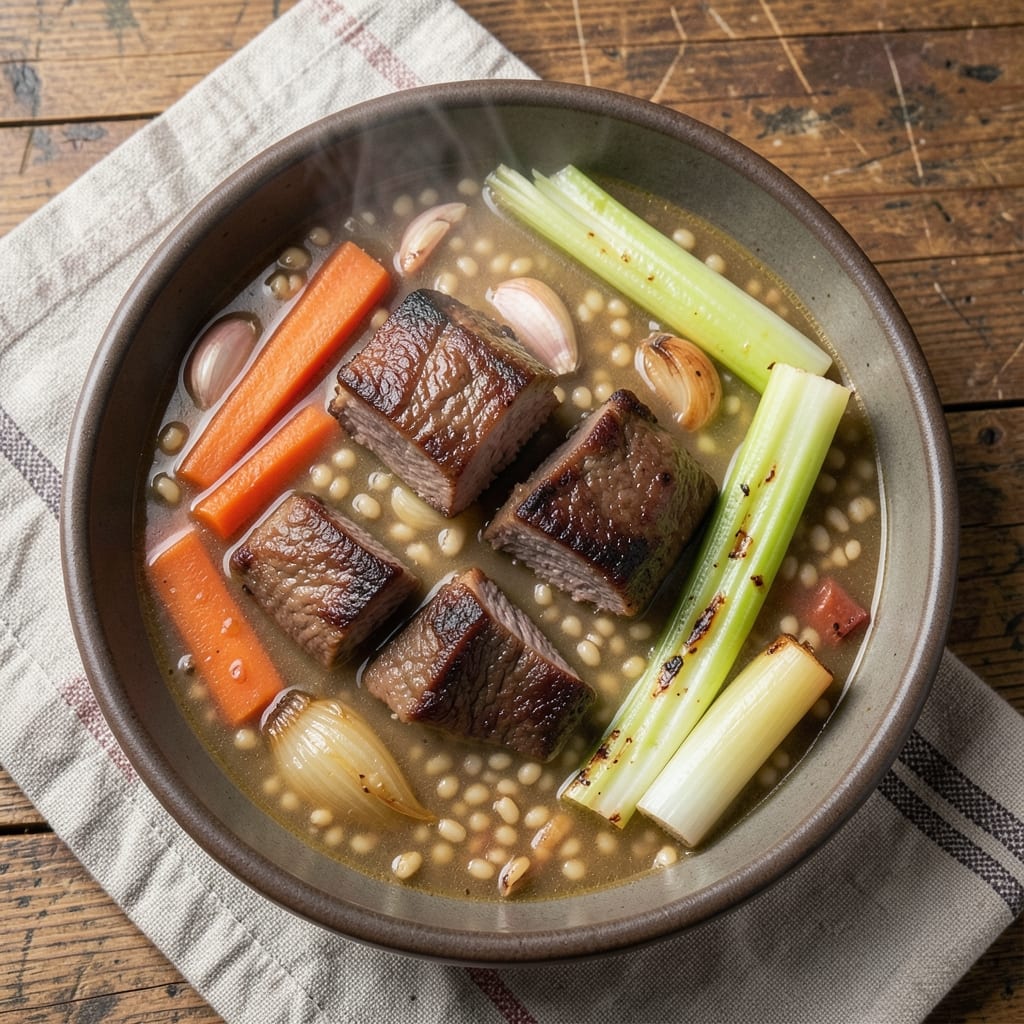
Transforming leftover beef roast into this beef barley soup turns dinner scraps into a hearty, comforting meal that tastes like a restaurant classic. The key lies in building rich, savory broth from the roast's bones and meat, then letting barley and vegetables simmer until tender and flavorful. This method ensures every bite delivers deep umami and satisfying texture—perfect for chilly evenings or when you want to stretch a meal without sacrificing quality.
What sets this recipe apart is its ability to elevate simple ingredients through proper technique: browning the roast for depth, simmering low and slow for tenderness, and balancing barley with carrots, celery, and onions for classic flavor. The result is a soup that's naturally rich without heavy cream, with barley that cooks perfectly—firm yet creamy. It's the kind of dish that warms both body and soul, especially when paired with crusty bread to soak up every drop.
The beauty of this recipe is its versatility—use store-bought broth for convenience or make your own from the roast's bones for maximum flavor. Optional garnishes like fresh parsley or a drizzle of olive oil add brightness, while a sprinkle of black pepper enhances the soup's natural richness. Each step builds on the last, ensuring a foolproof process that delivers restaurant-quality results at home.
Whether you're feeding a family or meal prepping for the week, this soup transforms leftovers into something extraordinary. The slow simmer develops complex flavors, while the barley adds hearty substance that keeps everyone satisfied. Ready in about 90 minutes, it's the perfect way to repurpose roast beef without wasting a single bite.
Ingredients for beef barley soup recipe with leftover beef roast
Leftover roast, humble vegetables, and slow simmering create this restaurant-worthy beef barley soup.
| Ingredient | Amount | Notes |
|---|---|---|
| Leftover Beef Roast 🥩 | 2 lbs | With bones for rich broth |
| Barley 🌾 | 1 cup | Pearl barley, rinsed well |
| Yellow Onion 🧅 | 1 whole | Medium size, chopped |
| Carrots 🥕 | 4 medium | Peeled, cut into chunks |
| Celery Stalks 🧄 | 4 pieces | Trimmed, chopped |
| Garlic Cloves 🧄 | 4 cloves | Peeled, minced |
| Tomato Paste 🍅 | ½ cup | High quality, smooth |
| Beef Broth 💧 | 4 cups | Homemade or premium store-bought |
| Red Wine 🍷 | ½ cup | Dry, like Cabernet Sauvignon |
| Fresh Thyme 🌿 | 2 sprigs | Or 1 tsp dried thyme |
| Fresh Parsley 🌿 | ¼ cup | Chopped, for garnish |
| Olive Oil 🫒 | 2 tbsp | Extra-virgin for browning |
| Salt 🧂 | 1 ½ tsp | Diamond Crystal preferred |
| Black Pepper 🌶️ | 1 tsp | Freshly ground for heat |
| Bay Leaves 🍃 | 2 whole | Removed before serving |
The beef roast is the foundation—use bones for maximum flavor. Costco or Whole Foods often have high-quality roasts with good marbling. If your roast lacks bones, add 2 beef bouillon cubes to the broth for depth. Barley should be pearl variety, not instant—it cooks up firmer and more satisfying. For vegetables, organic carrots and celery from the store's produce section stay fresher longer. The tomato paste is non-negotiable for that umami punch—San Marzano if you want to splurge, but any good brand works.
No red wine? Substitute with 1/2 cup additional beef broth plus 1 tbsp balsamic vinegar. Fresh thyme is ideal, but dried at one-third the amount works in a pinch. The celery and carrots can be swapped for fennel or parsnips if you're feeling adventurous. For a quicker version, use pre-chopped mirepoix from the frozen section—just thaw and measure. The bay leaves add subtle earthiness; if you hate them, skip them entirely. For extra richness, stir in 1 tbsp Worcestershire sauce at the end (ensure it's vegetarian if needed).
This soup tastes even better the next day as flavors meld. Store in the fridge for up to 5 days or freeze for 3 months. The barley thickens when chilled, so add a splash of broth when reheating. For meal prep, portion into containers with a layer of broth on top to preserve freshness. Garnish with fresh parsley just before serving—it brightens the dish and adds that restaurant touch. The soup reheats beautifully on the stove over medium-low heat, stirring occasionally to prevent scorching.
Why You'll Love This Recipe
- No Chopping Chaos: I swear by this trick—just dice the onions, carrots, and celery once, toss them in the pot, and let the beef roast do the rest. The barley softens everything while you’re doing other things, so you’re not stuck stirring for hours.
- Umami Goldmine: That leftover roast? It’s the star. The rich, deep flavor from slow-cooked beef marries perfectly with the barley’s chewy bite, while the onions and carrots caramelize just enough to add sweetness. Honestly, it’s the kind of taste that makes you forget you’re using leftovers.
- Weeknight to Potluck: This soup is my go-to for lazy nights and Sunday gatherings. Double the batch, and you’ve got a crowd-pleaser that’s hearty enough for a chilly afternoon or a quick dinner. My husband even brings it to work—yes, even on a Tuesday.
- Zero-Waste Win: Turns beef roast scraps into something spectacular without extra cost. The barley adds substance, so you’re not just reheating meat—you’re making a meal. Plus, it reheats beautifully, so lunch the next day is just as good as dinner.
Step-by-step instructions for beef barley soup with leftover roast
Transform your leftover beef roast into a deeply flavorful, comforting soup with this method.
Sear the Beef Roast for Maximum Flavor
Pat the 2 lbs leftover beef roast dry with paper towels, removing any excess fat or connective tissue that might cloud the broth. Heat 2 tbsp olive oil in a large Dutch oven or heavy pot over medium-high heat until shimmering. Working in batches if needed, sear the beef on all sides until deeply browned, about 3-4 minutes per side. This step develops the rich, caramelized foundation for your soup.
The reason we sear is simple: those browned bits, called fond, dissolve into the broth during simmering, creating layers of umami depth. Don't rush this step—you want the beef to develop a good crust. If the pan gets too crowded, work in batches to maintain proper heat. Transfer the seared beef to a plate and set aside temporarily.
Build the Aromatic Base with Vegetables and Wine
In the same pot, add 1 whole yellow onion, 4 medium carrots, and 4 pieces celery stalks, all cut into ½-inch chunks. Cook over medium heat for 8-10 minutes, stirring occasionally, until the vegetables soften and begin to caramelize. Add 4 cloves minced garlic and cook for an additional 30 seconds until fragrant.
Here's where the magic happens: pour in 0.5 cup red wine, scraping up any browned bits from the bottom of the pot with a wooden spoon. This technique, called deglazing, captures all the concentrated flavor that would otherwise stick to the pan. Let the wine simmer for 2-3 minutes until reduced by half, allowing its acidity to cut through the richness of the beef.
Develop the Rich Broth with Tomato Paste and Herbs
Stir in 0.5 cup tomato paste and cook for 1 minute to toast its flavor. Add 4 cups beef broth, 2 sprigs fresh thyme, 2 whole bay leaves, 1.5 tsp salt, and 1 tsp black pepper. Return the seared beef roast to the pot, along with any accumulated juices. Bring the mixture to a gentle boil over high heat, then reduce heat to low to maintain a simmer.
This is the moment that matters: the broth should just barely bubble with occasional small bubbles breaking the surface. If it boils vigorously, the barley will cook unevenly and release excess starch. Skim off any foam that rises to the surface during the first 10 minutes of simmering—this ensures a clear, clean broth without impurities.
Cook the Barley Until Tender and Flavorful
Add 1 cup rinsed barley to the pot. The barley should be fully submerged in the broth—if not, add a splash of water to cover it completely. Return to a simmer and cook uncovered for 45-50 minutes, stirring occasionally. The barley is done when it's tender but still has a slight bite, and the broth has thickened slightly from the released starch.
To check doneness, taste a grain of barley—it should be soft but not mushy. If you're unsure, cook for another 5 minutes and check again. Overcooking barley turns it pasty, which ruins the soup's texture. If the broth reduces too much during cooking, add ½ cup water to maintain the proper consistency.
Finish and Serve with Fresh Herbs
Remove the beef roast from the pot and let it rest on a cutting board for 5 minutes. Strain the broth through a fine-mesh sieve into a clean pot if you prefer a smoother texture, or leave it slightly cloudy for heartier flavor. Shred the beef using two forks, discarding any large bones or gristle. Return the shredded beef to the pot along with any accumulated juices.
Stir in 0.25 cup chopped fresh parsley just before serving to brighten the soup with freshness. Taste and adjust seasoning if needed—sometimes the rich flavors of the beef need a touch more salt or pepper. Ladle the soup into bowls, garnishing each serving with a sprinkle of parsley and a bay leaf removed before serving. Serve immediately with crusty bread to soak up every last drop of that deeply flavorful broth.
Pro Tips For Making Beef Barley Soup Recipe With Leftover Beef Roast
- SHRED THE ROAST FIRST: Cut the leftover beef against the grain into ½-inch strips before adding it to the pot—this ensures every bite is tender, not chewy. (I used to skip this and ended up with a forkful of rubbery meat every time.)
- SOAK BARLEY 30 MINUTES: Skip the mushy texture by soaking pearl barley in cold water for 30 minutes before cooking—it cuts down on cooking time and keeps the grains intact. (Yes, even if you're impatient like me, this makes a real difference.)
- SWEAT VEGETABLES LOW AND SLOW: Cook onions, carrots, and celery in a dry pot over medium-low heat for 10 minutes before adding liquid—they’ll develop deeper flavor without burning. (After burning three batches, I finally figured out this isn’t the time to rush.)
- ADD BROTH IN STAGES: Start with half the broth, simmer until the barley softens slightly, then add the rest—this prevents the soup from turning watery as the barley absorbs liquid. (Your future self will thank you.)
Wine and beer pairings for this dish
Red Wine Pairings
A bold, dry red wine like Cabernet Sauvignon or Malbec complements this soup beautifully. The tannins in these wines cut through the soup's richness while enhancing the beef's depth. I recommend a 2018 Argentine Malbec from Mendoza—its dark fruit flavors and smooth finish mirror the soup's umami notes. Serve slightly chilled (60-65°F) to highlight the wine's structure without overwhelming the dish. 🍷
Light Beer Options
For beer lovers, a crisp German Helles Lager or Belgian Witbier provides refreshing contrast. The subtle malt sweetness of Weihenstephaner Original balances the soup's savory flavors, while the citrusy notes in Hoegaarden add brightness. Avoid heavy stouts or IPAs—they'll clash with the barley's earthiness. Serve at 45-50°F to preserve the beer's crispness.
White Wine Alternatives
If red wine isn't your preference, try a full-bodied white like Chardonnay with noticeable oak. A 2017 Sonoma Coast Chardonnay offers buttery richness that pairs surprisingly well with the beef. For something lighter, a dry Riesling from Alsace provides acidity that cleanses the palate between spoonfuls. Serve whites at 50-55°F to maintain their crispness.
Non-Alcoholic Choices
Don't drink alcohol? Sparkling ginger beer or hibiscus iced tea offers refreshing contrast. For a more savory match, try sparkling mineral water with a squeeze of lemon—it enhances the soup's herbal notes. I've found San Pellegrino Aranciata works surprisingly well with the soup's depth, adding a citrusy lift without overpowering the beef flavors.
Pairing Pro Tips
Let your wine or beer breathe for 10-15 minutes before serving to open up their aromas. For maximum enjoyment, serve the soup slightly warm (170-180°F) alongside your beverage—this temperature range enhances both the soup's flavors and the drink's characteristics. If you're serving multiple courses, pair the soup with a red wine and save whites or beers for lighter dishes that follow. 💫
Nutrition facts
Frequently asked questions
Can I use instant barley instead of pearl barley?
Instant barley cooks much faster (10-15 minutes vs 45-50 minutes), but it loses the satisfying chewy texture that makes pearl barley special. If you must use instant, reduce the cooking time to 10 minutes and add it with the broth. For best results, stick with pearl barley—it absorbs flavors better and gives that perfect al dente bite.
What if I don't have red wine? Can I substitute something else?
Replace the ½ cup red wine with ½ cup beef broth plus 1 tbsp balsamic vinegar for depth, or use ½ cup apple cider for subtle sweetness. For extra richness, try ½ cup tomato juice—it adds acidity and umami that mimics wine's role. The key is balancing acidity to cut through the beef's richness.
How do I make this soup more hearty for a crowd?
Double the recipe and add 2 extra cups barley and 1 lb extra beef (or swap in 1 cup cooked lentils for plant-based heartiness). For extra body, stir in ½ cup crushed tomatoes or 1 cup corn kernels at the end. Use a 6-8 quart pot to ensure enough liquid for proper simmering. Serve with extra crusty bread or a side of garlic toast.
Why did my barley turn mushy?
Overcooking is the most common culprit—barley should cook until tender but still have a slight bite (45-50 minutes max). If your broth reduces too much, add ½ cup water to maintain proper liquid levels. For next time, check doneness by tasting a grain—it should be soft but not pasty. If it's already mushy, strain out the barley and replace with fresh, cooking it separately in 1 cup broth for 20 minutes.
Can I make this soup in a slow cooker?
Yes! Sear the beef first, then transfer everything (including the roast) to your slow cooker. Cook on LOW for 6-7 hours or HIGH for 3-4 hours, adding ½ cup water if needed. The slow cooker's gentle heat prevents the barley from overcooking. For best flavor, finish by simmering on the stovetop for 10 minutes to thicken the broth.