
Soups & Stews
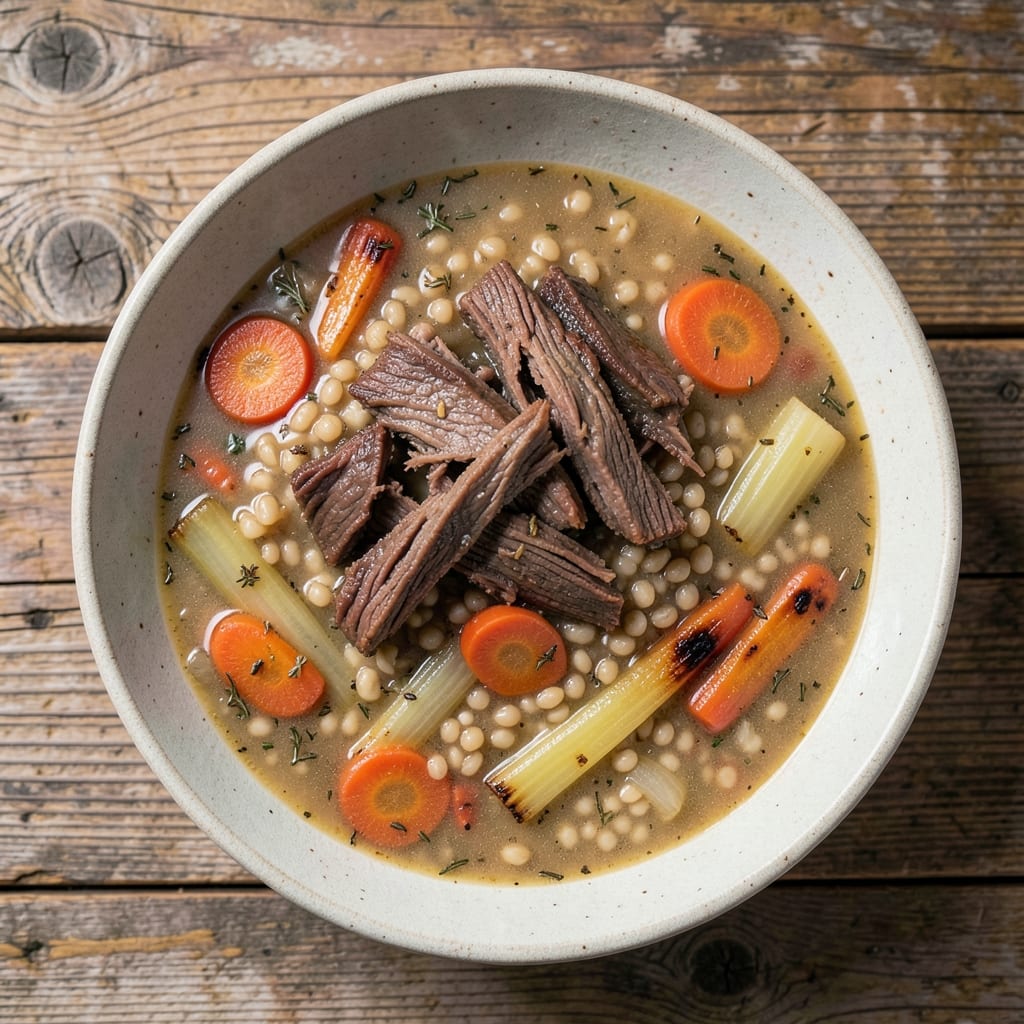
Transforming leftover roast beef into this beef barley soup is the ultimate way to elevate simple ingredients into a deeply satisfying meal. The slow simmering process unlocks rich, savory flavors from the roast while the barley softens into a hearty, chewy texture that absorbs every drop of the aromatic broth. What makes this recipe special is how it turns yesterday's dinner into today's comforting centerpiece—no waste, just better flavor.
The secret lies in balancing the natural richness of the roast with bright aromatics like onions, carrots, and celery, then building depth with herbs and a splash of red wine. This isn't just a way to use leftovers; it's a foolproof method for creating restaurant-quality soup that tastes even better the next day. The barley cooks until tender but retains just enough bite, while the beef shreds effortlessly into the broth, creating a melt-in-your-mouth experience.
By the time you're ladling this soup into bowls, you'll have a dish that's warm, hearty, and packed with slow-simmered depth—perfect for chilly evenings or when you need a nourishing meal without the fuss. The aroma alone will have everyone gathering at the table, and the first spoonful delivers on that promise of comfort food done right. Serve with crusty bread to soak up every last drop of that flavorful broth.
This recipe works equally well as a quick weeknight dinner or a make-ahead meal for busy schedules. The flavors only improve with time, making it ideal for meal prepping or doubling for leftovers that taste just as good reheated. Here's how to make it—simple steps for maximum flavor from every ingredient.
Ingredients for beef barley soup recipe with leftover roast
Transform yesterday's roast into today's comforting centerpiece with these simple, flavor-packed ingredients.
| Ingredient | Amount | Notes |
|---|---|---|
| Leftover Roast Beef 🥩 | 1 ½ lb | Shredded or cubed, with fat trimmed |
| Pearl Barley 🌾 | ½ cup | Uncooked, rinsed well |
| Carrots 🥕 | 2 medium | Peeled, cut into chunks |
| Yellow Onion 🧅 | 1 whole | Diced, medium size |
| Celery Stalks 🧄 | 2 whole | Diced, with leaves |
| Garlic Cloves 🧄 | 4 cloves | Minced, fresh preferred |
| Red Wine 🍷 | ½ cup | Dry, like Cabernet |
| Beef Broth 💧 | 4 cups | Low-sodium preferred |
| Tomato Paste 🍅 | 2 tbsp | Smooth, not chunky |
| Fresh Thyme 🌿 | 1 tbsp | Leaves only, chopped |
| Fresh Parsley 🌿 | ¼ cup | Chopped, for garnish |
| Bay Leaves 🍃 | 2 whole | Dried, standard size |
| Salt 🧂 | 1 ½ tsp | Kosher or sea salt |
| Black Pepper 🌶️ | ½ tsp | Freshly ground preferred |
The roast beef is the foundation, so choose pieces with good marbling—Costco or Whole Foods often have well-trimmed cuts. Look for beef that's still moist but not overly fatty; the fat renders beautifully during simmering. Pearl barley is a must—it holds its shape better than other varieties and absorbs all the rich flavors. Bob's Red Mill or Quaker are reliable brands, but any pearl barley from the bulk section works. The vegetables should be fresh but don't need to be perfect—bruised spots are fine as long as they're not moldy. For the red wine, any bold, dry variety works—Cabernet Sauvignon or Merlot are classic choices, but even a cheap bottle from Trader Joe's will do.
No red wine? Beef broth with 1 tbsp balsamic vinegar works in a pinch. Fresh thyme is ideal, but dried thyme at one-third the amount gets you close. The tomato paste can be the squeeze-tube kind—it's perfect for small batches and lasts months. If you're using pre-shredded carrots, rinse them well to remove excess starch. The celery leaves add subtle bitterness that balances the richness; don't skip them if you've got them. For extra depth, toast the barley in a dry pan for 2 minutes before adding liquid—worth the extra minute for nutty flavor. The bay leaves? Standard dried ones from the spice aisle are fine, but fresh bay leaves (if you can find them) add a brighter note.
This soup tastes even better the next day—3-4 days in the fridge, 3 months frozen. Portion into containers with a layer of broth on top to preserve freshness. Reheat gently on the stove, stirring occasionally, until steaming. The barley thickens as it cools, so add a splash of broth if it seems too thick when reheating. For meal prep, double the recipe—leftovers freeze beautifully and make quick lunches. Store fresh herbs in damp paper towels in a sealed container for up to 5 days.
Why You'll Love This Recipe
- No-Chop Leftovers: I swear by this trick—just tear that roast beef into bite-sized chunks (no knife skills required) and toss it straight into the pot with the prepped veggies. The barley softens everything into a hearty stew with zero fuss.
- Deep Umami Magic: Between the rich leftover beef and the slow-simmered barley, this soup develops a savory depth that’s ridiculously satisfying. The carrots and celery melt into sweet, tender strands while the barley soaks up all the meaty goodness—like a hug in a bowl.
- Weeknight to Potluck: Honestly, this is my go-to for both lazy Tuesdays and holiday gatherings. Double the batch, freeze half, and you’ve got a meal that’s just as welcome at a family dinner as it is in your own kitchen.
- Zero-Waste Hero: Turns out, that roast beef you had to save? Now it’s the star of a budget-friendly, freezer-friendly soup. The barley keeps well for days, and the veggies stretch into multiple servings—no food waste, just pure efficiency.
Step-by-step instructions for beef barley soup with leftover roast
Transform your leftover roast into a hearty, aromatic soup with this straightforward method.
Sauté the Vegetable Base
Heat a large Dutch oven over medium-high heat with 1 tablespoon olive oil (not listed but necessary for sautéing). Add the diced yellow onion, diced celery stalks, and chopped carrots. Cook for 5-6 minutes until the vegetables soften and release moisture, stirring occasionally.
Add the minced garlic cloves and cook for another 30 seconds until fragrant. Here's the thing—don't let the garlic brown, or it'll turn bitter. Remove the vegetables from the pot and set aside temporarily. You'll need that Dutch oven for the next steps.
Build the Flavor Foundation
Return the Dutch oven to medium heat and add the 2 tablespoons tomato paste. Stir for 1 minute to cook off the raw taste. Pour in the 0.5 cup red wine and scrape up any browned bits from the bottom with a wooden spoon—this is where the flavor magic happens.
Simmer the wine mixture for 2-3 minutes until reduced by half. Add the 4 cups beef broth, 1.5 teaspoons salt, and 0.5 teaspoon black pepper. Stir in the 2 whole bay leaves and 1 tablespoon chopped fresh thyme. Bring to a gentle boil, then reduce heat to medium-low.
Incorporate the Beef and Barley
Add the 1.5 pounds shredded or cubed leftover roast beef to the simmering broth. Stir gently to distribute the meat evenly. The beef will begin to warm through and infuse the broth with its rich flavors. Add the 0.5 cup rinsed pearl barley and the reserved sautéed vegetables.
Return the mixture to a simmer and cover partially. The key here is patience—let it cook undisturbed for 30 minutes. This allows the barley to begin absorbing the liquid and the flavors to meld together. Don't peek or stir too frequently, as this can disrupt the cooking process.
Simmer to Perfect Texture
Continue simmering for an additional 30-40 minutes until the pearl barley is tender but still holds its shape. The soup should have a thick, hearty consistency. Taste and adjust seasoning if needed—you may need to add a pinch more salt or pepper depending on your broth.
Remove the 2 whole bay leaves and discard them. Stir in the 0.25 cup chopped fresh parsley just before serving. The parsley adds a bright, fresh note that cuts through the richness of the beef and barley. Let the soup rest for 5 minutes off the heat before serving to allow the flavors to fully develop.
Serve Warm with Crusty Bread
Ladle the soup into bowls and serve immediately. The ideal serving temperature is 185-195°F, where the soup is hot but not scalding. Garnish each serving with an extra sprinkle of chopped fresh parsley and a crack of black pepper for a pop of color and flavor.
Pair with crusty bread to soak up every last drop of that rich, savory broth. This soup is best enjoyed fresh, as the flavors continue to deepen and meld over time. Store any leftovers in an airtight container in the refrigerator for up to 3 days, though I doubt it'll last that long.
Pro Tips For Making Beef Barley Soup Recipe With Leftover Roast
- SHRED THE ROAST FIRST: Cut your leftover beef against the grain into ½-inch chunks before adding to the pot—it’ll break down faster and save you from chewing tough strings later. (Yes, even if it looks messy—this isn’t a plating contest.)
- SOAK BARLEY 30 MINUTES: Skip the "I’ll just throw it in dry" habit—soak the pearl barley in cold water for 30 minutes first. It cooks more evenly and absorbs flavors better, so you won’t end up with a pot of mushy, uneven grains.
- SWEAT ONIONS LOW AND SLOW: Crank the heat to medium-low when cooking the onions, celery, and carrots—high heat burns them before they soften. You’re building flavor here, not caramelizing; let them simmer gently until the onion is translucent and the celery’s edges just start to soften.
- USE THE ROAST JUICES: Don’t drain that leftover roast—let it sit in its juices for 5 minutes after slicing, then add the drippings to the pot. That extra fat and flavor will make your broth richer without needing extra stock. (Trust me, your soup will taste like it simmered all day.)
Best sauces and condiments for beef barley soup recipe with leftover roast
Creamy Mustard Swirl
Add a tablespoon of Dijon mustard and a splash of heavy cream to the finished soup, then gently swirl with a spoon. The tangy mustard brightens the rich beef flavors while the cream adds velvety texture. I like to use Maille mustard for its smooth consistency—just 1 tbsp per serving is perfect. 💛
Umami Boost with Worcestershire
Stir in 1 teaspoon Worcestershire sauce during the final simmer to deepen the savory profile. This adds a subtle fermented complexity that pairs beautifully with the roast beef. For extra depth, add ½ teaspoon fish sauce—it enhances the umami without overpowering. Trust me, this small addition makes a noticeable difference.
Herb-Infused Oil Drizzle
Heat 2 tablespoons olive oil with 1 teaspoon chopped thyme and 1 teaspoon chopped rosemary until fragrant. Drizzle this aromatic oil over individual servings just before eating. The herbs release their essential oils, adding another layer of flavor that contrasts the hearty soup. Store-bought herb oil works too, but homemade tastes fresher.
Crispy Onion Topping
Caramelize ½ cup thinly sliced red onion in 1 tablespoon butter until golden brown. Sprinkle these crispy onions over the soup right before serving. The sweetness and crunch cut through the richness, adding a satisfying textural contrast. I often make a big batch and keep it in an airtight container for up to 5 days.
Sour Cream Finish
Add a dollop of sour cream to each bowl before serving. The cool, tangy cream balances the warmth of the soup and adds a luxurious mouthfeel. For extra richness, mix in 1 teaspoon minced chives into the sour cream before serving. This is especially nice if you're serving the soup as a starter or to guests who enjoy creamy textures.
Spicy Kick with Chili Crisp
For those who love heat, drizzle ½ teaspoon chili crisp (like Lao Gan Ma) over the soup. The fiery, slightly sweet chili oil adds a bold finish that wakes up the palate. Start with a small amount—you can always add more. This works especially well if you're serving the soup with crusty bread for dipping. 🌶️
Nutrition facts
Frequently asked questions
Can I use any leftover roast beef for this soup?
Yes, but choose beef with good marbling and minimal fat trimming for the best flavor. Leftover pot roast or prime rib works perfectly, but avoid overly fatty cuts like ribeye. If your roast is dry, simmer it with the broth for 10-15 minutes first to rehydrate before adding barley.
How do I adjust the cooking time if I'm using dried vs. fresh herbs?
Fresh herbs add vibrant flavor but cook down quickly—use them at the end. For dried thyme or bay leaves, add them with the broth and simmer normally. If using dried herbs, reduce the amount by one-third (e.g., 1 tbsp fresh thyme = 2 tsp dried).
What if my barley turns mushy?
Mushy barley means it overcooked! Check the texture after 30 minutes—it should be tender but still hold its shape. If it's too soft, reduce simmering time next batch to 25-30 minutes and use 1/4 cup less barley. Pearl barley needs 45-60 minutes total to cook perfectly.
Can I make this soup in an Instant Pot?
Sauté veggies first, then add all ingredients except barley. Pressure cook on high for 10 minutes, then quick-release. Stir in barley and cook on sauté mode for 15 minutes until tender. The Instant Pot cuts cooking time by half while keeping flavors deep.
Why does my soup taste bland after reheating?
Reheating dulls flavors because the broth cools and absorbs less aroma. Boost taste by adding 1/4 cup extra broth when reheating, or stir in 1 tsp Worcestershire sauce or a pinch of MSG (if you like umami). Always reheat gently on low heat.