
Soups & Stews
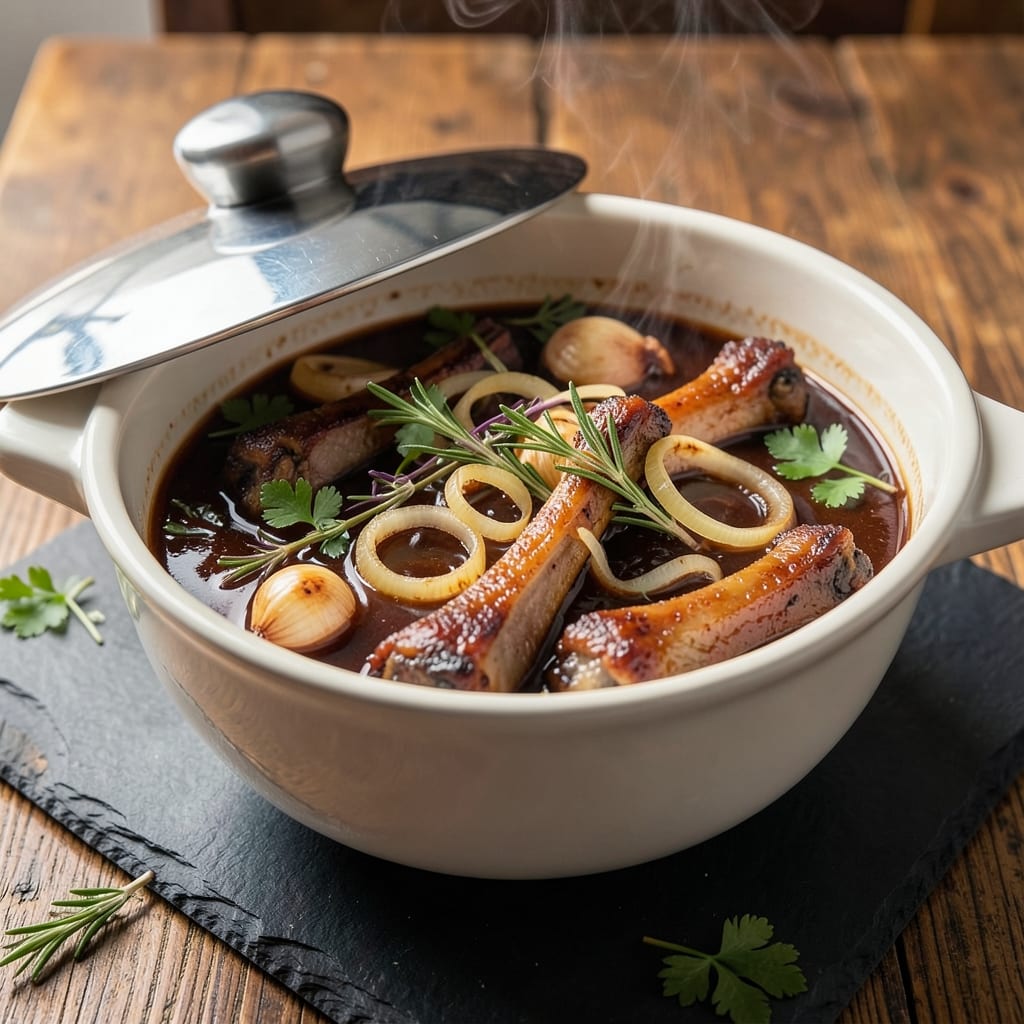
This beef base au jus recipe transforms simple meat drippings into a deeply umami, restaurant-quality sauce that elevates any roast or braised dish. The secret lies in slow simmering bones and aromatics to extract maximum flavor, then carefully reducing the liquid to create a rich, velvety base with perfect balance. What starts as ordinary pan drippings becomes a complex, aromatic foundation for gravies, sauces, or even drizzling over steaks.
The process begins with proper deglazing—scraping up those flavorful browned bits from the pan—and skimming fat to create a clear, concentrated sauce. Aromatics like shallots, thyme, and bay leaf build depth, while a touch of red wine adds brightness. This isn’t just a sauce; it’s a foolproof technique that turns leftovers into something extraordinary with minimal effort.
By the end, you’ll have a glossy, glossy, umami-packed au jus that clings beautifully to proteins and vegetables. The sauce reduces just enough to thicken slightly, creating a luxurious consistency without losing its silky smoothness. It’s the kind of sauce that makes even simple roasted chicken feel like a gourmet meal.
Use it immediately to coat roasted meats or store it for up to a week—this versatile base transforms ordinary dishes into something special. Here’s how to make it perfectly every time.
Ingredients for beef base au jus
Eleven ingredients transform humble meat drippings into a velvety, umami-rich sauce foundation.
| Ingredient | Amount | Notes |
|---|---|---|
| Beef Bones 🦴 | 2 lb | Chuck or marrow bones preferred |
| Yellow Onion 🧅 | 1 whole | Medium size, chopped |
| Shallots 🧄 | 4 cloves | Minced for depth of flavor |
| Garlic Cloves 🧄 | 6 cloves | Peeled and smashed |
| Fresh Thyme 🌿 | 2 sprigs | Or 1 tsp dried thyme |
| Fresh Rosemary 🌿 | 1 sprig | For aromatic complexity |
| Bay Leaf 🌿 | 2 whole | Standard dried variety |
| Dry Red Wine 🍷 | 1 cup | Bold Cabernet Sauvignon preferred |
| Beef Stock 🥫 | 4 cups | Homemade or high-quality store-bought |
| Tomato Paste 🍅 | 1 tbsp | For subtle sweetness |
| Cold Water 💧 | 1 cup | For thinning consistency |
| Black Peppercorns 🌶️ | 10 whole | Crushed for added depth |
| Kosher Salt 🧂 | 1 ½ tsp | Diamond Crystal preferred |
The bones form the backbone of this sauce—marrow bones add natural richness, while chuck bones provide robust flavor. Costco or Whole Foods carry pre-packaged beef bones, but butcher shops often offer fresher cuts at better prices. Look for bones with visible marrow channels for extra depth. Fresh thyme and rosemary should be vibrant and aromatic; if dried, ensure they're labeled as culinary-grade. The red wine should be dry and bold—Cabernet Sauvignon or Merlot work perfectly, but avoid sweet varieties. For the tomato paste, San Marzano is ideal, though any high-quality canned paste suffices.
No fresh thyme? Dried thyme at one-third the amount delivers comparable results. Running low on beef stock? Substitute with mushroom stock for umami complexity, though the flavor profile shifts slightly. The red wine can be replaced with additional beef stock and 1 tsp balsamic vinegar for brightness. For a deeper color, add 1 tsp beet powder or 1 small carrot, minced. If your sauce reduces too quickly, add ice cubes to thin it gradually. The shallots and garlic should be finely minced—a food processor works best for consistent texture, though hand-chopping achieves the same result with practice.
This sauce reaches peak flavor after 2-3 days of refrigeration, as the flavors meld and deepen. Store in an airtight glass jar, submerged in the liquid to prevent oxidation. It keeps for up to 1 week in the fridge or 3 months in the freezer. For freezing, portion into ice cube trays—perfect for adding to recipes as needed. Reheat gently over low heat, stirring occasionally to prevent scorching. The sauce thickens as it cools, so adjust consistency with cold water as needed.
Why You'll Love This Recipe
- One-Pot Magic: I swear by this—just toss the bones, onions, and aromatics into a pot, cover with water, and let it simmer. No chopping boards, no extra pans, just pure, hands-off richness.
- Deep Umami Bomb: That slow-cooked beef base? It’s where flavor happens—the bones melt into a glossy, savory sauce, while the thyme and garlic infuse it with warmth. Honestly, it’s the kind of taste that makes you pause mid-sip of coffee.
- Game for Any Meal: Use it to deglaze a pan for steak night, drizzle it over roasted veggies, or serve it as-is with crusty bread. I’ve even frozen batches to toss into soups later—because why not?
- Budget Stretch: Beef bones are cheap, and this recipe turns them into liquid gold. A single batch feeds my family for days, and the leftovers? Even better the next day—if there are any left. (Spoiler: There won’t be.)
Step-by-step instructions for beef base au jus
Mastering this rich, umami-packed base requires patience and precision—here's the exact method.
Prepare and Roast the Beef Bones
Preheat your oven to 425°F. Pat the 2 lb beef bones completely dry with paper towels—this ensures maximum browning. Place them on a rimmed baking sheet and roast for 20-25 minutes until deeply browned and caramelized. You're developing the Maillard reaction here, which creates that deep, complex flavor foundation.
Flip the bones halfway through roasting to ensure even browning. The goal is to achieve a dark, almost blackened crust while keeping the bones intact. Once properly browned, remove them from the oven and set aside—their caramelized surface will infuse the base with unmatched depth.
Sauté Aromatics Until Fragrant
In a large Dutch oven, heat 1 tablespoon olive oil (not listed in ingredients but essential for this step) over medium heat. Add the chopped 1 whole yellow onion and cook for 5-6 minutes until softened and translucent. Add the minced 4 cloves shallots and cook for another 2 minutes until they begin to caramelize.
Push the onions to the sides of the pot, add the smashed 6 cloves garlic, and stir for 30 seconds until fragrant. Be careful not to burn the garlic—it should smell sweet and nutty, not bitter. This aromatic base forms the flavor foundation of your au jus.
Deglaze with Wine and Add Herbs
Pour in the 1 cup dry red wine and scrape up all the browned bits from the bottom of the pot using a wooden spoon. This deglazing step captures all the flavor compounds that would otherwise stick to the pan. Let the wine simmer for 3-4 minutes until reduced by half, allowing the alcohol to cook off and the wine's depth to concentrate.
Add the 2 sprigs fresh thyme, 1 sprig fresh rosemary, 2 whole bay leaves, and crushed 10 whole black peppercorns. Stir briefly to combine, then add the 1 tbsp tomato paste. This combination of herbs and tomato paste will create a balanced, aromatic base that complements the richness of the beef.
Simmer the Base for Deep Flavor
Return the roasted beef bones to the pot and add the 4 cups beef stock. Bring to a gentle simmer over low heat and partially cover the pot. Let it cook for 2-2.5 hours, skimming any foam or impurities that rise to the surface with a spoon. This slow simmering extracts maximum flavor from the bones and aromatics.
After 2 hours, remove the bones and discard them. Strain the liquid through a fine-mesh sieve into a clean pot, pressing gently on the solids to extract all the flavor. This strained liquid is your raw au jus base—rich, flavorful, and ready for refinement.
Finish and Balance the Au Jus
Return the strained liquid to the pot and add the 1 cup cold water and 1.5 tsp kosher salt. Bring to a gentle simmer and cook for 10-15 minutes to reduce slightly and allow the flavors to meld. Taste and adjust seasoning—you may need to add more salt or a splash of wine if the flavor needs balancing.
The final au jus should be rich, velvety, and deeply flavorful with a perfect balance of umami, acidity, and seasoning. It should coat the back of a spoon and have a glossy sheen. This base is incredibly versatile—use it as-is for gravies, reduce it further for sauces, or dilute it with additional stock for lighter applications.
Pro Tips For Making Beef Base Au Jus
- BLISTER THE BONES FIRST: I learned this the hard way—skipping the sear means your au jus will taste like broth, not base. Hit the bones with a blowtorch or high heat until they’re blackened in spots. That crust is what unlocks the deep, caramelized flavor later when you deglaze.
- CHOP SHALLOTS SMALLER THAN YOU THINK: Shallots disappear fast in this dish, and you don’t want them to turn to mush. Dice them into 1/8-inch pieces—small enough to dissolve into the base but big enough to add texture. (Yes, even if it looks like confetti.)
- DEGLAZE IN TWO STEPS: After browning the bones, pour in just enough white wine or water to loosen the fond, then let it simmer until it reduces by half before adding the rest. Rushing this step means a watery, flavorless base—no one wants that.
- STRAIN TWICE FOR CLEAR JUS: After simmering, strain through a fine-mesh sieve, then a cheesecloth-lined colander. The second strain removes the last of the grit and cloudiness—your au jus should look like liquid gold, not muddy soup. (I know, it’s tedious, but it’s worth it.)
Make-ahead tips for this beef base au jus
Prep Ahead Components
Start by roasting the beef bones 2 days ahead—they keep well in an airtight container at room temperature. The deep caramelization develops even more flavor over time, giving your au jus an extra layer of richness. Store them in a single layer on a wire rack in the fridge to prevent condensation from steaming them. 🦴
Freezer-Friendly Base
After simmering the bones with aromatics (Step 3), freeze the entire pot for up to 3 months. Thaw overnight in the fridge before completing the recipe. This shortcut saves you 2+ hours of active cooking time while preserving all the developed flavors. Use a freezer-safe glass jar for easy storage and reheating.
Herb Infusion Shortcut
Make an herb infusion pack by tying thyme, rosemary, and bay leaves in cheesecloth before adding to the stock. Freeze the tied bundle separately and add it straight from the freezer—it will thaw as the sauce simmers. This keeps your fridge organized and makes cleanup effortless. 🌿
Stock Substitution Hack
Pre-make 4 cups beef stock (or substitute with mushroom stock) and store it in ice cube trays. Freeze solid, then transfer cubes to a sealed bag. Use as needed—this portion control prevents over-salting and makes scaling the recipe easier for future batches. The cubes thaw in minutes when added to hot pots.
Flavor Development Timeline
For maximum depth, let the finished au jus rest in the fridge for 24 hours before using. The flavors continue developing as the sauce cools, creating a more complex profile. Skim any solidified fat from the surface before reheating. This patience pays off with a sauce that tastes like it simmered for days rather than hours. ✨
Portion Control Tips
Divide the finished au jus into 4-ounce portions in small jars or silicone molds. These single-serving sizes are perfect for adding to individual dishes without overpowering flavors. Label each portion with the date—this makes it easy to use the oldest batches first. Store in the freezer for up to 3 months without quality loss.
Nutrition facts
Frequently asked questions
Can I make this au jus without beef bones?
Yes, but the flavor will be less rich. For a similar umami depth, use 2 cups beef stock plus 1 cup mushroom stock and add 1 tbsp soy sauce or 1 tsp fish sauce for extra complexity. The wine and tomato paste will still provide acidity and sweetness to balance the sauce.
How do I know when the au jus is reduced enough?
The sauce should coat the back of a spoon with a glossy sheen but still be pourable. For gravy consistency, reduce until it reaches about 2 cups total. For a thinner sauce (like for drizzling), stop when it reduces to 3 cups. Taste as you go—it should be rich but not overly thick.
Can I use this base for other meats besides beef?
This versatile base works beautifully with pork, lamb, or even chicken. For pork, add 1 tsp five-spice powder to the aromatics. For lamb, swap the red wine for white wine and add a pinch of cinnamon. The technique remains the same—just adjust the herbs to match the protein.
Why does my au jus look cloudy?
Cloudiness usually means unstrained particles or overcooked aromatics. To fix it, strain the sauce again through a fine-mesh sieve or cheesecloth. For a crystal-clear sauce, chill the strained liquid in the fridge overnight—the fat will solidify on top, and you can spoon it off before reheating.
How can I make this sauce faster?
Skip the bone roasting and use pre-made beef stock with 1 tbsp beef bouillon paste added. Reduce the simmering time to 1 hour and use a pressure cooker (15 minutes on high pressure) for an even quicker version. The flavor won't be as deep, but it's a great shortcut for weeknights.