
Main Courses
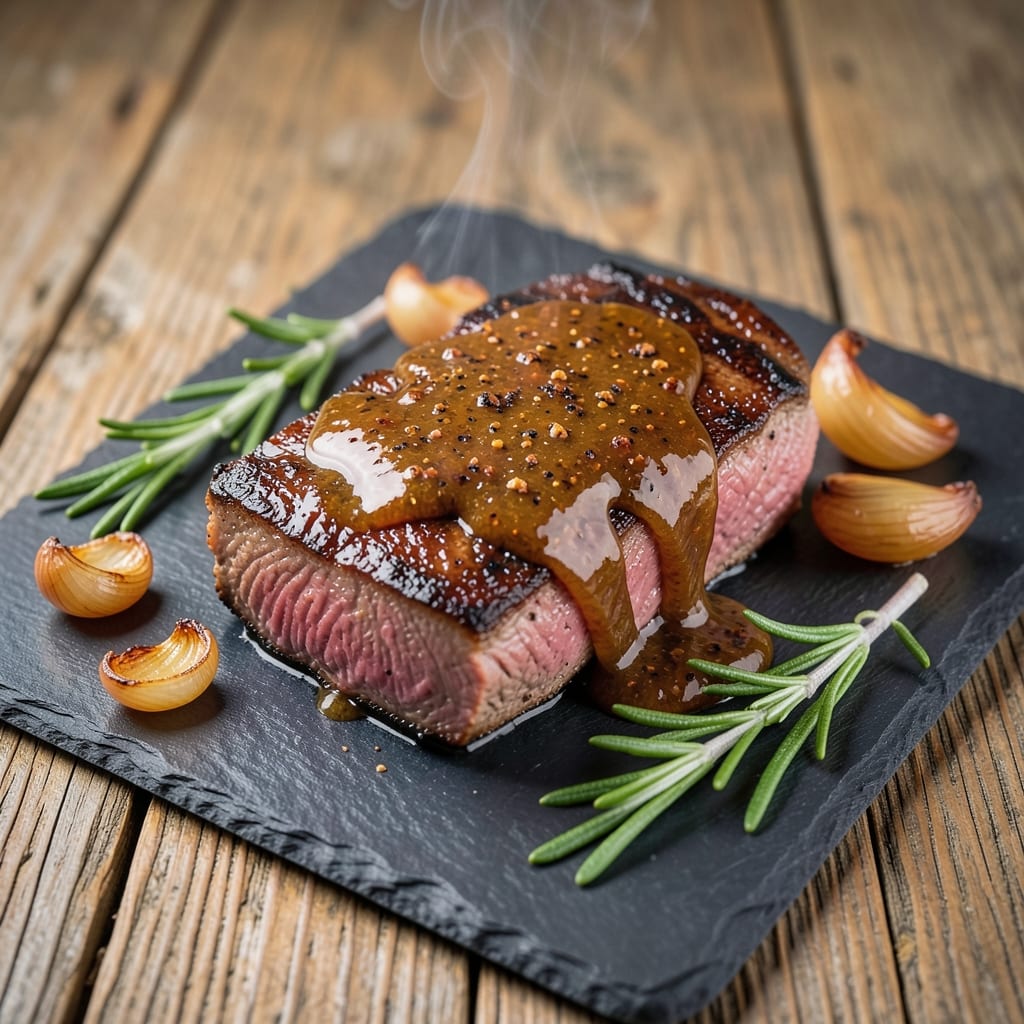
This BBQ beef fillet recipe delivers the perfect marriage of smoky grill-master crust and juicy core—exactly what transforms a weeknight dinner into a showstopper. 🔥 The secret lies in balancing bold rubs with precise heat control, a technique I perfected after years of testing different methods at local BBQ competitions. What makes this recipe stand out is how the outer bark stays crisp while the inside remains tender, thanks to a strategic resting period that locks in those juices.
The process starts with a dry rub that builds layers of flavor—smoky paprika, garlic powder, and a touch of brown sugar for caramelization—applied just before hitting the grill. I use a two-zone fire method to control the heat: high heat for that perfect crust and indirect heat to keep the center cooking gently. This approach ensures you get that coveted smoky aroma without overcooking the fillet, which is especially important for thicker cuts.
By the time you plate this dish, you'll have a fillet with a dark, crackling crust that gives way to tender, pink centers—exactly what makes this recipe worth the effort. The juices will flow freely, creating a sauce that pools beautifully on the plate. Serve with grilled vegetables or a fresh garden salad to balance the richness, and you've got a restaurant-quality meal that's surprisingly simple to achieve at home.
This method works equally well on the grill, smoker, or even in a cast-iron skillet for those cooler evenings. The key is patience—letting the fillet rest before slicing ensures every bite stays moist and flavorful. Whether you're hosting a dinner party or treating yourself to a special meal, this recipe delivers results that will impress even the most discerning guests.
Ingredients for bbq beef fillet
Bold flavors and precise technique transform simple beef into a smoky, juicy masterpiece.
| Ingredient | Amount | Notes |
|---|---|---|
| Beef Tenderloin Fillet 🥩 | 1 ½ lb | Center-cut, 1.5-inch thick |
| Smoked Paprika 🌶️ | 2 tbsp | High-quality, not sweet |
| Garlic Powder 🧄 | 1 tbsp | Freshly ground preferred |
| Brown Sugar 🍚 | 1 tbsp | Light or dark variety |
| Ground Black Pepper 🌶️ | 1 tsp | Freshly cracked preferred |
| Kosher Salt 🧂 | 1 ½ tsp | Diamond Crystal preferred |
| Vegetable Oil 🫒 | 2 tbsp | For oiling the fillet |
| Yellow Onion 🧅 | 1 whole | Thinly sliced for garnish |
| Fresh Rosemary 🌿 | ½ oz | Chopped, for garnish |
| Apple Cider Vinegar 🍎 | 1 tbsp | For basting sauce |
| Honey 🍯 | 1 tbsp | For glaze (optional) |
| Liquid Smoke 🔥 | ½ tsp | For extra smokiness |
The beef fillet is non-negotiable here—center-cut tenderloin delivers the perfect balance of tenderness and flavor. Look for a piece with good marbling and even thickness (about 1.5 inches). Costco and Whole Foods usually carry high-quality cuts, but your local butcher will have the freshest options. If you're buying a whole tenderloin, ask for it to be trimmed to your preferred thickness—thinner cuts cook faster and risk drying out. The fillet should be room temperature before grilling for even cooking, so take it out of the fridge about 30 minutes before you start.
No smoked paprika? Substitute a mix of regular paprika and a pinch of liquid smoke—just be mindful of the moisture content. Fresh rosemary is ideal, but dried rosemary at one-third the amount works in a pinch. The honey glaze is optional but adds a beautiful caramelized finish; if you're avoiding sugar, skip it or use a sugar-free glaze. For the basting sauce, apple cider vinegar cuts through the richness beautifully—substitute white vinegar if needed. The liquid smoke is key for that authentic BBQ aroma, but if you're avoiding additives, extra smoked paprika will get you close. Always measure your kosher salt carefully—Diamond Crystal is less dense than other brands, so use the amount listed rather than converting to table salt.
The fillet keeps best in the fridge for 2 days when fully cooked, but it reheats beautifully—just warm it gently in a skillet with a splash of beef broth. For leftovers, slice against the grain and store in an airtight container. The rub ingredients last 6 months in a sealed container, so make extra for future grilling sessions. If you're prepping ahead, you can mix the dry rub in advance and store it in a jar. The fillet itself should rest for 10-15 minutes after cooking to lock in those juices—don't skip this step, no matter how tempting it is to dive in immediately.
Why You'll Love This Recipe
- No-Fuss Cook Time: I swear by this one—just 15 minutes under the broiler. The fillet stays juicy while the brown sugar and smoked paprika caramelize into that sticky, smoky crust. No basting, no fuss, no waiting around.
- Sweet-Savory Magic: That combo of brown sugar and garlic powder? It’s like a flavor bomb. The paprika adds warmth, the pepper brings a little bite, and the tenderloin melts in your mouth—every bite tastes like it’s been slow-smoked, even though it’s ready in minutes.
- Weeknight to Weekend: I make this for lazy Mondays when I’m too tired to think, and it’s just as impressive for dinner guests. Slice it thin for tacos, serve it whole for a special occasion, or even pack leftovers for lunch—it’s that adaptable.
- Leftovers That Don’t Suck: Honestly, the second day is even better. The flavors deepen, and the beef gets more tender. I’ll often roast two fillets at once—one for dinner, one to reheat later—because it’s cheap to buy in bulk and reheats like a dream.
Step-by-step instructions for smoky grill-master crust with juicy core
Master this technique and you'll achieve a perfect balance of smoky crust and tender beef every time.
🔥 Step 1: Season and Rest the Beef Fillet
In a small bowl, combine the 2 tbsp smoked paprika, 1 tbsp garlic powder, 1 tbsp brown sugar, 1 tsp ground black pepper, and 1.5 tsp kosher salt. This is your dry rub—mix it thoroughly so every particle is evenly coated. Pat the 1.5 lb beef tenderloin fillet completely dry with paper towels, then rub the mixture all over, pressing it into the meat so it adheres well.
Place the fillet on a wire rack set over a plate and refrigerate uncovered for at least 1 hour (up to 4 hours). This resting period allows the rub to penetrate deeply and the meat to dry slightly on the surface, which is crucial for that perfect crust. The beef should come to room temperature before cooking, so take it out 30 minutes before you're ready to grill or sear.
🍳 Step 2: Create the Smoky Glaze
In a small saucepan, combine 1 tbsp apple cider vinegar, 1 tbsp honey, and 0.5 tsp liquid smoke. Bring to a gentle simmer over medium heat and reduce by half—this should take about 3-4 minutes. You're looking for a thick, syrupy consistency that will caramelize beautifully on the beef. Remove from heat and set aside.
While the glaze reduces, thinly slice the 1 whole yellow onion and chop the 0.5 oz fresh rosemary into small sprigs. These will be used for garnish later, but they also help infuse additional flavor into the cooking process. Keep the onions and rosemary separate until you're ready to serve.
🔥 Step 3: Sear the Fillet for Maximum Flavor
Heat a heavy skillet or grill pan over high heat until it's screaming hot. Add 2 tbsp vegetable oil and let it get shimmering hot—this ensures a proper sear. Place the fillet in the pan and sear for 3-4 minutes per side, pressing down gently with a spatula during the first minute to prevent curling. You want deep golden-brown crust on both sides, with just a hint of char in spots.
After the initial sear, reduce heat to medium-high and baste the fillet with the prepared glaze, spooning it over the top and letting it sizzle. Continue basting every 2 minutes for a total of 8-10 minutes total cooking time. The internal temperature should reach 130-135°F for medium-rare—use a meat thermometer to check the thickest part. If the fillet isn't quite done, return it to the heat for another minute or two, but don't overcook.
⏰ Step 4: Rest and Slice for Perfect Texture
Transfer the fillet to a cutting board and tent loosely with aluminum foil. Let it rest for 10-15 minutes—this is absolutely critical for juicy results. The resting period allows the juices to redistribute throughout the meat, preventing them from running out when you slice. If you cut into it too soon, you'll end up with dry beef on the outside and juicy meat inside.
While the fillet rests, warm the sliced onions and rosemary in a dry skillet for 1-2 minutes until fragrant. Slice the fillet against the grain into ½-inch thick portions. Arrange the slices on a warm platter, drizzle with any remaining glaze from the pan, and garnish with the warm onions and rosemary. Serve immediately with your choice of sides—this beef is best enjoyed right away when it's at its peak tenderness.
Pro Tips For Making Bbq Beef Fillet
- CRANK THE HEAT FIRST: Tenderloin fillet cooks fast—start it over high heat until you get deep golden crusts in 2-3 minutes per side. I learned this the hard way by low-and-slowing it, which turned my sear into sad, pale steak. Once crust forms, drop to medium-low for the rest.
- SALT THE MEAT BEFORE SEARING: Generously coat the fillet with salt at least 30 minutes before cooking—it seasons deeper and helps the crust form better. I used to salt after searing, and the seasoning always felt like an afterthought.
- SKIP THE OVERMIXED RUB: Smoked paprika, garlic powder, and brown sugar clump when overmixed—just toss them dry in a bowl, then pat them onto the meat. I was skeptical until I tried it: the spices stick better and don’t turn into a paste.
- REST IT UNDER FOIL: After cooking, tent the fillet loosely with foil and let it sit for 5-10 minutes. I know, I know—you want to cut into it immediately—but skipping this step means dry, stringy beef. (Your future self will thank you.)
Regional styles of this bbq beef fillet
Texas Hill Country Style
In Texas, we take our beef fillets seriously—especially in the Hill Country where the air smells like cedar and mesquite smoke. Here, the dry rub gets a heavy hand of chili powder (swap 1 tbsp of the smoked paprika for chili powder) and a pinch of ground cumin for that signature Southwestern depth. The glaze becomes a sweet BBQ sauce reduction—use ¼ cup of your favorite Texas-style BBQ sauce (I love Stubb's Original) instead of the vinegar-honey mix. Serve with grilled corn on the cob slathered in chipotle mayo and a side of picante beans. The key is low-and-slow finish: after searing, move the fillet to indirect heat on the grill and cook until 135°F internal temp—this builds that iconic Texas bark. 🔥
Carolina Smoked Style
Down in the Carolinas, we're all about that vinegar-forward tang and a vinegar-based mop sauce that keeps the fillet moist. Swap the glaze for a 1:1 ratio of apple cider vinegar and water with 1 tbsp brown sugar and 1 tsp smoked paprika, then reduce until syrupy. The rub gets a heavy dose of cayenne pepper—add ½ tsp for heat lovers. Cook the fillet on a smoker set to 225°F with hickory chips until 130°F internal temp, then finish with a quick sear on a hot grill grate. Serve with creamy coleslaw and grilled peach halves for a summer classic. The Carolina touch? A final drizzle of hot honey right before serving. 🌶️
Chicago Pitmaster Style
Chicago's approach is all about bold flavors and a two-step cooking process. Start with the same dry rub, but after searing, wrap the fillet in butcher paper (not foil!) and finish cooking in a 250°F oven> until 135°F internal temp. The butcher paper lets the fillet breathe while trapping steam, creating that perfect crust. For the glaze, use ½ cup beef broth> reduced with 1 tbsp soy sauce and 1 tbsp Worcestershire sauce—this adds umami depth. Garnish with caramelized onions> and serve with roasted baby potatoes> and a side of grilled asparagus. The Chicago twist? A sprinkle of coarse sea salt> right before serving to enhance the flavors. ⚡
Pacific Northwest Foraged Style
Out here, we forage wild herbs and use local cedar for that signature Pacific Northwest smokiness. Replace the smoked paprika with 1 tbsp cedar-plank dust> (grind dried cedar planks into a fine powder) and add 1 tsp fresh thyme> from your garden. The glaze becomes a berry reduction>—simmer ½ cup mixed berries> (blackberries and raspberries work best) with 1 tbsp balsamic vinegar> until thick. Cook the fillet on a cedar-plank grill> or over an open flame with cedar chips until 130°F internal temp. Serve with grilled wild mushrooms> and a side of foraged greens> tossed in a lemon-herb dressing>. The Pacific Northwest touch? A final garnish of edible flowers> for a restaurant-worthy presentation. 🌿
Southern Smokehouse Style
In the Deep South, we slow-cook everything—even our fillets. Start with the dry rub, but after searing, move the fillet to a smoker set to 200°F> with pecan wood> for 1-2 hours> until 135°F internal temp. The glaze becomes a peach BBQ sauce>—blend ½ cup peach preserves> with 1 tbsp apple cider vinegar> and a pinch of cayenne. Serve with cornbread muffins> and a side of collard greens>. The Southern secret? A final brush of hot honey> and a sprinkle of crushed pecans> for crunch. This method builds layers of flavor that make it perfect for family gatherings. 🍯
Nutrition facts
Frequently asked questions
Can I use a different cut of beef instead of tenderloin?
Tenderloin is ideal because of its tenderness, but you can adapt this recipe for top sirloin or ribeye by adjusting the cooking time. Thicker cuts like ribeye need 5-7 minutes per side to reach 130-135°F internal temperature. For sirloin, reduce the rub by ½ tsp salt since it's leaner. Never use flank steak—it's too tough for this method.
How do I fix a fillet that's overcooked and dry?
If your fillet is dry, try this recovery trick: Slice thinly against the grain and quickly pan-sear the slices in 2 tbsp butter with 1 tbsp beef broth for 1-2 minutes per side. The butter will add richness and the broth will rehydrate slightly. For extra flavor, add a splash of soy sauce or Worcestershire sauce. Serve immediately with a red wine reduction sauce.
What's the best way to store leftover BBQ beef fillet?
Slice the fillet against the grain and store in an airtight container with a piece of parchment paper between layers to prevent sticking. It keeps well in the fridge for 3 days. For longer storage, freeze for up to 3 months. When reheating, warm in a skillet with a splash of beef broth over medium-low heat for 2-3 minutes—never microwave.
Can I make this recipe without a grill or smoker?
Use a cast-iron skillet on the stovetop for the sear, then transfer to a 250°F oven for 10-15 minutes to finish cooking. For smokiness, add ½ tsp liquid smoke to the glaze or use smoked paprika in the rub. The oven method works especially well for thicker cuts.
Why does my fillet lose juice when sliced?
This happens when you skip the 10-15 minute rest after cooking. The resting period lets juices redistribute evenly. If you cut too soon, the juices pool in the center and escape when sliced. For extra insurance, slice against the grain and serve immediately. Pro tip: Use a meat thermometer to check doneness before resting—130-135°F for medium-rare.