
Soups & Stews
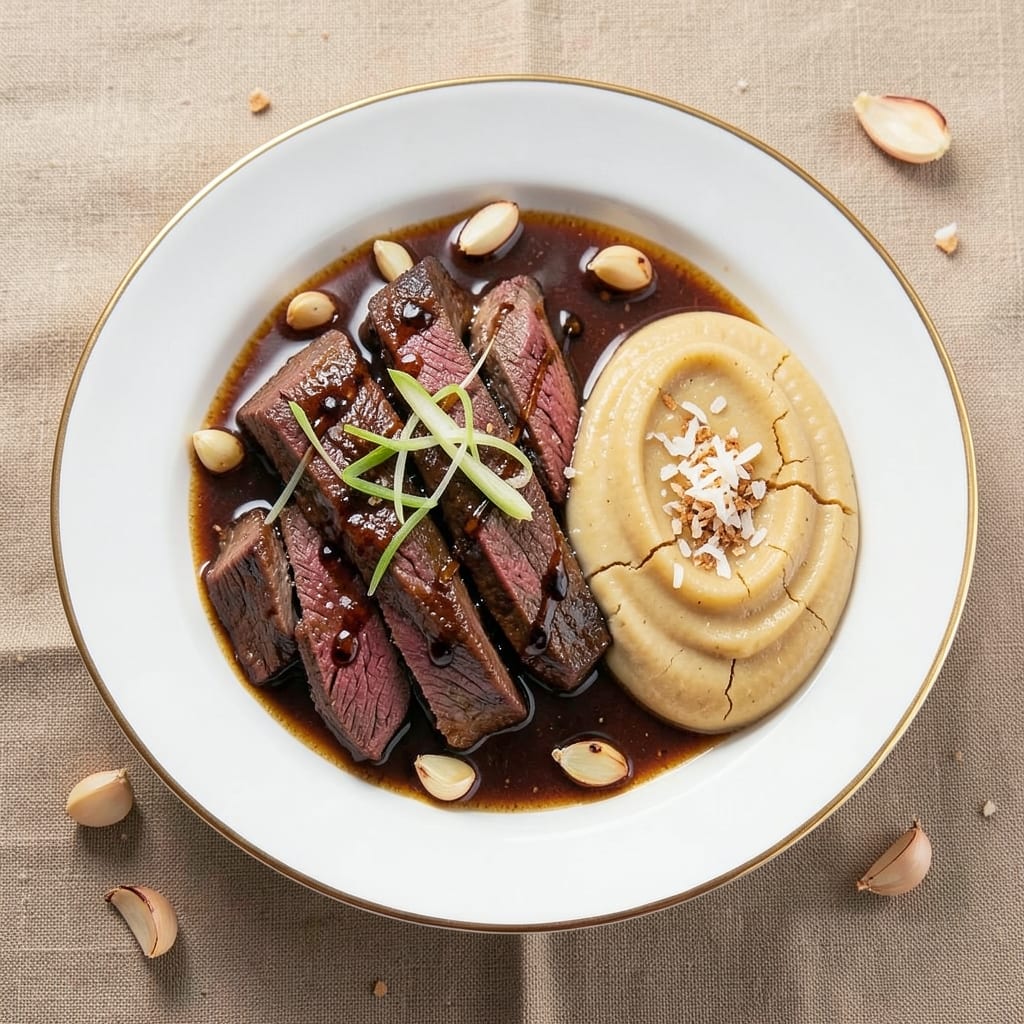
This fast, Singapore-style beef and kaya recipe brings the heart of a bustling morning market to your breakfast table. The tender beef stir-fry meets rich, coconut-infused kaya—a velvety jam that transforms simple toast into a luxurious spread. I developed this dish after years of perfecting the balance between savory and sweet, ensuring every bite delivers authentic Southeast Asian flavors without sacrificing speed. The beef comes together in under 20 minutes with a fragrant blend of garlic, ginger, and soy sauce, while the kaya simmers gently for a silky texture that clings to every piece of toast. What makes this recipe special is how effortlessly it combines two iconic elements—tender beef and creamy kaya—into one cohesive meal that feels both comforting and sophisticated. By the time you're done, you'll have a plate that's as visually appealing as it is delicious: golden-brown toast slathered with glossy kaya, topped with perfectly seared beef strips. The contrast of textures and flavors—crispy toast, creamy kaya, and savory beef—creates a harmony that's impossible to resist. Serve this dish for brunch with family or as a weekend treat, and watch it disappear faster than you can say "Singapore morning." Let's get started!
Ingredients for beef and kaya
Fast, fragrant, and perfectly balanced—these ingredients bring Singapore breakfast to your table in under 20 minutes.
| Ingredient | Amount | Notes |
|---|---|---|
| Flank Steak 🥩 | 1 lb | Thinly sliced against grain |
| Garlic Cloves 🧄 | 6 cloves | Minced for aromatic base |
| Fresh Ginger 🌿 | 2 tbsp | Finely grated, not powdered |
| Soy Sauce 🥄 | ¼ cup | Light or all-purpose |
| Oyster Sauce 🍜 | 2 tbsp | For umami depth |
| Brown Sugar 🍯 | 2 tbsp | Packed for sweetness |
| Sesame Oil 🫒 | 1 tbsp | Toasted for aroma |
| Vegetable Oil 🫒 | 2 tbsp | High smoke point |
| Coconut Milk 🥥 | 1 can (13.5 oz) | Full-fat for richness |
| Granulated Sugar 🍬 | ½ cup | White or coconut sugar |
| Shredded Coconut 🥥 | ¼ cup | Sweetened, unsweetened |
| White Toast 🍞 | 8 slices | Thick-cut preferred |
| Lime Juice 🍋 | ½ cup | Freshly squeezed |
| Salt 🧂 | 1 ½ tsp | Kosher or sea salt |
| Black Pepper 🌶️ | ½ tsp | Freshly ground |
The flank steak is non-negotiable for this dish—it stays tender when sliced thinly against the grain. Ask your butcher to cut it paper-thin if you're feeling fancy, or use a sharp knife and freeze it 15 minutes first. For the kaya, coconut milk matters most—full-fat canned coconut milk gives that signature velvety texture. I always grab Thai Kitchen brand at Asian markets or the store's organic section. The ginger and garlic? Fresh only—they build the aromatic base that makes this taste authentic. Skip the powdered stuff, trust me.
No oyster sauce? Soy sauce plus a splash of fish sauce works in a pinch (just omit the fish sauce if avoiding it). Running low on sesame oil? Toasted peanut oil gives a similar nutty depth. The kaya can be made with unsweetened coconut flakes if you prefer less sugar—just add a pinch more sugar to taste. For the beef, substitute sirloin if you can't find flank, but slice it extra thin. The lime juice is key for brightness—Mexican limes from Trader Joe's are my go-to, but regular Key limes work too. No need to zest unless you're feeling extra.
The beef keeps best in the fridge for 2 days—it actually tastes better the next day as the flavors meld. Kaya? 5 days in the fridge, sealed tightly under a layer of oil to prevent a skin from forming. I portion the kaya into small jars for easy spreading—glass containers are best since they keep the texture smooth. Toast can be made ahead and reheated in a toaster, but I prefer fresh slices for that perfect crunch. Both components freeze beautifully—3 months for the kaya, 2 months for the beef strips.
Why You'll Love This Recipe
- One-Pan Magic: That’s right—just the steak, a knife, and a hot pan. No fancy gadgets, no last-minute grocery runs. The ginger and garlic sizzle while you slice, and the soy-oyster combo does all the heavy lifting. Honestly, I’ve made this on a Tuesday night with one hand tied behind my back.
- Umami Bomb: The moment that caramelized soy meets tender beef? Chef’s kiss. The ginger adds a bright kick, but the oyster sauce ties it all together with that deep, savory punch. It’s the kind of flavor that makes you pause mid-bite—like, “Wait, why haven’t I done this sooner?”
- Weeknight to Dinner Party: Same recipe, totally different vibes. Throw it together for a lazy night in, or dress it up with steamed jasmine rice and a quick cucumber salad for guests. My in-laws think it’s “fancy” (they don’t know it’s my secret shortcut), and my kids just eat it straight from the pan.
- Leftovers That Don’t Suck: Between us, most beef dishes turn into sad, dry rubber after day two. Not this. The ginger keeps it fresh, and the sauce clings to every bite. I’ve reheated slices in a wok with eggs for breakfast—yes, really—and it’s still ridiculous. Budget win, flavor win.
Step-by-step instructions for Singapore-style coconut curd breakfast
Here's how to craft this beloved Singaporean breakfast in record time.
Marinate and Slice the Flank Steak
First, slice the 1 lb flank steak thinly against the grain into ¼-inch strips. This ensures tender bites that cook quickly. In a bowl, combine the sliced steak with 0.25 cup soy sauce, 2 tbsp oyster sauce, 2 tbsp brown sugar, 1 tbsp sesame oil, 0.5 cup lime juice, 1.5 tsp salt, and 0.5 tsp black pepper. Mix gently to coat evenly, then let it marinate for at least 20 minutes at room temperature—this jumpstarts the flavor infusion.
While the steak marinates, finely grate 2 tbsp fresh ginger and mince 6 cloves garlic. These aromatics will form the flavor base for both the beef and the kaya. The ginger should be freshly grated—pre-powdered lacks the bright, zesty punch you need. Set them aside for the next step.
Cook the Beef to Perfect Tenderness
Heat 2 tbsp vegetable oil in a large skillet over medium-high heat until shimmering. Add the marinated steak in a single layer, leaving space between pieces to prevent steaming. Cook undisturbed for 2-3 minutes until the edges turn deep golden brown—this creates that signature caramelized crust. Flip and cook another 1-2 minutes until just cooked through (the internal temperature should reach 145°F).
Remove the steak and set aside, reserving the pan juices. Here's the thing—overcooking flank steak turns it tough, so pull it out when it's still slightly pink in the center. It'll carry over to perfect doneness while you finish the kaya. The reserved pan juices will add depth to your toast later.
Prepare the Kaya Coconut Mixture
In the same skillet (no need to clean it—the beefy fond adds flavor), add 2 tbsp vegetable oil and heat over medium-low. Add the minced garlic and grated ginger, cooking for 30 seconds until fragrant but not browned. Pour in 1 can (13.5 oz) coconut milk and bring to a gentle simmer, stirring occasionally for 5 minutes to infuse the flavors.
Reduce heat to low and whisk in 0.5 cup granulated sugar and 0.25 cup shredded coconut until the sugar dissolves completely. The mixture should thicken slightly into a smooth, custard-like consistency—this is your kaya base. If it's too thin, simmer uncovered for another 2-3 minutes to reduce. The texture should coat the back of a spoon but still be pourable.
Assemble the Signature Breakfast Platter
Toast the 8 slices white toast to your preferred crispness—Singaporean kaya is traditionally served with buttery, golden-brown toast. Spread a generous layer of the warm kaya mixture over each slice, then top with the cooked beef strips. The contrast of creamy coconut curd with tender beef creates the perfect balance of textures and flavors.
For an authentic touch, garnish with an extra sprinkle of shredded coconut and a drizzle of sesame oil. Serve immediately while the toast is warm and the kaya is still slightly runny—this is when it's most delicious. The combination of sweet, salty, umami, and creamy elements makes this a breakfast that feels like a celebration.
Pro Tips For Making Beef And Kaya
- Slice Against the Grain: Flank steak’s tough fibers run diagonally—cut it at a 45-degree angle before cooking to shorten those fibers and make every bite tender. (Yes, even if it looks like you’re butchering it.)
- Sear First, Sauce Later: Get that steak screaming hot in the pan with just oil and salt for 2-3 minutes per side before adding garlic and ginger. You’ll lock in juices and build flavor that no amount of soy sauce can replicate.
- Ginger Needs a Pulse: Use a microplane or food processor for fresh ginger—it releases more aroma and blends smoother than chopped chunks. (I learned this the hard way when my dish tasted like “ginger and something else.”)
- Deglaze with Soy Early: After searing, splash in 1 tablespoon of soy sauce right away while the pan’s still hot. Let it bubble for 30 seconds before adding oyster sauce—this builds depth instead of just drowning the beef in liquid.
Wine and beer pairings for this beef and kaya
Sweet-Savory Balance
This dish thrives on the contrast between the sweet coconut kaya and the savory, umami-rich beef. The kaya's natural sweetness complements the beef's caramelized edges beautifully. I always recommend serving it with a lightly sweetened iced tea—like Lipton Yellow Label—to bridge the flavors without overpowering them. The tea's floral notes enhance the coconut's creaminess while balancing the beef's saltiness. 🌸
Red Wine Pairings
For a more sophisticated touch, pair this breakfast with a dry Riesling from Germany. The wine's crisp acidity and subtle honeyed notes mirror the kaya's sweetness while cutting through the beef's richness. I love Dr. Loosen Blue Slate Riesling—it's affordable and widely available. Avoid heavy reds; their tannins would clash with the dish's delicate balance. 🍷
Local Singaporean Brews
If you're going for authenticity, nothing beats a Singaporean kopi (coffee) or teh (tea) alongside your meal. A strong black coffee with a dash of condensed milk (like Nestlé Gold) is traditional. For tea lovers, Ceylon black tea with sugar and lemon works perfectly. These drinks are staple accompaniments in Singaporean cafés and complement the dish's flavors beautifully. ☕
Beer Options
For beer enthusiasts, a light lager like Singapore Tiger or Asahi Super Dry is ideal. The beer's crisp, clean profile won't overpower the dish but instead enhances the beef's savory notes. If you prefer something with a little more character, a wheat beer like Blue Moon adds a subtle citrus note that pairs well with the lime in the beef marinade. 🍺
Non-Alcoholic Choices
For those avoiding alcohol, sparkling limeade is a fantastic choice. Mix fresh lime juice with sparkling water and a touch of honey for sweetness. The effervescence cleanses your palate between bites of sweet kaya and savory beef. Another great option is coconut water—its natural sweetness and subtle nuttiness echo the kaya's flavors while keeping the meal refreshing. 🥤
Pro Tip: Garnish Like a Pro
Before serving, garnish your plate with a sprinkle of toasted sesame seeds and a drizzle of chili oil for a pop of color and heat. This not only enhances the visual appeal but also adds another layer of flavor contrast. The sesame seeds bring a nutty crunch, while the chili oil adds a subtle spice that balances the dish's sweetness. Trust me, this small touch elevates the entire experience. 💫
Nutrition facts
Frequently asked questions
Can I make kaya without shredded coconut?
For a smoother texture, simply omit the shredded coconut and use 1 extra tablespoon of sugar to compensate. The kaya will still have that signature velvety consistency, though the traditional version includes the coconut for subtle nuttiness.
How do I prevent the beef from getting chewy?
Slice the flank steak thinly against the grain—this cuts through muscle fibers for tenderness. Cook it over medium-high heat for only 2-3 minutes per side until just pink in the center (145°F internal temp). Overcooking turns it tough, so resist the urge to flip too often.
What's the best way to store leftover kaya?
Transfer warm kaya to a clean, dry glass jar and press plastic wrap directly on the surface to prevent a skin from forming. Store in the fridge for up to 5 days. For longer storage, freeze in 1-tablespoon portions for easy spreading—thaw overnight in the fridge.
Can I use ground beef instead of flank steak?
Not ideal for this recipe—ground beef lacks the tender texture and caramelization potential of sliced flank. If you must substitute, use lean sirloin strips sliced paper-thin, but expect slightly less authentic results. The beef's texture is key to the dish's harmony.
Why does my kaya turn grainy?
Graininess usually means the sugar didn't fully dissolve or the mixture cooled too quickly. Always whisk continuously while heating, and reduce the heat to low once sugar is added. For extra smoothness, strain through a fine-mesh sieve before serving.