
Soups & Stews
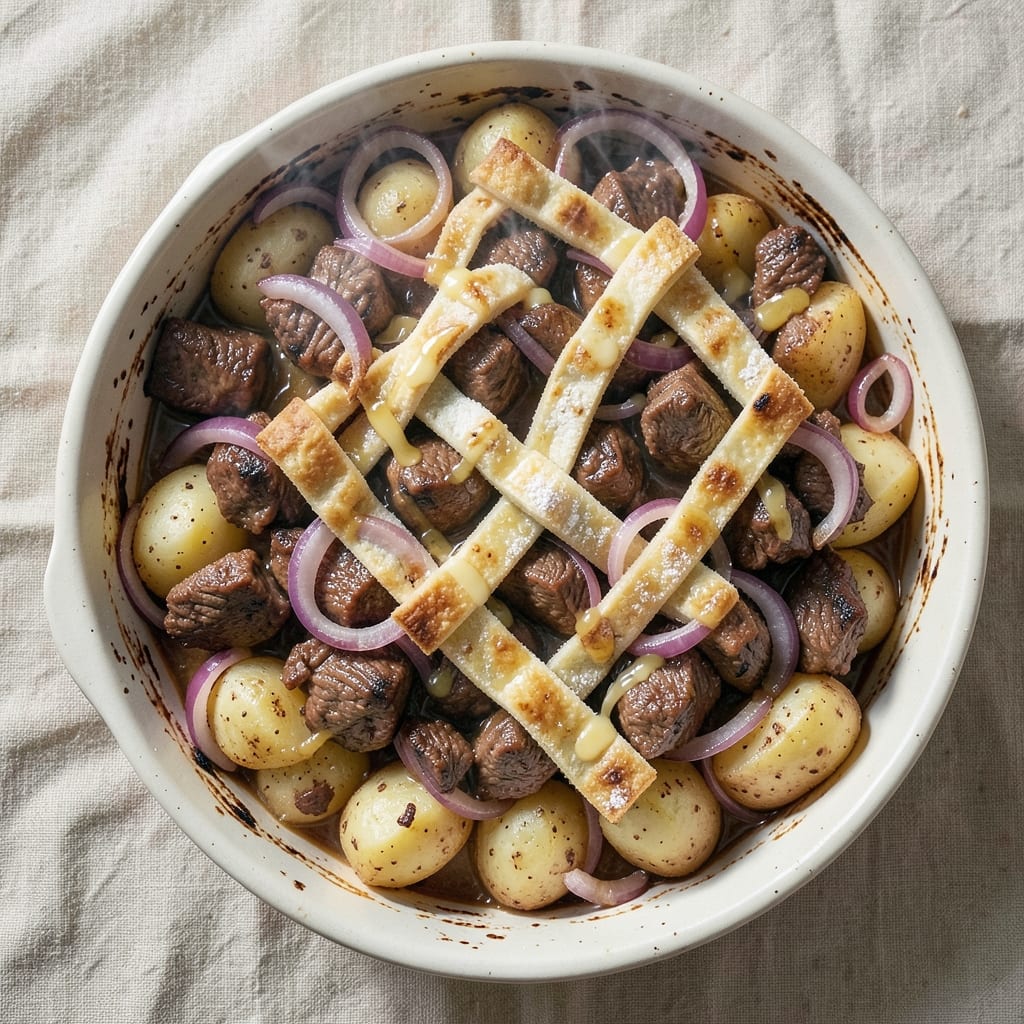
This beef and onion casserole recipe delivers the ultimate comfort food experience—crispy golden edges, tender beef, and melty cheese that pulls apart with every bite. The secret lies in browning the beef and caramelizing the onions first, building deep flavor before layering everything in a buttery, cheesy blanket. I've perfected this technique over years of family dinners, where it always disappears faster than the mashed potatoes.
The magic happens in the layers: a rich beef and onion mixture at the bottom, followed by fluffy potatoes or noodles, and topped with a crispy breadcrumb or cheese crust. This isn't just a casserole—it's a foolproof weeknight solution that transforms simple ingredients into a restaurant-worthy dish. The best part? You can prep everything ahead and let the oven work its magic while you enjoy a glass of wine.
By the time it emerges from the oven, you'll have a bubbling, golden masterpiece with crispy edges that shatter at the slightest touch. The beef stays tender, the onions caramelize into sweet perfection, and the cheese melts into a creamy, stretchy blanket. It's the kind of dish that makes your home smell like a cozy dinner party, even when it's just you and leftovers for days.
Pair it with steamed green beans or a simple salad for a complete meal, or serve straight from the skillet with crusty bread for soaking up every last bit of that cheesy, savory goodness. Here's how to make it—once you try this, you'll never go back to store-bought again.
Ingredients for beef and onion casserole
Simple ingredients that transform into a crispy, cheesy masterpiece—just like grandma used to make.
| Ingredient | Amount | Notes |
|---|---|---|
| Beef Chuck Roast 🥩 | 2 lb | Pre-cubed for even cooking |
| Yellow Onions 🧅 | 3 whole | Medium-sized, thinly sliced |
| Russet Potatoes 🥔 | 3 lb | Peeled and thinly sliced |
| All-Purpose Flour 🌾 | ½ cup | For browning beef |
| Unsalted Butter 🧈 | ½ cup | Full-fat for richness |
| Beef Broth 💧 | 2 cups | Low-sodium preferred |
| Sharp Cheddar Cheese 🧀 | 2 cups | Shredded, sharp flavor |
| Panko Breadcrumbs 🍞 | ½ cup | For crispy topping |
| Garlic Cloves 🧄 | 4 cloves | Minced for depth |
| Worcestershire Sauce 🍶 | 1 tbsp | For umami kick |
| Dried Thyme 🌿 | 1 tsp | Or 1 tbsp fresh |
| Salt 🧂 | 1 ½ tsp | Kosher or sea salt |
| Black Pepper 🌶️ | ½ tsp | Freshly ground |
The beef is non-negotiable here. Chuck roast breaks apart perfectly—sirloin stays tough. Grab the pre-cubed version from Costco or your grocery store's meat counter to save time. For onions, yellows are sweeter than reds when caramelized, but use what you like. The potatoes? Russets are ideal—they hold their shape and crisp up nicely. If you're in a rush, frozen sliced potatoes work in a pinch, but fresh is always better. Look for firm, unblemished potatoes with no sprouts.
No beef broth? Chicken broth with a splash of soy sauce works, but beef is best. Short on thyme? Dried oregano at half the amount gets you close. The Worcestershire sauce adds that savory depth—Lea & Perrins is the classic choice. Want extra crispiness? Mix grated Parmesan into the breadcrumbs. The cheese matters too—sharp cheddar melts best, but a blend of cheddar and mozzarella adds stretch. For a vegetarian twist, swap the beef for mushrooms and lentils—just add them with the onions.
Prep ahead like a pro. Brown the beef and caramelize the onions the day before—they keep for 3 days in the fridge. Assemble the casserole and refrigerate up to 24 hours before baking. Leftovers? 3-4 days in the fridge, or freeze for 3 months. Reheat covered at 350°F until bubbly. I always make a double batch—it disappears fast. The crispy topping gets soggy if you reheat it uncovered, so cover it tightly with foil.
Why You'll Love This Recipe
- One-Pot Magic: I swear by this recipe when I’ve got better things to do than slave over the stove. The chuck roast and onions slow-cook while the potatoes soften—no flipping, no fussing, just dump-and-bake simplicity. (Yes, even on a Tuesday night.)
- Rich, Caramelized Depth: That beef gets fork-tender while the onions melt into sweet, jammy layers—no sad, watery mess here. The flour-butter roux at the bottom? Pure flavor insurance. Honestly, it’s the kind of dish that makes you pause mid-bite.
- Leftovers That Beg for More: This casserole actually improves the next day. The potatoes soak up all that beefy goodness, and the crust gets even crispier. I make a double batch just so I can reheat slices for lunch—no sad desk salads here.
- Budget-Friendly Crowd-Pleaser: Chuck roast is cheap, potatoes stretch forever, and the butter-flour combo feels indulgent without breaking the bank. Between us, this is the dish I pull out for game nights or when my in-laws visit. Everyone leaves happy.
Step-by-step instructions for beef and onion casserole
Here's how to build layers of rich beef, tender potatoes, and that perfect crispy-cheesy crust.
Brown the Beef for Maximum Flavor
Heat a large skillet over medium-high heat and add the 2 lb beef chuck roast, pre-cubed into 1-inch pieces. Cook in batches if needed, stirring occasionally, until the beef is deeply browned on all sides and cooked to medium-rare (about 8-10 minutes). This step builds the foundation of flavor through the Maillard reaction.
As the beef browns, you'll notice the fat rendering out—don't drain it. Transfer the cooked beef to a large bowl and set aside. In the same skillet, sprinkle the 0.5 cup all-purpose flour over the browned bits and stir for 1 minute to create a rich roux. This will thicken your casserole sauce beautifully.
Sauté Onions and Garlic for Depth
Add the 3 whole yellow onions, thinly sliced, to the skillet with the flour mixture. Cook over medium heat for 5-6 minutes until softened and golden brown. Stir in the 4 cloves garlic cloves, minced, and cook for another 30 seconds until fragrant—this prevents the garlic from burning while adding that essential savory depth.
Pour in the 2 cups beef broth and scrape up any browned bits from the bottom of the pan. Bring to a gentle simmer, then stir in the 1 tbsp Worcestershire sauce and 1 tsp dried thyme. Let this mixture simmer for 3-4 minutes until slightly reduced. This aromatic liquid will infuse the entire casserole with rich, meaty flavor.
Layer Potatoes and Beef in the Baking Dish
Preheat your oven to 375°F. In a large mixing bowl, combine the 3 lb russet potatoes, peeled and thinly sliced, with the browned beef mixture. Toss gently to coat the potatoes evenly. Transfer half of this mixture to a 9x13-inch baking dish, spreading it out in an even layer.
For the second layer, melt the 0.5 cup unsalted butter in the same skillet over low heat until just melted. Pour this butter evenly over the first layer of potatoes and beef. Then add the remaining potato-beef mixture on top, creating a second even layer. Press down gently to ensure good contact between layers—this helps everything cook uniformly.
Create the Cheesy Crispy Topping
In a small bowl, combine the 2 cups sharp cheddar cheese (shredded), 0.5 cup panko breadcrumbs, 1.5 tsp salt, and 0.5 tsp black pepper. Sprinkle this mixture evenly over the top layer of the casserole, pressing down lightly with your fingers to create a continuous crust. The panko will give you that satisfying crunch while the cheese melts into a gooey blanket.
Here's the thing—don't skip pressing the topping down. This ensures maximum contact with the hot casserole below, creating that perfect crispy crust we're after. If you're worried about it being too much, trust me—it's exactly what you need for that restaurant-quality finish.
Bake Until Golden and Bubbly
Transfer the casserole to the preheated oven and bake uncovered for 45-50 minutes until the top is deep golden brown and the cheese is bubbling vigorously. The edges should be crispy while the center remains tender—this is where your patience pays off.
Real talk: Your oven might run hot, so start checking at the 40-minute mark. If the top browns too quickly, tent it loosely with aluminum foil for the last 10 minutes of baking. When done, the casserole should have that irresistible combination of crispy golden crust on top and tender, flavorful layers below. Let it rest for 10 minutes before serving—this allows the juices to redistribute throughout the casserole.
Pro Tips For Making Beef And Onion Casserole
- SEAR THE BEEF FIRST: Skip the raw beef going straight into the casserole—browning it first in a hot pan makes the whole dish richer. Use a Dutch oven if you have one; the deep sides keep splatter under control, and the heavy base handles the beef’s fat without burning.
- SWEAT ONIONS LOW AND SLOW: I used to rush this step, and my onions ended up bitter. Instead, cook them on medium-low with a pinch of salt until they’re translucent and just starting to caramelize—about 10 minutes. That’s when they’ll actually melt into the sauce instead of sitting like sad, raw chunks.
- LAYER POTATOES LAST: Toss the potatoes with butter and salt, then add them after the beef and onions have cooked together. This keeps them from turning to mush in the liquid while the beef finishes tenderizing. (Yes, even if it feels counterintuitive.)
- USE COLD BUTTER FOR DOTTING: Drizzle cold unsalted butter over the casserole in the last 15 minutes—it melts slowly and creates a glossy, golden top instead of pooling at the bottom. Skip the pre-melted stuff; it just makes a sad, greasy mess.
Common mistakes when making great beef and onion casserole
Skipping the Browning Step
I cannot stress this enough: never skip browning the beef. This isn't just about flavor—it's the foundation of your casserole. The Maillard reaction creates deep, caramelized notes that transform a simple beef dish into something extraordinary. If you skip it, you'll end up with bland, gray beef that blends into the potatoes. I've seen home cooks rush this step, and it shows. Take the extra 10-15 minutes to properly brown the beef in batches if needed. 🔥
Uneven Layers
Uneven layers lead to uneven cooking—some parts dry out while others stay undercooked. The key is to divide your mixture into two equal layers and spread them evenly in the baking dish. Use a spatula to press down gently on each layer, ensuring the potatoes and beef make full contact. I've learned this the hard way when my first attempt had a thick center that stayed cold while the edges burned. A level surface = perfect results.
Overloading the Topping
Too much cheese or breadcrumbs on top can create a soggy mess instead of a crispy crust. The ideal ratio is 2 cups cheese to ½ cup panko for a 9x13-inch dish. Press the topping down firmly—this isn't just decorative, it's essential for creating that golden, shatterable crust. I once doubled the breadcrumbs "for extra crunch" and ended up with a dense, doughy top. Less is more here. ✨
Underestimating Rest Time
Serving casserole immediately after baking causes all the delicious juices to pool at the bottom, leaving you with dry top layers. Always let it rest for 10 minutes before cutting. This allows the heat to distribute evenly and the juices to settle back into the potatoes and beef. I've had guests complain about "dry" casserole only to realize they served it straight from the oven. Patience pays off here—trust the process.
Using Wrong Potatoes
Russet potatoes are non-negotiable for this recipe—they hold their shape and create that perfect creamy texture when baked. Substituting waxy potatoes like red potatoes or fingerlings will result in a mushy, unappetizing texture. If you're in a pinch, use frozen sliced russets, but fresh is always better. I've made this mistake with red potatoes, and the result was disappointing. Stick to russets for that classic casserole texture. 🥔
Skipping the Butter Layer
The butter between layers isn't just for flavor—it creates a silky texture that binds everything together. Pouring melted butter over the first layer before adding the second creates a luscious, creamy bridge between the potatoes and beef. I've seen recipes that skip this step, and while they might work, they lack that luxurious mouthfeel. Don't skip it—it's what makes this casserole truly special. 🧈
Nutrition facts
Frequently asked questions
Can I make this casserole ahead of time?
Assemble the casserole completely (including the topping) and refrigerate it uncovered for up to 24 hours before baking. This actually enhances the flavors. When ready to bake, add 10-15 minutes to your baking time since it'll be cold. For freezer prep, assemble without baking, wrap tightly, and freeze for up to 3 months. Thaw overnight in the fridge before baking.
What if I don't have panko breadcrumbs?
No problem! Use regular breadcrumbs or even crushed crackers (like saltines) for texture. For extra crispiness, mix in 1 tablespoon cornstarch with your breadcrumbs. If you're gluten-free, use gluten-free breadcrumbs or crushed gluten-free crackers. The key is pressing the topping down firmly to create that satisfying crunch.
How do I make this casserole vegetarian?
Replace the beef with 1 lb mushrooms (sautéed with onions) and 1 cup cooked lentils or 15 oz chickpeas (drained and rinsed). Use vegetable broth instead of beef broth, and add 1 teaspoon smoked paprika for depth. The texture will be slightly different but still hearty and satisfying. The same layering technique works perfectly!
Can I use frozen potatoes instead of fresh?
Yes, but with a few adjustments. Use 3 cups frozen sliced russet potatoes (thawed) and don't skip the butter layer—it helps compensate for the extra moisture. You may need to bake for 5-10 minutes longer to ensure they're tender. For best results, pat the thawed potatoes dry with a paper towel before layering to prevent a soggy bottom.
Why did my casserole turn out dry?
Dry casserole usually happens from one of three things: overbaking, skipping the butter layer, or not letting it rest. First, check your baking time—45-50 minutes at 375°F is perfect. Second, make sure you melted butter between layers. Third, always let it rest for 10 minutes before serving. If it's still dry, try adding 2 tablespoons milk or broth to the bottom before baking next time.