
Soups & Stews
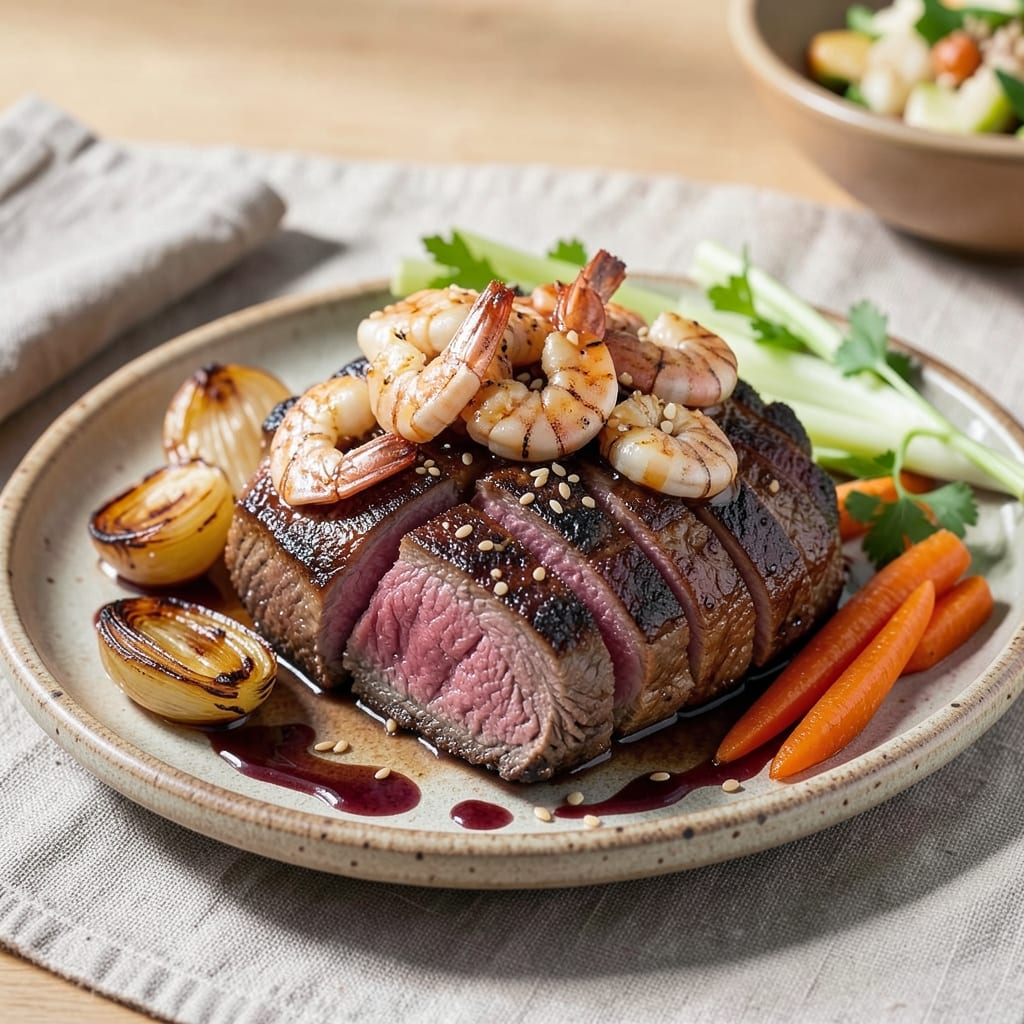
This beef and shrimp stew recipe delivers one-pot convenience with layers of spiced richness that transform simple proteins into a restaurant-worthy meal. The secret lies in searing the beef first to develop deep, caramelized flavors while keeping the shrimp tender—both cook together in a fragrant broth that simmers into perfect harmony. I developed this technique during a particularly busy week when I needed a meal that could handle both hearty and delicate ingredients without fuss.
The beauty of this recipe is its versatility—the beef adds substantial protein and earthy depth, while the shrimp brings a delicate sweetness that balances the dish. We start by browning the beef in batches to avoid crowding the pan, then deglaze with aromatic vegetables and spices before adding the shrimp just before serving. This ensures the shrimp stays succulent and doesn't overcook in the simmering liquid.
What you'll end up with is a rich, deeply flavorful stew where every spoonful delivers tender beef chunks and perfectly cooked shrimp swimming in a velvety broth infused with warm spices. The one-pot method means minimal cleanup, and the recipe comes together in just 45 minutes, making it ideal for weeknight dinners or meal prep. The aroma alone will have everyone gathering at the table.
Serve with crusty bread to soak up every last drop of that fragrant broth, or pair with a simple green salad for a complete meal. This stew is hearty enough for a family dinner but elegant enough for guests—proof that a single pot can create something extraordinary. Let's get cooking!
Ingredients for beef and shrimp
One-pot magic with beef and shrimp—simple ingredients for restaurant-worthy depth.
| Ingredient | Amount | Notes |
|---|---|---|
| Chuck Roast 🥩 | 1 ½ lb | Pre-cubed or cut into 1-inch pieces |
| Large Shrimp 🦐 | 1 lb | Peeled, deveined, tails on |
| Yellow Onion 🧅 | 1 whole | Diced, medium size |
| Carrots 🥕 | 3 medium | Peeled, cut into 1-inch pieces |
| Garlic Cloves 🧄 | 4 cloves | Minced, fresh preferred |
| Celery Stalks 🥬 | 3 whole | Diced, medium size |
| Tomato Paste 🍅 | 2 tbsp | Smooth, no sugar added |
| Dry Red Wine 🍷 | 1 cup | Bold variety like Cabernet |
| Beef Broth 💧 | 2 cups | Low-sodium preferred |
| Vegetable Oil 🫒 | 2 tbsp | For searing |
| Ground Cumin 🌿 | 1 tsp | Freshly ground preferred |
| Ground Coriander 🌿 | 1 tsp | For aromatic depth |
| Paprika 🌶️ | 1 tsp | Smoked variety preferred |
| Bay Leaves 🍃 | 2 whole | Fresh preferred |
| Salt 🧂 | 1 ½ tsp | Kosher or sea salt |
| Black Pepper 🌶️ | ½ tsp | Freshly ground |
The chuck roast is your flavor foundation here. Look for good marbling at the butcher counter—it melts into the broth for incredible richness. I prefer to cube it myself for even cooking, but pre-cubed from Costco or Trader Joe's saves time. For the shrimp, size matters—16-20 count per pound ensures they cook perfectly without rubberiness. Fresh is ideal, but frozen works if you thaw them in cold water first. The onions, carrots, and celery form your aromatic base—called a mirepoix in professional kitchens—so don't skip chopping them small for even flavor distribution.
No red wine? Substitute beef broth with a splash of balsamic vinegar for similar depth. The tomato paste can be skipped if you prefer, but it adds a subtle sweetness that balances the spices. For the spices, Penzeys or Spicewalla have excellent quality, but regular grocery store brands work fine if they're fresh. Need to adjust heat? Swap smoked paprika for regular paprika and add a pinch of cayenne. The bay leaves are non-negotiable—they add that subtle herbal note that makes this dish sing. If you're short on time, frozen shrimp works perfectly, just don't thaw it in warm water.
This stew tastes even better the next day as flavors meld. Store in an airtight container in the fridge for up to 4 days or freeze for 3 months. I always make a double batch—one for dinner, one for lunches. The broth thickens as it cools, so add a splash of water or broth when reheating. For serving, a sprinkle of fresh parsley brightens the dish, and crusty bread is perfect for soaking up every last drop of that fragrant liquid gold.
Why You'll Love This Recipe
- One-Pot Magic: I swear by this—just toss everything in one pot, and the chuck roast and shrimp cook together while the onions caramelize. No fancy techniques, no extra dishes, and the garlic cloves? They dissolve into pure flavor without any effort.
- Deep Umami Bomb: That chuck roast develops the most incredible richness when slow-cooked with shrimp—savory, tender, and just slightly sweet. The carrots add a natural sweetness that balances the briny shrimp, and the garlic? It’s the secret weapon no one talks about enough.
- Meal Prep MVP: Between us, this is my go-to for busy weeks. The leftovers reheat like a dream—juicy beef and perfectly cooked shrimp every time. Plus, it’s hearty enough for lunches but fancy enough to serve at dinner parties when you’re too tired to stress.
- Budget-Friendly Luxury: Honestly, chuck roast is a steal compared to pricier cuts, and shrimp adds that restaurant-worthy touch without breaking the bank. You’re feeding a crowd for less than takeout, and the flavors? They’ll make you feel like you spent hours in the kitchen. (Spoiler: You won’t have.)
Step-by-step instructions for beef and shrimp stew
This one-pot wonder delivers rich, spiced depth with minimal effort and cleanup.
🍳 Step 1: Sear the Chuck Roast and Vegetables
Heat the 2 tablespoons vegetable oil in a large Dutch oven over medium-high heat until shimmering. Add the 1.5 lb chuck roast in a single layer and sear for 4-5 minutes per side until deeply browned. Remove and set aside.
In the same pot, add the 1 whole yellow onion, 3 medium carrots, and 3 whole celery stalks. Cook for 5-6 minutes until the vegetables soften slightly and begin to brown. Stir occasionally to prevent burning. This step builds the stew's foundational flavors through the Maillard reaction.
🍳 Step 2: Develop the Spiced Base
Add the 4 cloves minced garlic, 2 tablespoons tomato paste, 1 teaspoon ground cumin, 1 teaspoon ground coriander, 1 teaspoon paprika, 1.5 teaspoons salt, and 0.5 teaspoon black pepper to the pot. Stir vigorously for 1-2 minutes until the spices release their aromatic oils and the mixture becomes fragrant.
Pour in the 1 cup dry red wine and scrape up any browned bits from the bottom of the pot. Let it simmer for 3-4 minutes until the wine reduces by half. This step deepens the flavor profile and ensures nothing goes to waste.
🥘 Step 3: Build the Stew Foundation
Return the seared chuck roast to the pot. Add the 2 cups beef broth and 2 whole bay leaves, then bring everything to a gentle boil. Once boiling, reduce heat to low and cover partially. Let it simmer for 30 minutes, stirring occasionally to prevent sticking. The stew should develop a rich, reddish color and a tantalizing aroma.
Here's the thing—don't rush this step. The beef needs time to tenderize and release its juices into the broth. If the liquid reduces too quickly, add a splash of water to maintain the proper consistency.
🍳 Step 4: Add Shrimp and Finish Cooking
After 30 minutes, add the 1 lb large shrimp to the stew. Increase heat to medium and cook for 5-7 minutes until the shrimp turn pink and opaque. They're done when they curl slightly and release easily from their shells.
Taste and adjust seasoning if needed. The shrimp should absorb the stew's flavors without overpowering them. If the stew is too thick, add a splash of water or broth to reach your desired consistency.
⏰ Step 5: Rest and Serve
Remove the stew from heat and let it rest for 10 minutes before serving. This resting period allows the flavors to meld and the beef to reabsorb any juices that may have escaped during cooking.
Ladle the stew into bowls, making sure each serving includes both beef and shrimp. Garnish with fresh parsley if desired. Serve immediately with crusty bread to soak up every last bit of that flavorful broth.
Pro Tips For Making Beef And Shrimp
- SEAR THE CHUCK FIRST: Hit the chuck roast with a dry sear in a screaming-hot pan before adding anything else—this locks in juices and builds flavor. I used to skip this and ended up with bland, mushy beef. Two minutes per side, no crowding the pan, even if it looks messy.
- PEEL SHRIMP LAST: Leave the shells on shrimp until you’re ready to add them to the pot—simmering them in broth pulls out sweetness that disappears if you peel first. My grandmother called it "liquid gold," and she wasn’t wrong. Toss shells in a fine-mesh strainer afterward for easy removal.
- DON’T OVERCROWD THE PAN: Shrimp cook in 2-3 minutes—if you dump them all in at once, they’ll steam instead of sear. Split the batch and work in two rounds. I learned this the hard way when my shrimp turned rubbery mid-recipe.
- CARROTS FIRST, ONIONS LAST: Toss sliced carrots in first with the aromatics—they take longer to soften and won’t turn to mush. Add onions and garlic in the last 5 minutes so they caramelize instead of turn to sludge. Sounds weird, but it works: crisp edges on everything.
Perfect pairings for this recipe
Bread Pairings
Crusty sourdough or baguette is my go-to for this stew—their sturdy texture holds up to the rich broth while soaking up every flavorful bite. I like to toast slices lightly before serving to add a satisfying crunch. For extra indulgence, try a ciabatta roll with its airy pockets that trap the stew's aromatic essence. 🥖
Salad Contrasts
A bright arugula salad with lemon vinaigrette cuts through the stew's richness beautifully. Toss 4 cups baby arugula with 2 tbsp olive oil, 1 tbsp lemon juice, and ½ tsp flaky sea salt. Add ¼ cup shaved fennel for a crisp, anise-like contrast. The peppery greens refresh your palate between hearty spoonfuls.
Wine Complements
For red wine lovers, a medium-bodied Cabernet Sauvignon from Napa Valley stands up to the stew's spices while complementing the beef. I recommend Louis M. Martini Cabernet—its dark fruit notes harmonize perfectly. White wine drinkers should try a dry Viognier with its floral and stone fruit undertones that mirror the shrimp's delicate sweetness. 🍷
Beer Pairings
A Belgian-style witbier like Hoegaarden adds a refreshing citrus contrast to the stew's warm spices. The coriander and orange notes in the beer cut through the richness beautifully. For a darker option, try a German Dunkel—its malty sweetness balances the dish's savory depth without overpowering it.
Topping Touches
Finish each bowl with a sprinkle of fresh parsley for vibrant color and freshness. For extra depth, add ½ tsp toasted cumin seeds or a drizzle of high-quality olive oil right before serving. A pinch of crushed red pepper flakes adds subtle heat that enhances the shrimp's natural sweetness. 🌿
Dessert Follow-Up
After a rich stew like this, I love serving dark chocolate-dipped strawberries to cleanse the palate. The bitterness of 70% dark chocolate contrasts perfectly with the stew's savory notes. For something lighter, try lemon sorbet—its bright acidity refreshes without overwhelming the meal's lingering flavors.
Nutrition facts
Frequently asked questions
Can I use frozen shrimp instead of fresh?
Yes, but thaw them properly first! Place frozen shrimp in a sealed bag and submerge in cold water for 10-15 minutes—never use warm water. Drain well before adding to the stew. The key is to keep them cold until they're ready to cook, or they'll release water and dilute your broth.
What if I don't have red wine? Can I substitute?
Use 1 cup beef broth plus 1 tablespoon balsamic vinegar for similar depth. For extra richness, add ½ teaspoon soy sauce. The wine's purpose is to deglaze and add complexity, so these substitutes work beautifully without altering the final flavor profile.
How do I prevent the shrimp from turning rubbery?
Add shrimp only in the last 5-7 minutes of cooking and keep heat at medium. Overcooking is the #1 cause of rubbery shrimp! Also, avoid overcrowding the pot—cook in batches if needed. The shrimp should be pink and opaque, not gray or translucent.
Can I make this stew in a slow cooker?
Yes! Brown the beef and vegetables first, then transfer everything to the slow cooker. Cook on low for 6-7 hours or high for 3-4 hours. Add shrimp only in the last 30 minutes to prevent overcooking. The slow cooker makes this even more convenient for busy weeknights!
What's the best way to reheat leftovers?
Gently reheat on the stovetop over low heat until warmed through (5-7 minutes). If using the microwave, cover with a damp paper towel and heat in 30-second intervals, stirring between each. Never reheat to boiling—this can make the shrimp tough.