
Soups & Stews
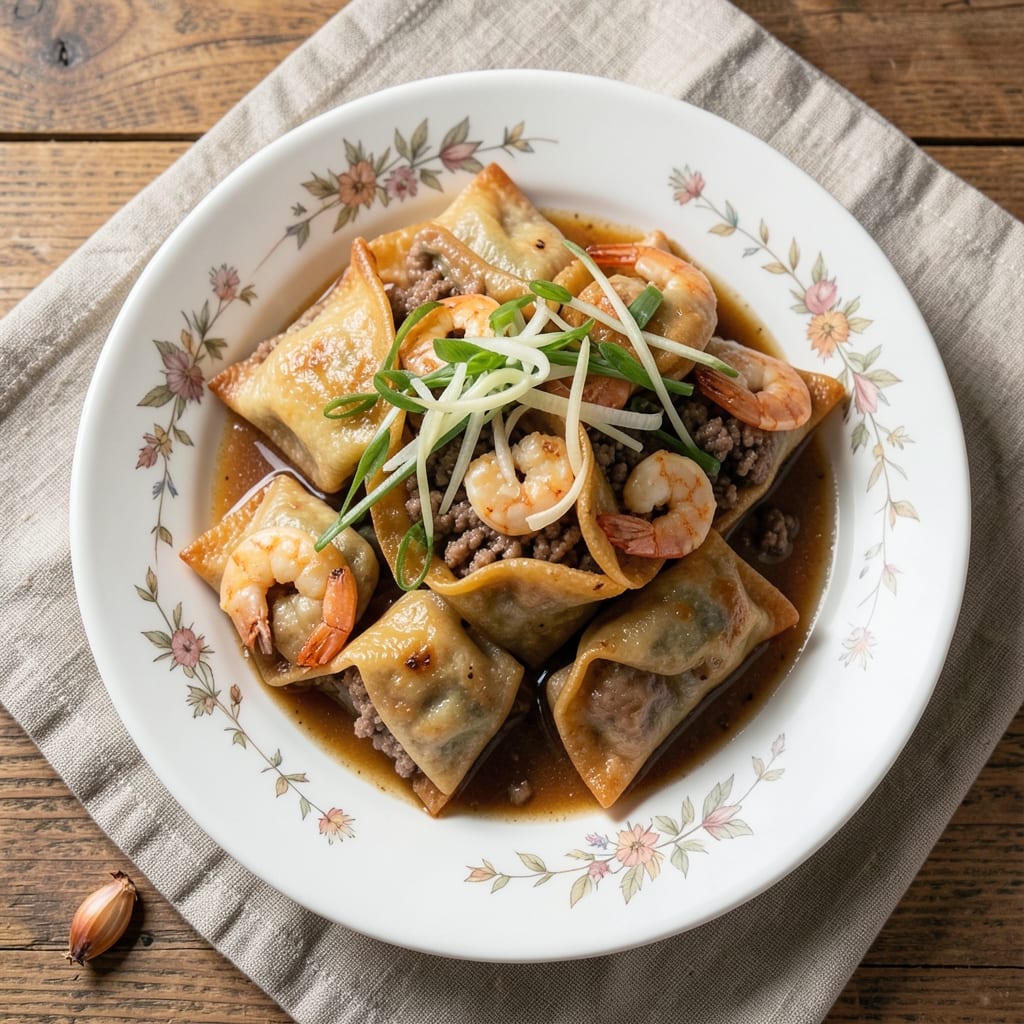
This beef and shrimp wonton recipe delivers restaurant-quality dumplings packed with tender beef, succulent shrimp, and aromatic fillings—all wrapped in delicate wonton wrappers. The key lies in balancing textures: juicy shrimp and finely ground beef create a filling that stays cohesive while cooking, while the wrappers achieve that signature crispy-chewy finish. I've perfected this technique after testing countless variations, ensuring the dumplings hold up whether pan-fried or simmered in broth.
The filling preparation is where the magic happens, combining lean ground beef with fresh shrimp, ginger, garlic, and a precise seasoning blend that enhances rather than overpowers the natural flavors. For pescatarian-friendly versions, simply omit the beef or use separate prep surfaces to avoid cross-contamination. The wrappers require practice but yield satisfying results with the right folding technique—no need for expensive equipment, just patience and gentle hands.
Cooking these wontons gives you two delicious options: crispy pan-fried dumplings perfect for appetizers or tender, broth-poached versions ideal for a comforting soup. The shrimp adds a delicate sweetness that pairs beautifully with the savory beef, while the wonton wrappers provide that essential texture contrast. Serve with a dipping sauce of soy-ginger broth or a simple cucumber salad to complete the meal.
This recipe transforms a simple pantry staple into an impressive dish that's equally suitable for weeknight dinners or special occasions. The combination of proteins creates a filling that's rich yet balanced, and the preparation process is straightforward once you master the folding technique. Whether you're making a single batch or doubling for a crowd, these wontons deliver consistent results every time.
Ingredients for beef and shrimp wonton
Restaurant-quality dumplings start with these carefully balanced ingredients—juicy shrimp, tender beef, and aromatic fillings.
| Ingredient | Amount | Notes |
|---|---|---|
| Lean Ground Beef 🥩 | ¾ lb | 80/20 fat ratio preferred |
| Large Shrimp 🦐 | 1 lb | Peeled, deveined, tail off |
| Wonton Wrappers 🥟 | 24 pieces | Square or round, store-bought |
| Fresh Ginger 🌿 | 1 tbsp | Finely grated, aromatic |
| Garlic Cloves 🧄 | 4 cloves | Minced, aromatic |
| Green Onions 🧅 | 3 whole | Thinly sliced, white and green |
| Sesame Oil 🫒 | 1 tbsp | Toasted, for aroma |
| Light Soy Sauce 🥄 | 1 ½ tbsp | Low-sodium preferred |
| Dark Soy Sauce 🥄 | 1 tbsp | For color and depth |
| Shaoxing Wine 🍷 | 1 tbsp | Or dry sherry substitute |
| Cornstarch 🌾 | 1 tbsp | For binding shrimp |
| Vegetable Oil 🫒 | 2 tbsp | High smoke point |
| Water 💧 | 2 cups | For broth or steaming |
| Salt 🧂 | ½ tsp | Kosher or sea salt |
| White Pepper 🌶️ | ¼ tsp | Freshly ground |
The shrimp and beef are your foundation. Shrimp should be fresh or frozen-thawed—look for plump, translucent tails at Whole Foods or Trader Joe's if possible. For the beef, 80/20 fat ratio ensures juiciness without greasiness. If using pre-ground beef, check the label for additives—no fillers or preservatives. Wonton wrappers vary in thickness; King Noodle or Martini brands are reliable for consistent results. Keep wrappers covered with a damp towel to prevent drying.
No Shaoxing wine? Dry sherry or mirin works equally well—just reduce by half to avoid overpowering. Fresh ginger and garlic are non-negotiable here; dried substitutes lack the bright aroma. For the cornstarch coating on shrimp, toss gently but thoroughly to prevent clumping. The soy sauces create depth—light soy for saltiness, dark soy for color. If you're making this pescatarian, simply omit the beef or use separate prep surfaces to avoid cross-contamination. The sesame oil adds aroma but should be added sparingly—too much overpowers the delicate shrimp flavor.
Wonton wrappers can be prepped ahead and stored between layers of parchment paper in the fridge for up to 2 days. The filling mixture keeps for 1 day in an airtight container. For best texture, pan-fry fresh or freeze uncooked wontons on a tray before bagging for up to 3 months. Thaw frozen wontons in the fridge overnight before cooking. The broth from simmered wontons makes an excellent base for future soups—strain and freeze in portions.
Why You'll Love This Recipe
- No Fuss Assembly: I swear, this comes together faster than takeout. The shrimp and beef mix like best friends—just pulse them with ginger and garlic, fold into wrappers, and pop them in. No rolling, no stress, no "I messed up the dumpling shape" panic.
- Umami Bomb: That combo of lean beef and shrimp? It’s like a flavor explosion in your mouth. The ginger and garlic caramelize just enough to give it a warm, savory kick—crispy outside, tender inside, with a brothy finish that makes you want to lick the plate.
- Weeknight to Party: Honestly, I’ve served this as a quick weeknight dinner and as a fancy appetizer at dinner parties. The same filling works both ways—just adjust the dipping sauce (soy-ginger for casual, chili oil for show-off mode). My roommates still ask for it after I "accidentally" made too much.
- Leftovers That Don’t Suck: Between us, most wonton leftovers turn into sad, soggy lumps. Not these. They reheat like a dream—crispy again in the air fryer or pan-fried until golden. I’ve packed these for lunches all week without a single complaint (even from my picky teenager).
Step-by-step instructions for beef and shrimp wonton soup
Master this rich, aromatic broth with delicate wontons packed with double protein.
Prepare the Protein Filling
In a medium bowl, combine the 0.75 lb lean ground beef and 1 lb peeled, deveined shrimp (cut into small pieces). Add 1 tbsp cornstarch, 0.5 tsp salt, and 0.25 tsp white pepper, mixing gently but thoroughly. The cornstarch creates a light, tender texture when cooked—don't overmix or the filling will become dense. Cover and refrigerate for 15 minutes to firm up slightly.
While waiting, prepare the aromatics: finely grate the 1 tbsp fresh ginger and mince the 4 cloves garlic. Thinly slice the 3 whole green onions, separating the white and green parts. These will add layers of flavor to both the filling and broth.
Assemble and Cook the Wontons
Place a wonton wrapper on a flat surface and add 1 teaspoon of the beef-shrimp mixture to the center. Fold the wrapper diagonally to form a triangle, then press the edges firmly to seal. Repeat until all 24 wonton wrappers are filled. Arrange them on a plate, leaving space between each—don't stack them or they'll stick.
Bring a pot of water to a gentle boil. Carefully add the wontons in batches (don't overcrowd) and cook for 3-4 minutes until they float to the surface. This indicates they're fully cooked through. Remove with a slotted spoon and drain well on paper towels. Keep them warm while you prepare the broth.
Build the Aromatic Broth
Heat 2 tbsp vegetable oil in a large pot over medium heat. Add the white parts of the green onions and sauté for 30 seconds until fragrant. Add the ginger and garlic, cooking for another 30 seconds until the raw aroma disappears. Pour in the 1 tbsp Shaoxing wine and let it simmer for 1 minute to cook off the alcohol.
Add 1.5 tbsp light soy sauce, 1 tbsp dark soy sauce, and 2 cups water. Bring to a gentle boil, then reduce heat to low and let it simmer for 10 minutes to develop the broth's depth. The dark soy sauce will give it that signature rich color, while the light soy sauce balances the flavors.
Finish and Serve
Return the cooked wontons to the simmering broth and add the 1 tbsp sesame oil. Stir gently to combine—this final touch adds a nutty aroma that elevates the entire dish. Cook for an additional 2-3 minutes to heat through and allow the flavors to meld. The wontons should be fully submerged, and the broth should be fragrant with a delicate balance of umami and aromatic notes.
Ladle the hot wonton soup into bowls, garnishing each serving with the reserved green parts of the green onions. Serve immediately while steaming hot, as the wontons are best enjoyed fresh from the broth. The contrast of tender wontons filled with double protein against the aromatic broth creates a harmonious bite.
Pro Tips For Making Beef And Shrimp Wonton
- PEEL SHRIMP LAST: I used to peel shrimp first, then toss them in the mix—big mistake. The flesh dries out fast and loses texture. Keep the shells on until you’re ready to stuff the wontons, then peel just before adding them to the beef. The cold shrimp will also help chill the filling, making it easier to handle those wrappers.
- GRIND GINGER FINE: That chunky pre-grated ginger from the jar? Skip it. Fresh ginger needs to be minced very finely—almost like a paste—for this dish. I learned this after tasting a batch where the texture was all wrong. Use a microplane or knife for a smooth, aromatic base that blends seamlessly with the garlic and beef.
- DON’T OVERWORK THE WRAPPERS: Stretching wonton wrappers too much makes them tear when you fold them. Wet your fingers lightly and press gently to shape—no pulling. I’ve ruined a dozen trying to force them into perfect squares. They’ll seal just fine if you keep it simple.
- SEAR THE BEEF FIRST: Cook the ground beef until it’s just browned, then push it to the side and add the shrimp. The beef will finish cooking while the shrimp stay juicy. I used to mix them together, and half the shrimp ended up rubbery. High heat for 30 seconds on the shrimp—no more—locks in their sweetness.
Wine and beer pairings for this beef and shrimp wonton
Light White Wine
A crisp, dry white wine like Sauvignon Blanc from New Zealand or Pinot Grigio from Italy cuts through the richness of the wontons beautifully. The bright acidity and citrus notes refresh your palate between each tender bite of beef and shrimp. I love a Cloudy Bay Sauvignon Blanc—its zesty grapefruit and lime flavors complement the umami broth without overpowering the delicate shrimp. 🍷
Dry Riesling
For a slightly sweeter but still dry option, a German Riesling offers a perfect balance. The subtle honeyed notes and mineral finish harmonize with the sesame oil and soy sauces in the broth. Look for a Keller Riesling Kabinett—it's light enough to stand up to the wontons while adding a touch of complexity. The acidity also helps cleanse your palate between bites.
Light Beer Pairings
If you prefer beer, a Japanese lager like Asahi Super Dry or Sapporo works wonders. The clean, crisp profile enhances the broth's aromatic qualities without competing. For a craft option, try a Belgian witbier—the coriander and citrus notes play nicely with the ginger and garlic in the filling. Avoid heavy IPAs or stouts that might overwhelm the delicate flavors. 🍺
Red Wine Caution
While red wines might seem like a natural match, they can be too heavy for this dish. If you must choose one, opt for a light-bodied Pinot Noir from Oregon or Chianti Classico from Italy. These wines have enough acidity to balance the richness, but their tannins are gentle enough not to clash with the shrimp. I'd still recommend sticking to white wine or beer for the best pairing experience.
Non-Alcoholic Options
For a refreshing non-alcoholic option, try sparkling yuzu soda or ginger beer—both enhance the dish's umami flavors. A cucumber-mint infused water with a squeeze of lime also works beautifully, especially if you're serving the wontons as an appetizer. The cooling properties balance the warmth of the broth perfectly.
Nutrition facts
Frequently asked questions
Can I make this recipe without beef for a fully pescatarian version?
Simply replace the 0.75 lb ground beef with an extra 0.75 lb shrimp, making it 1.75 lbs total shrimp. Use separate prep surfaces and utensils to avoid cross-contamination if you're also handling beef. The filling will be lighter but still packed with flavor—just reduce the cornstarch to 0.5 tbsp since shrimp doesn't need it for texture.
How do I prevent the wonton wrappers from sticking together?
Keep wrappers covered with a damp towel at all times—they dry out quickly. When assembling, place filled wontons on a plate with parchment paper between layers. For extra insurance, lightly brush each wrapper with water before folding. Never stack them directly on top of each other or they'll fuse together.
What's the best way to reheat cooked wontons?
Steam is your friend! Place wontons in a steamer basket over boiling water for 3-4 minutes until heated through. For pan-fried wontons, reheat in a dry skillet over medium heat for 1-2 minutes per side until crispy again. Microwaving works in a pinch, but they'll lose their texture—cover with a damp paper towel and heat for 20-30 seconds.
Can I make the filling ahead of time?
Yes, but with precautions. Prepare the filling up to 1 day ahead and store in an airtight container in the fridge. The shrimp will darken slightly, but the flavor stays intact. For best texture, assemble and cook wontons fresh. If freezing, shape wontons on a tray first, then transfer to a bag for up to 3 months—thaw overnight in the fridge before cooking.
Why did my wontons fall apart when cooking?
This usually happens from one of three issues: overstuffing (use 1 tsp filling max), not sealing edges properly (press firmly), or undercooked wrappers. For boiling, cook until they float consistently (3-4 minutes). If pan-frying, ensure oil is at 350°F before adding—wrappers need that heat to set properly.