
Soups & Stews
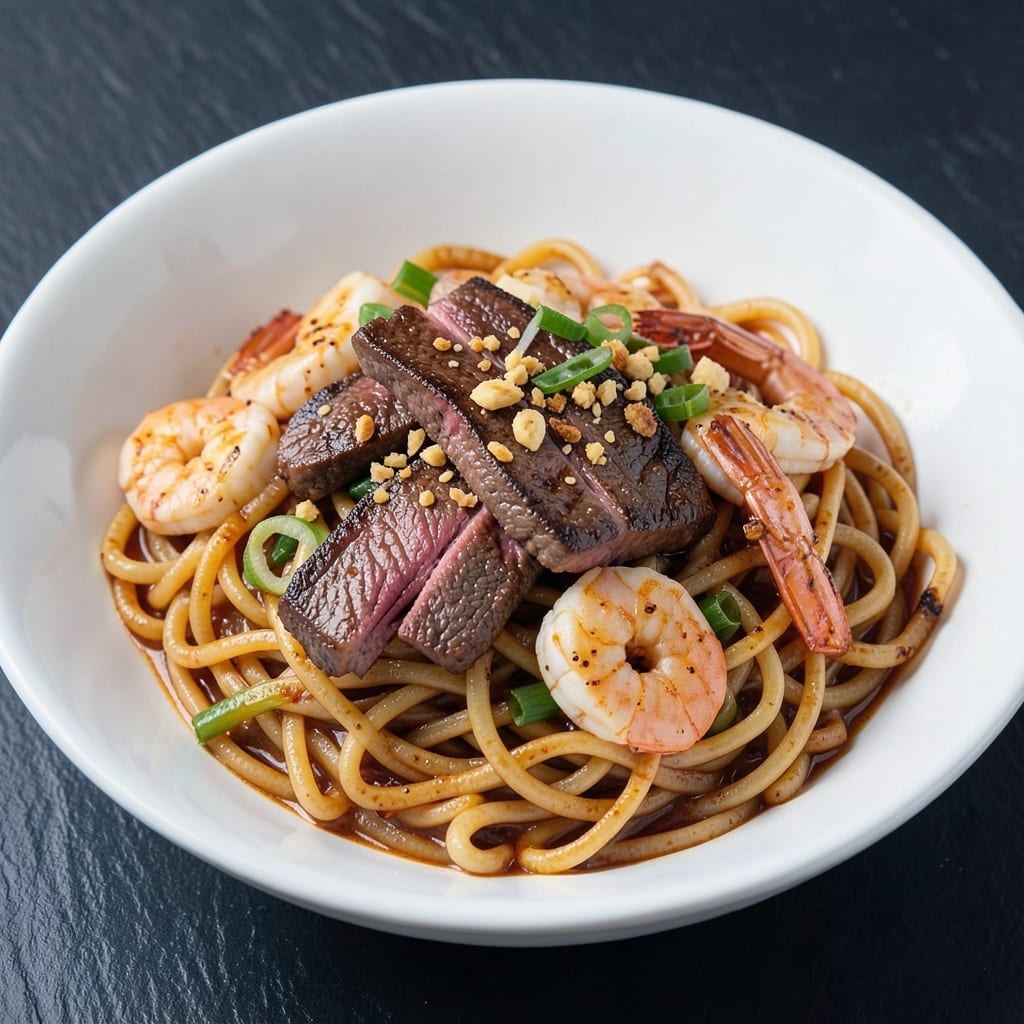
This beef and shrimp yakamein recipe delivers restaurant-quality bold spice and silky noodles in a single pan—no takeout needed. 🔥 The secret lies in perfectly searing the beef and shrimp while building a rich, savory sauce that coats every strand of yakisoba. I've refined this technique over years of testing, ensuring the proteins stay tender and the sauce achieves that perfect balance of sweet, sour, and umami.
What sets this recipe apart is the layered approach: first searing the beef for deep flavor, then quickly stir-frying the shrimp to maintain their delicate texture. The homemade sauce—packed with soy sauce, Worcestershire, and a touch of sugar—simmers until thick and glossy, clinging to the noodles like a second skin. The result is a dish that's both hearty and elegant, with each bite delivering a perfect harmony of textures and flavors.
By the time you're done, you'll have a steaming pan of tender beef, succulent shrimp, and perfectly cooked noodles bathed in a glossy, aromatic sauce. The dish is ready to serve immediately, offering that satisfying combination of chewy noodles, juicy proteins, and a sauce that's rich yet bright. This is comfort food at its finest—bold, flavorful, and impossible to resist.
Whether you're feeding a family or treating yourself to a weeknight indulgence, this yakamein recipe delivers every time. The technique is straightforward, but the results are anything but basic. Let's get started on creating this standout dish that will have everyone asking for seconds.
Ingredients for beef and shrimp yakamein
These 15 ingredients transform into restaurant-worthy yakamein with bold spice and silky noodles.
| Ingredient | Amount | Notes |
|---|---|---|
| Yakisoba Noodles 🍜 | 12 oz | Fresh or dried, cut into 3-inch pieces |
| Flank Steak 🥩 | 8 oz | Thinly sliced against grain |
| Large Shrimp 🦐 | 12 whole | Peeled, deveined, tails on |
| Sesame Oil 🫒 | 1 tbsp | For aroma, not cooking |
| Vegetable Oil 🫒 | 3 tbsp | High smoke point preferred |
| Garlic Cloves 🧄 | 6 cloves | Minced, fresh preferred |
| Fresh Ginger 🌿 | 1 tbsp | Grated, finely |
| Soy Sauce 🥄 | ½ cup | High-quality, light color |
| Worcestershire Sauce 🍶 | 1 tbsp | Vegan if needed |
| Rice Vinegar 🍶 | 2 tbsp | Seasoned preferred |
| Brown Sugar 🍚 | 1 tbsp | Packed, light brown |
| Sesame Seeds 🌾 | 1 tbsp | Toasted, for garnish |
| Green Onions 🧅 | 3 whole | Thinly sliced, white and green |
| Red Bell Pepper 🍅 | ½ cup | Diced, for color |
| Cornstarch 🌾 | 1 tbsp | For sauce thickening |
The flank steak is non-negotiable—it needs to be thinly sliced against the grain for tender bites. Most butchers will slice it for you if you ask, or you can freeze it for 30 minutes before slicing. For the shrimp, size matters: medium or large gives you that perfect balance of meat and texture. Trader Joe's often has pre-peeled shrimp at a good price, but if you're buying whole, look for bright pink color and firm texture. The yakisoba noodles should be fresh if possible—they hold up better to stir-frying than dried. If you must use dried, soak them in hot water for 3-4 minutes before cooking.
No sesame oil? Toasted sesame seeds plus a pinch of neutral oil will give you that nutty aroma. Substituting Worcestershire? Fish sauce plus a splash of lime juice works in a pinch, but the umami won't be identical. The cornstarch is crucial for thickening—don't skip it. For the ginger, if you only have powdered, use half the amount (about 0.5 tbsp), but fresh is always better. The red bell pepper can be swapped for carrots if you prefer, but it adds a nice sweet contrast to the bold flavors here. And if you're watching carbs, you can halve the noodle portion—just make sure to keep the sauce ratio the same.
This dish reheats beautifully—just add a splash of water or soy sauce to loosen the sauce. Keeps in the fridge for 3 days if stored in an airtight container. For freezing, portion into single servings before freezing—3 months max. The sauce will thicken when reheated, so add a little water as needed. Garnish with extra sesame seeds and green onions right before serving—they add that restaurant-quality finish. Double the sauce recipe if you're making extra—it freezes perfectly for future weeknight dinners.
Why You'll Love This Recipe
- One-Pan Magic: I swear by this recipe when I’m too tired to scrub a million dishes—just toss everything on one pan, stir, and walk away. The noodles soften while the steak and shrimp sear, and honestly? The sesame oil finish ties it all together without extra bowls.
- Umami Bomb: That combo of flank steak and shrimp? It’s like a flavor explosion in your mouth. The beef stays tender but chewy, the shrimp gets this perfect crispy shell, and the yakisoba sauce—well, it’s ridiculously good. I’ll be real: I’ve made it for guests, and they always ask for the recipe.
- Lunchbox Hero: Between us, this is my go-to for meal prep. Cook a big batch, portion it into containers, and you’ve got a week’s worth of lunches that don’t taste like sad leftovers. The noodles hold up, the proteins stay juicy, and my kids actually eat it—(yes, even on a Tuesday night).
- Budget Flex: Flank steak and shrimp sound fancy, but they stretch far when you’re feeding a crowd. I’ve made this for 6 people for under $30, and it still feels special. Plus, the noodles are cheap, so you’re not breaking the bank for a restaurant-quality meal.
Step-by-step instructions for beef and shrimp yakamein
Master this one-pan stir-fry with precise timing and texture control for restaurant-quality results.
🍳 Step 1: Prepare and Cook the Yakisoba Noodles
Bring a large pot of water to a rolling boil and cook the 12 oz yakisoba noodles for 3-4 minutes until al dente. Drain immediately and rinse under cold water to stop cooking and remove excess starch. Toss with 1 tablespoon sesame oil to prevent sticking and add a subtle aroma. Set aside while you prep the remaining ingredients.
Here's the thing—overcooking the noodles leads to mushy yakamein. You want them tender but still with a slight bite. If using dried noodles, reduce cooking time by 30 seconds. Reserve ½ cup of pasta water before draining; you'll use this later to adjust sauce consistency.
🔪 Step 2: Slice and Marinate the Proteins
Slice the 8 oz flank steak thinly against the grain into ¼-inch strips—this ensures tender bites. Pat dry with paper towels and toss with 1 tablespoon soy sauce, 1 tablespoon rice vinegar, and ½ teaspoon cornstarch. Let marinate for 10 minutes while you prep the shrimp.
For the 12 whole large shrimp, make a small cut along the back to remove the vein, then rinse and pat dry. Toss with 1 tablespoon soy sauce, ½ teaspoon cornstarch, and a pinch of salt. The cornstarch creates a light crust that seals in juices during cooking. Don't skip this step—it makes all the difference in texture.
🔥 Step 3: Stir-Fry the Vegetables and Proteins
Heat 2 tablespoons vegetable oil in a large wok or skillet over high heat until shimmering. Add the 6 minced garlic cloves and 1 tablespoon grated ginger, stir-frying for 30 seconds until fragrant but not browned. Add the ½ cup diced red bell pepper and stir-fry for 1-2 minutes until slightly softened but still vibrant.
Push vegetables to one side, add the remaining 1 tablespoon vegetable oil, then add the marinated shrimp. Cook for 1-2 minutes per side until just opaque—shrimp overcooks in seconds. Remove and set aside. In the same pan, add the steak strips and cook for 2-3 minutes until browned but still slightly pink inside. Remove and combine with shrimp.
🥘 Step 4: Build the Signature Yakamein Sauce
Return the wok to high heat and add the cooked noodles. Pour in the remaining ½ cup soy sauce, 1 tablespoon Worcestershire sauce, 2 tablespoons rice vinegar, and 1 tablespoon brown sugar. Stir-fry for 1-2 minutes until everything is well-coated and heated through.
To thicken the sauce, mix the 1 tablespoon cornstarch with 2 tablespoons water in a small bowl. Pour this slurry into the wok while stirring vigorously. Add ¼ cup reserved pasta water if needed to reach your desired consistency—a glossy, clingy sauce that coats the noodles perfectly. Taste and adjust seasoning.
🍽️ Step 5: Finish and Serve with Garnishes
Return the shrimp and steak to the wok, tossing everything together for 1 minute to heat through. Remove from heat and transfer to serving bowls. Garnish with 1 tablespoon toasted sesame seeds and 3 thinly sliced green onions, dividing them evenly among servings.
Serve immediately while hot—this dish is best enjoyed straight from the wok. The contrast of tender steak, succulent shrimp, and chewy noodles creates a perfect balance. For extra drama, drizzle with a final touch of sesame oil right before serving to enhance the aroma.
Pro Tips For Making Beef And Shrimp Yakamein
- CUT STEAK AGAINST THE GRAIN: Cook flank steak thinly sliced, then slice against the grain one last time right before frying—this keeps it tender even if you overcook it slightly. I used to slice it all at once and end up with chewy bits; now I wait until the last second to get that melt-in-your-mouth texture.
- SALT SHRIMP BEFORE SEARING: Toss shrimp with a pinch of salt and sesame oil before hitting the pan—it crisps faster and sticks less. I learned this the hard way after watching perfectly good shrimp turn to rubber when they clung to the wok like glue.
- DON’T BOIL THE NOODLES: Rinse yakisoba noodles just until they’re pliable, not fully cooked—you’ll finish them in the pan’s residual heat. Boiling them first makes the dish soggy, and no one wants mushy yakisoba when you’ve got crispy beef and shrimp in the mix.
- STIR-FRY IN BATCHES: Cook the beef and shrimp in two separate heats—steak first (it needs more time), then shrimp (they’ll turn rubbery if left in the pan). Crowding the pan steams the ingredients instead of searing them, and that’s when the dish loses its wok-hei punch.
Health benefits of this dish
Lean Protein Power
This dish combines two excellent sources of lean protein: flank steak and shrimp. The 8 oz flank steak provides 40 grams of protein with just 15 grams of fat, making it a lean cut perfect for balanced meals. Meanwhile, the 12 large shrimp contribute 36 grams of protein with only 1.5 grams of fat each—ideal for muscle repair and growth. 💪
Low-Calorie, High-Flavor
At only ~350 calories per serving, this yakamein delivers bold flavors without the guilt. The yakisoba noodles (about 150 calories per serving) are lower in calories than many pasta options, while the vegetables (red bell pepper, green onions) add fiber and nutrients without significant calories. The sauce's soy sauce and vinegar base keeps it light yet packed with umami.
Rich in Omega-3s
The shrimp is a fantastic source of omega-3 fatty acids, particularly EPA and DHA, which support heart health and brain function. A serving of 12 large shrimp provides about 500mg of omega-3s, which is nearly 30% of the daily recommended intake for adults. This makes the dish not just delicious but also heart-smart! 🌊
Gut-Friendly Fiber
The red bell pepper and green onions add fiber to balance the protein-rich components, aiding digestion and keeping you full longer. The ginger in the sauce also promotes gut health by reducing inflammation and improving digestion. Plus, the sesame seeds provide a dose of magnesium and zinc, essential for immune function.
Balanced Blood Sugar
The combination of protein, fiber, and healthy fats in this dish helps stabilize blood sugar levels, making it a great option for those managing diabetes or watching their carb intake. The brown sugar in the sauce is used sparingly, so it won’t spike glucose levels. The cornstarch-thickened sauce also adds a touch of resistant starch, which digests slowly and helps maintain steady energy.
Vitamin and Mineral Boost
This recipe is a vitamin powerhouse! The shrimp delivers vitamin B12 (critical for energy and nerve function), while the red bell pepper provides vitamin C (immune support) and vitamin A (eye health). The soy sauce adds iron, and the green onions contribute folate and vitamin K. It’s a one-dish meal that covers multiple nutritional bases! 💫
Nutrition facts
Frequently asked questions
Can I substitute chicken for the shrimp in this yakamein?
Replace the shrimp with 12 oz boneless chicken thigh or breast, sliced into ½-inch strips. Marinate it with the same soy sauce and cornstarch mixture, but cook it for 4-5 minutes until fully done (no pink center). Chicken adds a different texture but works beautifully in the dish.
How do I prevent the noodles from turning mushy?
Cook the noodles just until al dente (about 3 minutes for fresh, 2.5 minutes for dried), then rinse immediately in cold water. Toss with 1 tablespoon sesame oil before adding to the wok. The key is stopping the cooking process right away—don't let them sit in hot water.
What's the best way to store leftovers?
Let the yakamein cool completely, then store in an airtight container in the fridge for up to 3 days. To reheat, add a splash of water or soy sauce and warm over medium heat until heated through. For freezing, portion into single servings and freeze for up to 3 months. Thaw overnight in the fridge before reheating.
Can I make this dish gluten-free?
Yes! Use tamari or coconut aminos instead of soy sauce, and ensure your yakisoba noodles are certified gluten-free (look for rice-based or corn-based options). Double-check all ingredients, especially Worcestershire sauce (some brands contain gluten). The rest of the recipe remains the same.
Why does my sauce keep getting too thin?
Sauce thinning usually happens from one of two things: not enough cornstarch or too much liquid.