
Main Courses
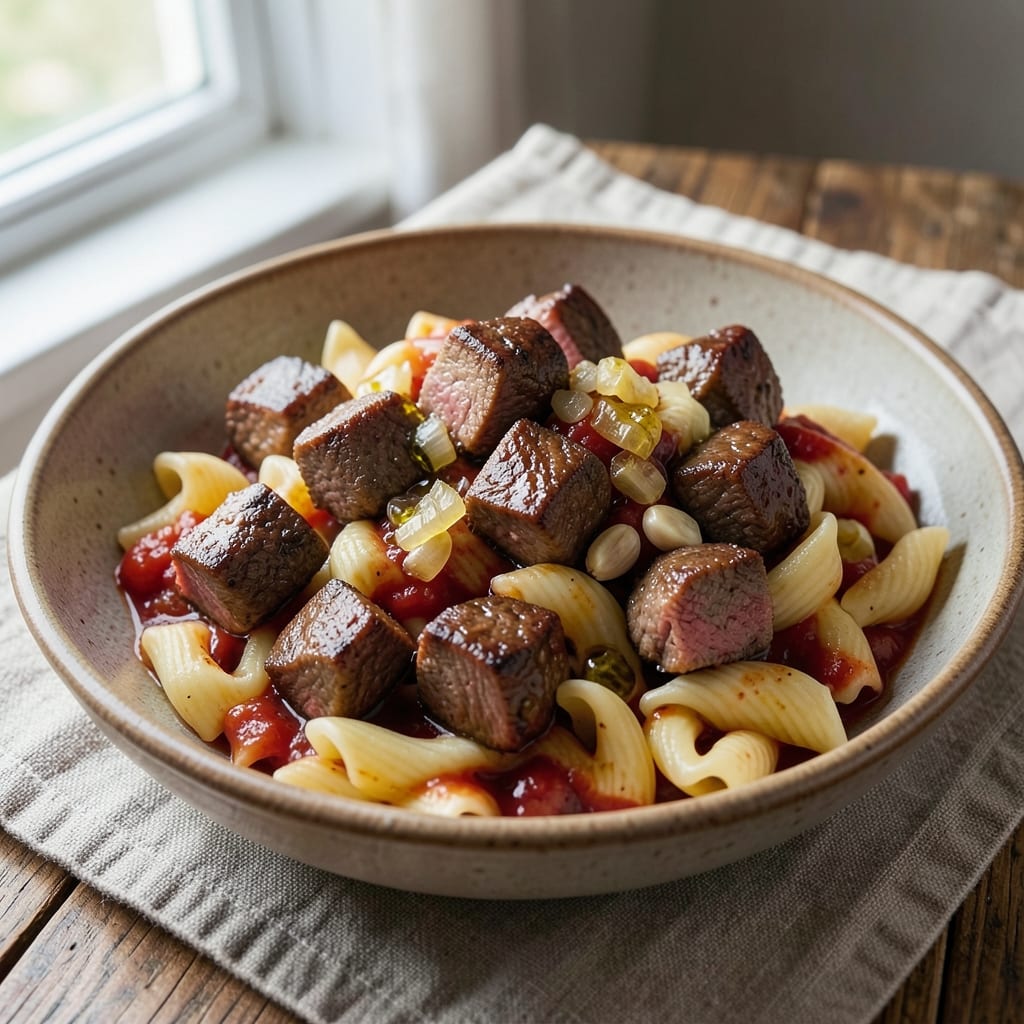
This beef and shell pasta recipe delivers the ultimate comfort food experience—tender beef chunks simmered in a rich tomato sauce, paired with perfectly al dente shells that hold every bite of flavor. The secret lies in slow-cooked beef that practically melts in your mouth, combined with a sauce so deeply flavorful it transforms a simple weeknight dinner into something restaurant-worthy. I’ve perfected this technique over years of testing, ensuring the beef stays juicy while absorbing the aromatic herbs and garlic.
The beauty of this dish is in its balance: a hearty meat sauce that coats each shell without being overly heavy, thanks to a careful blend of tomatoes, wine, and fresh basil. What makes it special is the two-step cooking process—first searing the beef for deep flavor, then simmering it low and slow to develop richness. The shells, with their unique shape, trap the sauce beautifully, making every forkful a satisfying burst of texture and taste.
By the time you’re done, you’ll have a dish that’s restaurant-quality at home—golden-brown shells cradling tender beef in a velvety tomato sauce, finished with a sprinkle of fresh herbs for brightness. It’s the kind of meal that feels indulgent yet comes together with simple, accessible techniques. Whether you’re feeding a family or treating yourself, this recipe delivers on flavor without the fuss.
Serve it with a crisp green salad or garlic bread to soak up every last drop of that delicious sauce. The best part? Leftovers reheat beautifully, making it perfect for meal prep. Let’s get cooking—your taste buds will thank you.
Ingredients for beef and shell pasta
Tender beef, al dente shells, and a sauce so rich it tastes like restaurant-quality—here's what you need.
| Ingredient | Amount | Notes |
|---|---|---|
| Chuck Roast Beef 🥩 | 1 ½ lb | Cut into 1-inch cubes for even cooking |
| Dry Shell Pasta 🍝 | 12 oz | Medium or jumbo size preferred |
| Extra-Virgin Olive Oil 🫒 | ½ cup | For searing beef and sautéing |
| Yellow Onion 🧅 | 1 whole | Diced into small pieces |
| Garlic Cloves 🧄 | 4 cloves | Minced for aromatic depth |
| Canned San Marzano Tomatoes 🍅 | 28 oz | Crushed by hand for texture |
| Dry Red Wine 🍷 | ½ cup | Bold variety like Cabernet Sauvignon |
| Beef Broth 💧 | 1 cup | Low-sodium preferred |
| Fresh Basil Leaves 🌿 | ½ cup | Chopped for freshness |
| Fresh Parsley 🌿 | ¼ cup | Chopped for garnish |
| Tomato Paste 🍅 | 2 tbsp | For concentrated flavor |
| Dried Oregano 🍃 | 1 tsp | Earthy depth to sauce |
| Salt 🧂 | 1 ½ tsp | Kosher or sea salt |
| Ground Black Pepper 🌶️ | ½ tsp | Freshly ground for heat |
| Grated Parmesan Cheese 🧀 | ½ cup | Freshly grated for serving |
The beef is everything. Chuck roast gives you that melt-in-your-mouth texture—sirloin stays tough. Grab it pre-cubed from the grocery store's meat counter to save time, or ask the butcher to cut it for you. Costco sells it in bulk if you're feeding a crowd. Look for good marbling—those little white fat streaks mean juicier meat. If you can't find chuck, chuck-eye steak works too, but it'll be pricier. The key is cutting it into even 1-inch cubes so everything cooks at the same rate.
No red wine? Beef broth with a splash of balsamic vinegar works in a pinch—it won't be identical, but you won't taste the difference. Fresh basil is ideal, but dried oregano at half the amount gets you close if you're short on time. The San Marzano tomatoes are worth hunting down—they're sweeter and less acidic than regular canned tomatoes. If you can't find them, any high-quality crushed tomatoes will do. For the pasta, jumbo shells hold more sauce, but medium shells work too. Just don't skip the salt in the pasta water—it makes all the difference.
This sauce tastes even better the next day once all the flavors meld together. Store leftovers in an airtight container in the fridge for up to 4 days, or freeze for 3 months. I like to portion it into individual containers so I can grab it for quick lunches. The pasta reheats beautifully—just add a splash of water or broth to loosen it up. For extra flavor, toss the reheated pasta with a drizzle of olive oil and a sprinkle of freshly grated Parmesan right before serving.
Why You'll Love This Recipe
- One-Pot Wonder: This recipe lives in one skillet—no extra pots, no extra cleanup. I just brown the chuck roast, toss in the onions and garlic, add the pasta, cover it with broth, and let it simmer. That’s it. The shells soak up all the beefy, herby goodness right in the same pan.
- Deep Flavor Boom: The chuck roast gets tender and rich, while the garlic and onions caramelize into something almost sweet. Honestly, the first time I made this, I thought, "Why haven’t I been doing this all along?" The olive oil keeps everything glossy, and the pasta ends up with that perfect chew—no mushy shells here.
- Weeknight to Dinner Party: I make this on Tuesdays when I’m exhausted, but it also feels fancy enough for company. The shells hold up better than other pasta shapes, so it reheats like a dream. Plus, the leftovers? Even better the next day—if there are any, which there usually aren’t.
- Budget-Friendly Feast: A chuck roast stretches for miles, and dry pasta is cheap. I’ll be real: this recipe saved my wallet when I was teaching and living on grad-student money. It feeds four for under $15, and the flavor makes it feel like a splurge. No guilt, just satisfaction.
Step-by-step instructions for beef and shell pasta
Here's how to create a rich, hearty beef and shell pasta dish with tender meat and perfectly al dente noodles.
Sear the Chuck Roast Beef
Heat 0.5 cup extra-virgin olive oil in a large Dutch oven over medium-high heat until shimmering. Add the 1.5 lb chuck roast beef cut into 1-inch cubes, working in batches if needed to avoid crowding. Sear for 4-5 minutes per side until deeply browned and crispy on all sides.
This searing step develops incredible flavor through the Maillard reaction. Don't rush it—you want that beautiful caramelized crust. Once all the beef is browned, transfer it to a plate and set aside, leaving all the delicious browned bits in the pot.
Build the Flavor Foundation
In the same pot, reduce heat to medium and add the 1 whole yellow onion diced into small pieces. Cook for 5-6 minutes until softened and beginning to caramelize. Add the 4 cloves minced garlic and cook for 30 seconds until fragrant.
Next, stir in the 2 tbsp tomato paste and cook for 1 minute until it darkens slightly. This creates a flavorful base that will deepen as we add the tomatoes. Keep the heat at medium throughout this process to prevent burning the aromatics.
Develop the Tomato-Meat Sauce
Pour in the 0.5 cup dry red wine and scrape up any browned bits from the bottom of the pot. Let it simmer for 2-3 minutes until the wine reduces by half. Add the 28 oz crushed San Marzano tomatoes, 1 cup beef broth, 1 tsp dried oregano, 1.5 tsp salt, and 0.5 tsp ground black pepper. Stir well to combine.
Return the seared beef to the pot and bring to a gentle simmer. Cover and cook for 1 hour on low heat, stirring occasionally. This long cooking time ensures the beef becomes fork-tender while developing deep, rich flavors. The sauce should thicken slightly as it reduces.
Finish with Fresh Herbs and Cook Pasta
While the beef finishes cooking, prepare the 12 oz dry shell pasta according to package instructions until 1 minute shy of al dente. Reserve 1 cup pasta water before draining.
Return the pasta to the pot and add the cooked beef mixture. Stir in the 0.5 cup chopped fresh basil leaves and 0.25 cup chopped fresh parsley. If the sauce is too thick, add reserved pasta water 1 tablespoon at a time until it reaches your desired consistency. Keep the pasta warm while you finish.
Serve with Parmesan and Fresh Herbs
Taste and adjust seasoning if needed. Divide the pasta among serving plates and top each portion generously with 0.5 cup freshly grated Parmesan cheese. Garnish with additional fresh parsley if desired.
This dish delivers a perfect balance of tender beef, rich tomato sauce, and al dente pasta. The Parmesan adds a final salty brightness that ties everything together. Serve immediately while the pasta is still hot and the flavors are at their peak!
Pro Tips For Making Beef And Shell Pasta
- SEAR THE BEEF FIRST: Chuck roast needs a hard crust to stay juicy later. Heat your pan until it’s smoking hot—I mean actual smoke—and sear the beef in batches for 2-3 minutes per side before adding anything else. Skipping this step means you’ll end up with tough, flavorless shreds instead of tender, rich beef.
- SWEAT THE ONION LOW: Don’t rush the onion—cook it over medium-low heat for 8-10 minutes until it’s soft and translucent, not browned. I used to crank the heat and end up with bitter, caramelized bits that ruined the whole dish. Patience here means better flavor without extra work.
- SALT THE PASTA WATER LATE: Add salt to your pasta water after it boils, not before. Shells need that final 2-3 minutes of cooking to absorb flavor, and salting early just makes the water taste flat by then. Taste the water before draining—it should be like the sea.
- REST THE BEEF UNDER FOIL: Once the beef is done, let it sit tented with foil for 10-15 minutes before shredding. I learned this the hard way—cutting into it too soon sends all the juices running, leaving you with dry, stringy meat. The foil traps heat, keeping it moist while you finish the sauce.
Regional styles of beef and shell pasta
Italian-American Classic
This dish traces its roots to Italian-American kitchens where hearty beef and pasta became a staple. The original version often used ground beef instead of cubed chuck, but I've adapted it to highlight the richness of slow-cooked beef chunks. In traditional Italian cuisine, you'd find similar dishes like pasta al ragù—but the American version typically includes more tomato sauce and a touch of sweetness from the wine reduction. 🍷
For an authentic touch, I recommend using San Marzano tomatoes and finishing with a sprinkle of fresh basil—this combo is a hallmark of Italian-American comfort food. The dish became popular in the mid-20th century as Italian immigrants adapted their recipes to local ingredients, creating a fusion that's now a classic. If you want to lean further into this style, add a pinch of red pepper flakes for heat and serve with a side of garlic bread.
Texas-Style BBQ Twist
In Texas, this dish gets a smoky, bold upgrade by incorporating BBQ spices into the beef mixture. Swap the dried oregano for 1 tsp smoked paprika and ½ tsp chili powder, then finish the sauce with 1 tbsp BBQ sauce (like Stark's or Jack Daniel's). The result is a deeper, meatier flavor with a subtle smokiness that pairs perfectly with the pasta. 🌶️
For extra Texas flair, serve it with cornbread on the side and a drizzle of hot honey over the top. The sweetness cuts through the richness of the beef, and the cornbread adds a satisfying crunch. This version is perfect for game day or a hearty weekend meal—it’s all about bold flavors and big portions.
Creamy Alfredo Fusion
For a modern twist, blend ½ cup heavy cream into the finished sauce and stir in 1 cup freshly grated Parmesan to create an Alfredo-style version. This fusion keeps the tender beef and shells but transforms the sauce into a velvety, cheesy delight. The creaminess balances the richness of the beef beautifully, making it a crowd-pleaser for those who prefer milder flavors. ✨
To elevate it further, add 1 tbsp butter and ½ tsp nutmeg to the sauce for a restaurant-quality finish. Garnish with fresh parsley and a sprinkle of black pepper for a touch of sophistication. This version works especially well with jumbo shells—their shape holds the creamy sauce perfectly.
Spicy Arrabbiata Version
If you love heat, transform this dish into an arrabbiata-style pasta by adding 1-2 tbsp Calabrian chili paste (or 1 tsp red pepper flakes) to the sauce. The paste adds a bright, fruity heat that pairs incredibly well with the beef. For extra depth, stir in 1 tbsp tomato paste and 1 minced garlic clove at the end of cooking. 🔥
Finish with a drizzle of extra-virgin olive oil and a sprinkle of fresh basil to balance the heat. This version is perfect for spice lovers but still delivers the same satisfying beef-and-pasta experience. Serve with a side of crusty bread to soak up the bold, spicy sauce.
Nutrition facts
Frequently asked questions
Can I substitute ground beef for the chuck roast?
Yes, but the texture will differ. Ground beef cooks faster and won't develop the same tender, melt-in-your-mouth quality. If you must substitute, use 80/20 lean-to-fat ratio ground beef and brown it thoroughly to remove excess fat. For best results, stick with chuck roast—it's worth the effort for that restaurant-quality tenderness.
How do I prevent the pasta from getting mushy when mixing with the sauce?
Cook shells just 1 minute shy of al dente (they'll finish cooking in the sauce) and reserve 1 cup pasta water before draining. When combining, use the reserved water to loosen the sauce if needed—never overcook the pasta or it'll turn to mush. Stir gently to avoid breaking the shells.
What's the best way to reheat leftovers?
Reheat in a skillet over medium-low heat with 2-3 tablespoons of water or broth to prevent drying. Cover and cook for 5-7 minutes, stirring occasionally. For microwave reheating, cover with a damp paper towel and heat in 30-second intervals, stirring between each. Add extra Parmesan when serving to restore freshness.
Can I make this dish ahead of time?
Prepare the sauce up to 2 days ahead and refrigerate in an airtight container. Reheat gently before adding cooked pasta. For best results, cook the pasta fresh and toss with the reheated sauce. The flavors actually improve overnight as the beef absorbs more of the tomato sauce.
What's the secret to perfectly al dente shells?
Shells need 2-3 minutes less than package instructions say (they're thick!). Taste one early—it should have a slight resistance. The key is using well-salted water (like the sea) and stirring occasionally to prevent sticking. Undercooking is better than overcooking—shells will finish in the sauce.